Understanding Water Damage
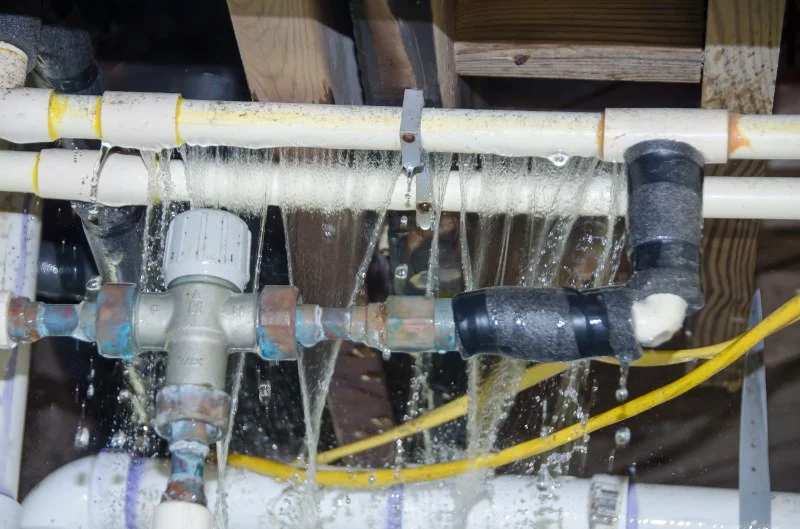
Water damage can have devastating effects on your home, leading to expensive repairs, mold growth, and structural issues. Most water damage is caused by issues such as leaking pipes, faulty plumbing systems, or appliances that malfunction. Water from leaks can seep into walls, ceilings, and flooring, causing long-term damage that can be difficult and costly to repair. Understanding how water damage occurs and how to prevent it is key to maintaining the integrity of your home.
Kustom US Restoration / kustom restoration
1215 W Houston Ave Suite A, Gilbert, AZ 85233, USA
How Faulty Plumbing Systems Can Cause Water Damage
Faulty plumbing is one of the most common causes of water damage in homes. Pipes can corrode, joints can loosen, and valves can fail over time, leading to leaks that go unnoticed until the damage is significant. There are several ways plumbing systems can contribute to water damage:
- Leaking Pipes: Over time, pipes can develop leaks due to corrosion or physical damage. These leaks can lead to slow but continuous water infiltration, often going unnoticed until the damage is severe.
- Faulty Fixtures and Fittings: Improperly installed or worn-out faucets, showerheads, or hose bibs can cause leaks, especially in high-pressure areas.
- Clogged Drains: Blockages in your plumbing system can lead to backups, causing water to overflow and seep into unintended areas of your home.
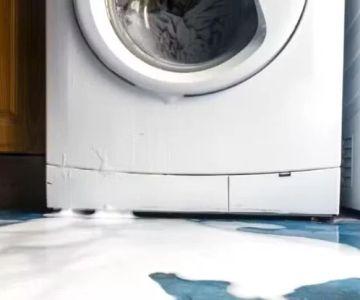
- Water Heater Malfunctions: Old or poorly maintained water heaters can leak or burst, causing substantial water damage in basements or utility rooms.
Preventive Measures for Water Damage
Preventing water damage caused by faulty plumbing systems is essential for protecting your home. Here are some key measures to take:
- Regular Inspections: Have your plumbing system inspected regularly by a professional plumber. They can check for signs of wear, corrosion, or leaks that may not be visible to the untrained eye.
- Maintain Water Pressure: Too much water pressure can strain pipes and fixtures. Install a pressure regulator if necessary to keep water pressure within safe limits (usually between 40-60 psi).
- Check for Leaks: Periodically check under sinks, around water heaters, and in other areas prone to leaks. Address small leaks immediately to avoid larger problems.
- Replace Old Pipes: If you live in an older home, consider replacing aging pipes, especially those made of galvanized steel or lead, which are more prone to leaks and corrosion.
- Use Drain Covers: To prevent clogs, use drain covers in your kitchen, bathroom, and laundry room. Regularly clean drains to avoid build-up that could cause water to back up.
Maintaining Your Plumbing Systems
Proper maintenance of your plumbing system is the key to preventing costly water damage. Here are some maintenance tips:
- Keep Pipes Insulated: In cold weather, pipes are susceptible to freezing, which can lead to cracks and bursts. Insulating pipes in colder areas like attics or basements can help prevent freezing.
- Flush Your Water Heater: Sediment can build up in water heaters over time, leading to leaks. Flushing your water heater once a year helps prevent this issue.
- Clean Gutters Regularly: Blocked gutters can cause water to back up and overflow, leading to leaks around windows and the roofline. Clean gutters at least twice a year to ensure proper water flow.
- Know Your Shut-Off Valves: Familiarize yourself with the location of your water shut-off valve. In case of an emergency, being able to turn off the water supply quickly can prevent extensive damage.
Case Study: Preventing Water Damage from Plumbing Issues
Consider the case of a homeowner in Florida who experienced significant water damage in their basement due to a leaking pipe. The pipe had been slowly leaking behind a wall for months, and the homeowner didn’t notice the problem until the water had caused mold growth and damage to the foundation. After a thorough inspection, the plumber identified several other areas in the system that were prone to failure due to age and poor installation. By replacing the old pipes and installing better insulation, the homeowner was able to prevent future leaks and costly repairs.

Wizard Restorations Inc / puroclean of san fernando
Rancho CucamongaSan Bernardino CountyCalifornia
10245 8th St, Rancho Cucamonga, CA 91730, USA
When to Call Professional Plumbers
While some small plumbing issues can be handled on your own, others require professional attention. If you notice any of the following signs, it’s time to call a professional plumber:
- Water pressure is too high or too low.
- You notice a sudden increase in your water bill, which could indicate a leak.
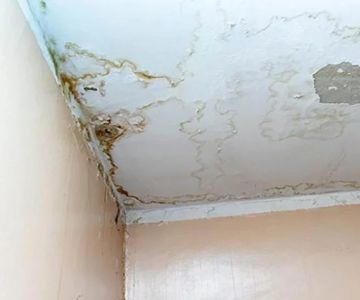
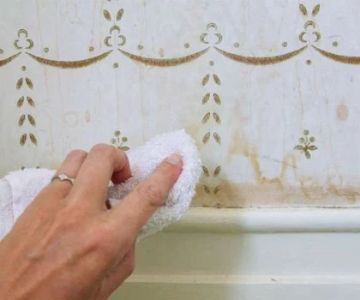
- Water spots or mold appear on walls, ceilings, or floors.
- You hear strange noises from your pipes or water heater.
Calling a professional plumber for regular inspections and immediate repairs can save you from expensive water damage in the long run. For more tips on water damage prevention or plumbing services, visit Reliable Damage Hub today.
 Seagate Roofing and Foundation Services4.0 (132 reviews)
 ack restorations5.0 (4 reviews)
 Big Blue Restoration4.0 (77 reviews)
 Ace Handyman Services Niceville4.0 (201 reviews)
 Oxnard Best Water Mold Fire Damage Company4.0 (72 reviews)
 Ready 5 Restoration5.0 (1 reviews)
 How to Restore Water-Damaged Upholstery - Expert Tips and Solutions
 What You Should Know About Water Damage Restoration for Commercial Spaces
 Water Damage Restoration for Schools and Educational Buildings
 Water Damage Repair for Soggy Carpets: Causes, Risks, and Solutions
 Water Damage Repair for Attics and Roof Spaces: Essential Tips for Prevention
 Emergency Water Damage Cleanup: A Step-by-Step Guide for Homeowners