
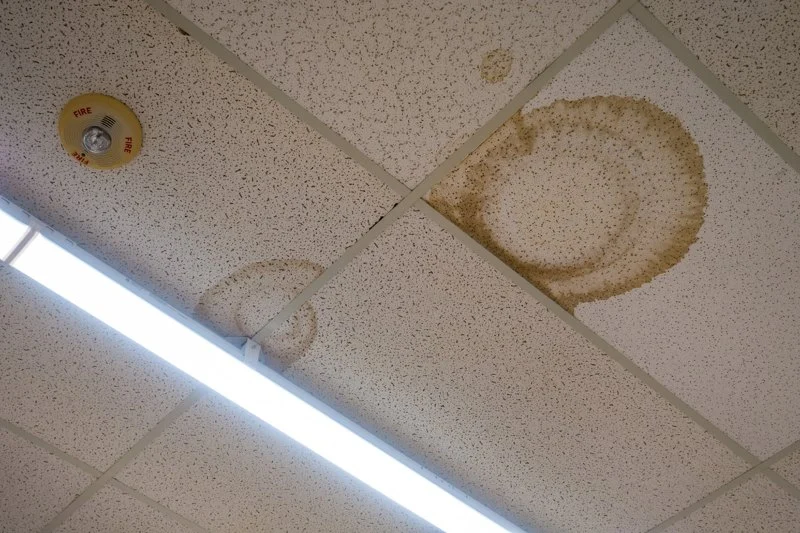
- 1. Understanding Water Damage in Ceiling Tiles
- 2. Step-by-Step Guide to Repair Water-Damaged Ceiling Tiles
- 3. Common Causes of Water Damage to Ceiling Tiles
- 4. Preventing Future Water Damage to Ceiling Tiles
- 5. When to Replace Water-Damaged Ceiling Tiles
1. Understanding Water Damage in Ceiling Tiles
Water damage in ceiling tiles is a common issue in many homes, and it can result from a variety of factors such as leaking pipes, roof leaks, or even condensation. When moisture seeps into the tiles, they can become discolored, saggy, and weakened. Over time, if not addressed, water damage can compromise the integrity of your ceiling, leading to more costly repairs.
Before you begin the repair process, it’s important to understand the extent of the damage. Minor stains may only require cleaning or spot repairs, while extensive water damage may call for tile replacement. Regardless of the severity, repairing water-damaged ceiling tiles is an essential home maintenance task to restore your ceiling's appearance and prevent further structural issues.

Wizard Restorations Inc / puroclean of san fernando
Rancho CucamongaSan Bernardino CountyCalifornia
10245 8th St, Rancho Cucamonga, CA 91730, USA
2. Step-by-Step Guide to Repair Water-Damaged Ceiling Tiles
Here’s a simple, step-by-step guide on how to repair water-damaged ceiling tiles:
- Step 1: Inspect the Damage – Before starting the repair, carefully examine the ceiling tiles to assess the extent of the water damage. If the damage is limited to a small section, it may be possible to fix it without replacing the entire tile.
- Step 2: Identify and Fix the Source of the Water Leak – It’s essential to address the root cause of the water damage to prevent it from recurring. Check for leaks in pipes, the roof, or around windows and doors. If you’re unable to identify the leak, it’s advisable to call a professional plumber or roofer to fix the issue.
- Step 3: Remove Damaged Ceiling Tiles – Once you’ve fixed the leak, remove the affected tiles. If the tiles are sagging or stained, gently lift them from the ceiling grid or use a flathead screwdriver to pop them out. Be sure to dispose of them properly to avoid any further contamination or mold growth.
- Step 4: Clean the Area – Before installing new tiles, clean the surrounding area. Use a mild cleaning solution or bleach to remove any mold or mildew, which can be a result of prolonged moisture exposure. Allow the area to dry completely before proceeding.
- Step 5: Install New Ceiling Tiles – If the damage is extensive and the tiles need to be replaced, measure the size of the tile grid and purchase replacement tiles that fit correctly. Carefully insert the new tiles into the ceiling grid, ensuring they are aligned and secure.
By following these steps, you can effectively repair water-damaged ceiling tiles and restore your ceiling's appearance. If you prefer to have the work done by professionals, be sure to contact a trusted contractor who specializes in ceiling repairs.
Giants / dry kings restoration of san francisco
San FranciscoSan Francisco CountyCalifornia
685 Geary Blvd, San Francisco, CA 94102, USA
3. Common Causes of Water Damage to Ceiling Tiles
Water damage to ceiling tiles can occur for several reasons, and understanding the causes will help you prevent future issues. Some of the most common causes include:
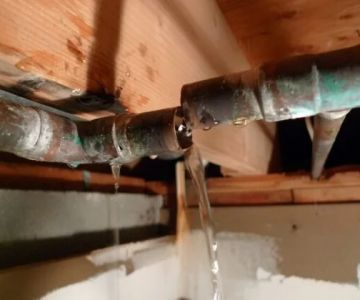
- Leaking Pipes: Water leaking from pipes, especially in areas like bathrooms or kitchens, can easily find its way into the ceiling and cause damage to tiles.
- Roof Leaks: If your roof is damaged, rainwater can seep through and affect the ceiling tiles, especially in areas with poor insulation.
- Condensation: Condensation from air conditioning units, especially in areas with poor ventilation, can lead to moisture buildup and damage ceiling tiles over time.
- Plumbing Issues: Faulty plumbing, such as clogged drains or overflowing toilets, can also lead to water damage in ceilings directly beneath these areas.
Identifying the source of water damage is crucial for preventing future issues. Once the leak is fixed, proper ventilation and moisture control can go a long way in avoiding further damage.
4. Preventing Future Water Damage to Ceiling Tiles
After repairing your water-damaged ceiling tiles, it’s essential to take steps to prevent future damage. Here are some helpful tips:
- Regularly Inspect Plumbing and Roofs: Schedule annual inspections of your plumbing and roof to ensure there are no leaks or weaknesses in the system.
- Ensure Proper Ventilation: Good ventilation is key to preventing condensation buildup. Consider installing fans or improving airflow in areas prone to moisture, such as bathrooms and kitchens.
- Use Waterproof Ceiling Materials: For areas particularly prone to water damage, consider installing waterproof ceiling tiles or materials that are more resistant to moisture and mold.
By being proactive and maintaining your ceiling and plumbing systems, you can significantly reduce the risk of water damage and extend the life of your ceiling tiles.
5. When to Replace Water-Damaged Ceiling Tiles
Sometimes, the damage to your ceiling tiles is beyond repair, and replacement is the best option. Here are a few signs that indicate it’s time to replace the tiles:
- Severe Sagging: If the tiles are severely sagging or soft to the touch, it’s a clear sign that they’ve absorbed too much moisture and can no longer be repaired effectively.
- Stains that Won’t Go Away: Persistent stains that don’t disappear even after cleaning may indicate permanent damage that can’t be restored.
- Mold or Mildew Growth: If mold or mildew has taken root in the tiles, replacement is necessary to avoid health risks and further damage to your ceiling and walls.
In such cases, replacing the damaged tiles not only improves the aesthetic of your space but also ensures the health and safety of your home. Consult a professional to help with tile selection and installation for the best results.
If you're looking for high-quality ceiling tiles and repair materials, visit Reliable Damage Hub for the best products to repair and replace your water-damaged ceiling tiles.

 Drycon Hendersonville4.0 (30 reviews)
 Blue Kangaroo Packoutz of Central and Northern Utah4.0 (50 reviews)
 Brock Mountain Land Company, LLC5.0 (13 reviews)
 Universal Tech Service0.0 (0 reviews)
 Restoration Pros4.0 (15 reviews)
 Accelerate Crisis Management5.0 (6 reviews)
 How to Prevent Water Damage From Clogged Gutters
 Water Damage Repair for Attics and Roof Spaces
 Water Damage Repair for Ceiling and Wall Mold
 How to Minimize Water Damage in Your Home During Winter
 How to Repair Water-Damaged Drywall
 What You Should Know About Water Damage Insurance Claims