
- 1-identifying-water-damage
- 2-assessing-the-extent-of-damage
- 3-preparing-for-repair
- 4-diy-repair-techniques
- 5-preventing-future-water-damage
- 6-professional-assistance-options
1. Identifying Water Damage
Recognizing water damage early is crucial to prevent further deterioration of your kitchen cabinets. Signs may include warped or swollen wood, bubbling paint, discolored surfaces, or persistent mold odors. Identifying these indicators allows homeowners to take prompt action and minimize repair costs.
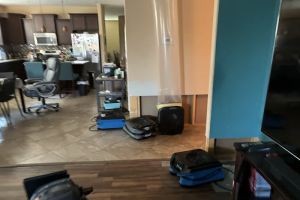
Drip Restoration / valleywide restoration mesa az
932 S Stapley Dr, Mesa, AZ 85204, USA
1.1 Visible Damage
Inspect cabinet doors, shelves, and edges for signs of swelling or splitting. Water often seeps into joints and corners, causing wood to lose its original shape.
SERVPRO of Pompano Beach / servpro fort lauderdale south
Pompano BeachBroward CountyFlorida
2101 NW 33rd St #200a, Pompano Beach, FL 33069, USA
1.2 Hidden Damage
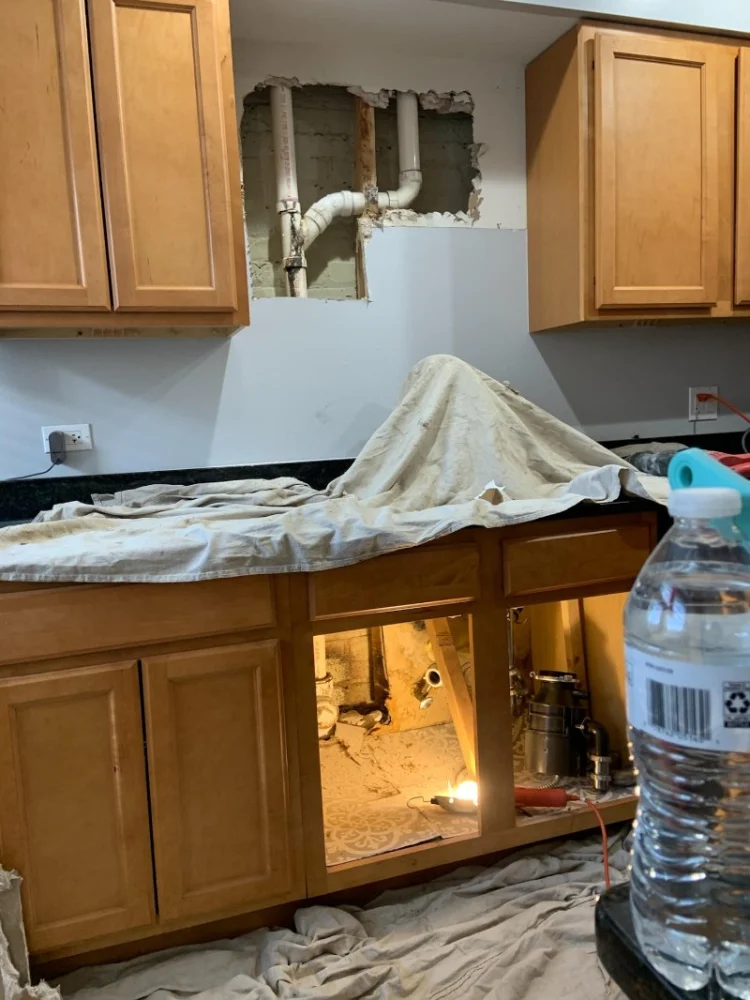
Sometimes water damage occurs behind cabinet panels or under sinks. Using a moisture meter or gently probing the wood can help detect areas weakened by prolonged exposure.
2. Assessing the Extent of Damage
After identifying water damage, determine how severe it is. Minor warping may only require sanding and refinishing, while structural damage might necessitate partial or full replacement.
2.1 Minor Damage
Small bubbles, light discoloration, or slight swelling can often be repaired with DIY techniques such as sanding, wood filler, and repainting or varnishing.
2.2 Major Damage
Severe rot, mold growth, or compromised cabinet structure may require removing affected sections, replacing panels, or installing new cabinet units to ensure durability.
3. Preparing for Repair
Proper preparation ensures a smooth repair process. Begin by removing cabinet contents, cleaning surfaces, and allowing the wood to dry completely. Safety precautions such as wearing gloves and masks are recommended, especially if mold is present.
3.1 Cleaning and Drying
Wipe down surfaces with a mixture of mild detergent and water. Use fans or dehumidifiers to thoroughly dry the cabinets before attempting repairs.
3.2 Removing Mold
If mold is detected, clean the area with a solution of water and vinegar or a commercial mold remover. Addressing mold early prevents health hazards and further wood deterioration.
4. DIY Repair Techniques
Several methods can restore your water-damaged cabinets effectively.
4.1 Sanding and Refinishing
For minor warping or surface damage, sanding the affected areas and applying new paint or varnish can restore the cabinet’s appearance and protect against future moisture.
4.2 Using Wood Filler
Cracks or small holes can be repaired using wood filler, followed by sanding and staining to match the existing finish.
4.3 Replacing Damaged Panels
For extensive damage, removing and replacing the affected cabinet panels may be necessary. Ensure precise measurements and matching materials for a seamless finish.
5. Preventing Future Water Damage
After repairs, taking preventive measures is essential to protect your cabinets. Install water-resistant finishes, ensure proper ventilation under sinks, and promptly address leaks or spills.
5.1 Routine Maintenance
Regularly inspect cabinets for early signs of moisture and keep the area dry to prevent recurrence.
5.2 Upgrade Fixtures
Consider installing water leak detectors or upgraded plumbing fixtures to minimize the risk of future water damage.
6. Professional Assistance Options
For homeowners facing severe damage or preferring expert help, professional cabinet repair services offer assessment, restoration, and replacement solutions. Visiting Reliable Damage Hub provides access to trusted services, high-quality materials, and practical guidance for all levels of cabinet damage.
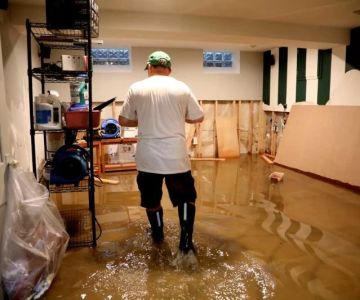
 American Leak Detection of South Jersey & Delaware4.0 (65 reviews)
 RMI Restoration FL5.0 (4 reviews)
 GB Jr. Express LLC. Home Improvement & Handyman Services4.0 (127 reviews)
 Flood Rewind Water Damage Restoration of Overland Park4.0 (65 reviews)
 Precision Structures, Inc.4.0 (57 reviews)
 Master Restoration Guys5.0 (9 reviews)
 The Best Materials for Water Damage Prevention in Your Home
 Water Damage Restoration After Heavy Rain: How to Act Fast
 How to Dry Your Home After a Major Water Leak: Essential Steps
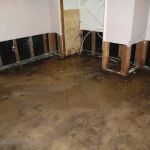 How to Handle Water Damage from Basement Condensation
 How to Handle Water Damage After a Plumbing or Pipe Burst
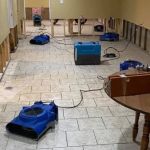 How to Repair Water Damage Around Whole Residential Systems