
- 1-Assessing-The-Damage
- 2-Drying-And-Dehumidifying
- 3-Removing-Compromised-Materials
- 4-Structural-Repair-And-Reinforcement
- 5-Preventing-Future-Water-Damage
- 6-Professional-Restoration-Services
- 7-Real-Life-Restoration-Case-Studies
- 8-Reliable-Damage-Hub-Resources
1. Assessing the Damage
Before starting restoration, the first critical step is accurately assessing water damage. Identifying the severity, spread, and type of water involved—whether clean, grey, or black water—is essential for effective restoration. Water can penetrate walls, floors, ceilings, and interior frameworks, compromising structural integrity.
Professional inspectors often use moisture meters and thermal cameras to locate hidden water pockets, ensuring no damaged areas are overlooked. Knowing the exact extent allows prioritization of critical repairs and prevents secondary damage such as mold growth.
1.1 Visual Inspection
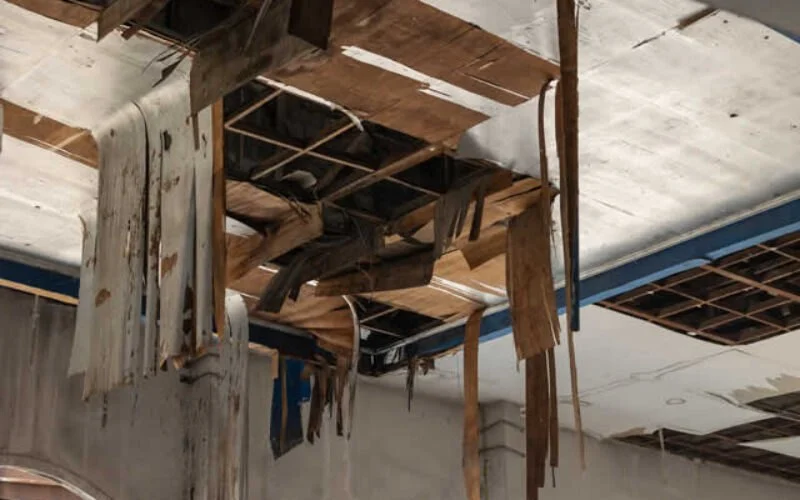
Look for warped wood, staining, peeling paint, and sagging drywall. These visual indicators often signal underlying water intrusion that affects interior frameworks.
1.2 Structural Integrity Check
Check beams, joists, and studs for soft spots or structural weaknesses. Damaged frameworks may require reinforcement or replacement to restore safety.
2. Drying and Dehumidifying
2.1 Airflow Management
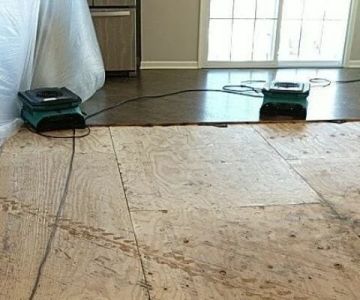
Once affected areas are identified, drying begins. Industrial fans and air movers create airflow that accelerates water evaporation, reducing risk of mold.
2.2 Dehumidification
Dehumidifiers remove excess moisture from the air, lowering humidity and preventing structural damage to interior frameworks. Maintaining controlled moisture levels ensures safe and effective restoration.
2.3 Temperature Control
Maintaining warm and dry conditions supports quicker drying, especially in hard-to-reach areas within walls and ceiling cavities.
3. Removing Compromised Materials
3.1 Damaged Drywall and Paneling
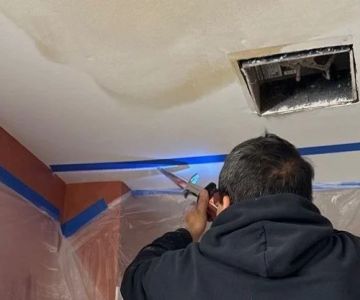
Water-soaked drywall loses structural integrity. Removal and replacement are necessary to prevent mold and maintain framework stability.
3.2 Insulation Replacement
Insulation that has absorbed water may become ineffective and foster mold growth. Replacing it ensures proper thermal efficiency and hygienic conditions.
3.3 Flooring and Subfloor Removal
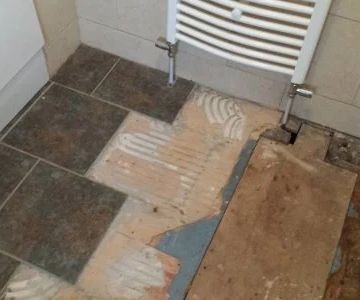
In cases where water penetrates floors, affected materials must be removed. Subflooring and hardwood may require treatment or replacement depending on damage severity.
4. Structural Repair and Reinforcement
4.1 Framework Restoration
Water-damaged studs, beams, and joists may need reinforcement with sistering, bracing, or full replacement. Ensuring correct alignment and load-bearing capacity is critical.
4.2 Mold Remediation
Before final repairs, all mold must be removed. Antimicrobial treatments and cleaning ensure interior frameworks are safe and free from potential health hazards.
4.3 Rebuilding Interior Surfaces
Once structural elements are stable and dry, reconstruction of drywall, paneling, and flooring can begin. Matching materials and finishes ensures aesthetic continuity while restoring functionality.
5. Preventing Future Water Damage
5.1 Leak Detection
Regular inspection of plumbing, roofing, and windows helps identify early leaks. Prompt action prevents water from reaching critical interior frameworks.
5.2 Waterproofing Measures
Applying sealants, waterproof membranes, and proper drainage reduces future water intrusion. Professional guidance ensures effective application tailored to your property.
5.3 Maintenance Planning
Scheduled maintenance of gutters, HVAC systems, and foundations ensures structural integrity over time, reducing risk of repeated water damage.
6. Professional Restoration Services
6.1 Why Hire Experts
Restoring water-damaged frameworks involves technical knowledge, specialized tools, and safety protocols. Professionals mitigate risk of structural failure and mold outbreaks.
6.2 Advanced Equipment
Moisture meters, infrared cameras, industrial dryers, and dehumidifiers used by professional teams accelerate restoration and enhance accuracy.
6.3 Comprehensive Approach
Professionals combine assessment, drying, material replacement, and structural reinforcement into a coordinated plan, reducing downtime and cost of repeated repairs.
7. Real-Life Restoration Case Studies
7.1 Residential Flood Recovery
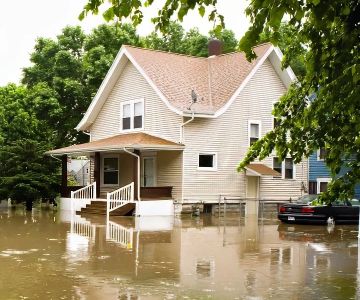
A home in Louisiana suffered extensive interior flooding. The restoration team assessed compromised walls, floors, and beams, removing damaged materials and using high-capacity dehumidifiers. After structural repairs, the home was restored to pre-flood conditions, safe and mold-free.
7.2 Commercial Office Water Intrusion
An office building experienced water penetration from a burst pipe. Professionals restored the interior framework, replaced affected drywall and insulation, and applied antimicrobial treatments. Operations resumed with minimal downtime.
7.3 Historic Property Preservation
A century-old building faced water damage from roof leaks. Restoration included selective framework replacement, custom reinforcement, and careful reconstruction to preserve historical integrity while ensuring modern safety standards.
8. Reliable Damage Hub Resources
8.1 Expert Guidance
Reliable Damage Hub provides step-by-step guides, professional advice, and access to certified restoration experts. Whether residential or commercial, solutions are tailored to unique needs.
8.2 Tools and Services
From moisture detection devices to structural repair kits, Reliable Damage Hub offers the right products to support restoration efforts and ensure comprehensive repair of water-damaged frameworks.
8.3 Case Study Library
Explore detailed restoration stories and strategies to understand best practices and avoid common pitfalls. Real-life examples illustrate effective techniques for restoring water-damaged entire interior frameworks.
Properly restoring water-damaged entire interior frameworks requires careful assessment, drying, material removal, structural repair, and preventive measures. Explore Reliable Damage Hub to access professional guidance, trusted tools, and services that ensure your property returns to full safety and functionality.
 SERVPRO of Metairie4.0 (115 reviews)
 Roto-Rooter Plumbing & Drain Services4.0 (1036 reviews)
 Locktight Waterproofing4.0 (34 reviews)
 Cornerstone Brushworks4.0 (23 reviews)
 GOAT Restoration0.0 (0 reviews)
 Pro-Tech Restoration Services5.0 (13 reviews)
 How to Handle Water Damage From Roof Leaks
 How to Repair Water Damage Around Home Foundations: A Step-by-Step Guide
 The Top Water Damage Prevention Tips for Homes in Coastal Areas
 What You Should Know About Water Damage Restoration and Mold Growth
 Water Damage Repair for Hardwood Stairs Made Simple
 What to Expect During a Water Damage Restoration Service