
- Identifying the Extent of Damage
- Preparing the Baseboards for Repair
- Removing Stains and Mold
- Filling Cracks and Gaps
- Sanding and Smoothing
- Priming and Painting Tips
- Protecting Against Future Water Damage
- Real-Life Homeowner Success Stories
- Choosing the Right Materials and Tools
- Maintaining Restored Baseboards
Identifying the Extent of Damage
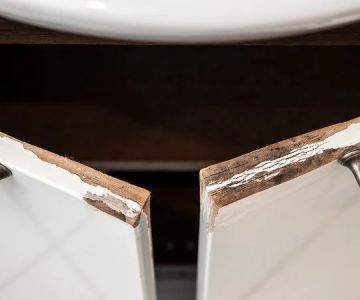
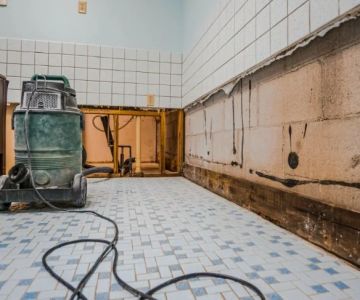
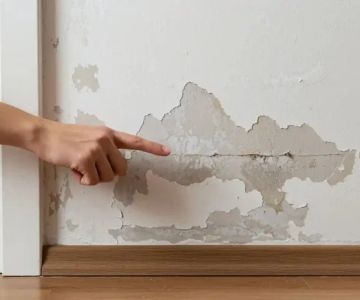
The first step in restoring water-damaged baseboards is accurately assessing the damage. Water can cause wood to warp, swell, discolor, or promote mold growth. Homeowners should inspect baseboards closely for:
- Warping or bending along the baseboard edges
- Soft or spongy areas indicating prolonged water exposure
- Discoloration, including white spots or brown stains
- Mold or mildew accumulation in hidden corners
Understanding the severity of damage helps determine whether simple surface restoration is sufficient or more intensive repair is required. Reliable Damage Hub provides resources to guide homeowners through this assessment process, offering practical advice for both minor and moderate damage scenarios.

Kustom US Restoration / kustom restoration
1215 W Houston Ave Suite A, Gilbert, AZ 85233, USA
Preparing the Baseboards for Repair
1. Clearing the Area
Before starting repairs, remove furniture and decorations near the baseboards. Protect flooring with drop cloths to prevent mess from sanding, painting, or filler materials. A clean workspace allows for precise and effective repair work.
Giants / dry kings restoration of san francisco
San FranciscoSan Francisco CountyCalifornia
685 Geary Blvd, San Francisco, CA 94102, USA
2. Cleaning the Surface
Use a mild detergent and water solution to wipe down the baseboards. This removes dust, dirt, and any surface grime, ensuring repair materials adhere properly. For stubborn residues, a soft-bristle brush can help clean detailed trim without causing further damage.
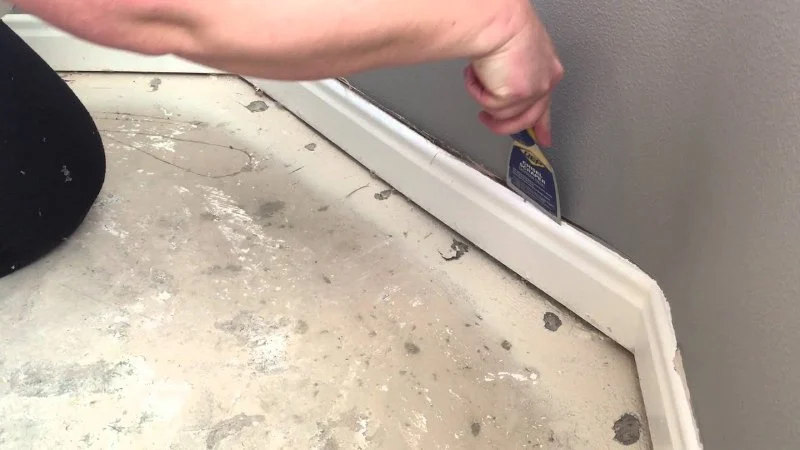
3. Removing Loose or Damaged Sections
Gently scrape away peeling paint or wood fibers weakened by water exposure. Avoid aggressive scraping that can remove too much material. The goal is to create a stable surface ready for patching and refinishing.
Removing Stains and Mold
1. Addressing Water Stains
Light water stains can often be removed using a mixture of vinegar and water or a commercial wood cleaner. Apply the solution gently with a soft cloth, working in small sections to lift discoloration without damaging the wood surface.
2. Treating Mold and Mildew
For mold-affected baseboards, mix a solution of one part bleach to three parts water. Wearing gloves and ensuring proper ventilation, carefully scrub mold spots using a soft brush. After treatment, thoroughly dry the area to prevent regrowth.
Filling Cracks and Gaps
1. Choosing the Right Filler
Wood filler or putty specifically designed for baseboards works best. Select a filler that matches the type of wood or can be painted over seamlessly. This helps achieve a smooth, uniform finish after repair.
2. Application Techniques
- Use a putty knife to press filler firmly into cracks and gaps.
- Smooth the surface to reduce sanding later.
- Allow filler to dry completely according to manufacturer instructions.
Proper filling restores structural integrity and ensures baseboards look professional after refinishing.
Sanding and Smoothing
Once filler is dry, sand the entire baseboard surface using medium to fine-grit sandpaper. Focus on blended edges and uneven areas to create a smooth surface suitable for painting or staining. For intricate trim, sanding blocks or sanding sponges help maintain detailed features without damage.
Priming and Painting Tips
1. Priming the Surface
Applying a quality primer seals repaired areas, prevents future water penetration, and improves paint adhesion. Choose a primer compatible with the chosen paint type for the best finish.
2. Painting Baseboards
Use a high-quality, water-resistant paint designed for trim. Apply in thin, even coats, allowing sufficient drying time between layers. A small angled brush helps reach corners and maintain crisp lines along the flooring and wall edges.
3. Optional Staining
If baseboards are wood-stained rather than painted, lightly sand the repaired sections and apply a matching wood stain. Top with a protective clear coat for durability.
Protecting Against Future Water Damage
- Address leaks promptly, whether from windows, doors, or plumbing.
- Install proper trim sealants or caulk at vulnerable junctions.
- Ensure adequate ventilation in moisture-prone areas like bathrooms and kitchens.
- Consider using water-resistant baseboard materials in high-risk zones.
Preventive measures can significantly extend the life of restored baseboards and reduce future repair costs.
Real-Life Homeowner Success Stories
One homeowner in Florida discovered water damage after a minor flood in the laundry room. Rather than replacing all baseboards, they followed restoration steps: cleaned, treated mold, filled cracks, sanded, and painted. Within a weekend, the baseboards looked as good as new, saving both time and thousands of dollars in replacement costs.
Another family in Texas faced discoloration after a leaking window. Using techniques from Reliable Damage Hub, they restored their baseboards using stain removal solutions and touch-up paint. The result was visually seamless, demonstrating that careful repair can achieve professional results without full replacement.
Choosing the Right Materials and Tools
For successful restoration, select:
- Non-toxic cleaning solutions suitable for indoor use
- High-quality wood filler or putty
- Fine-grit sandpaper and sanding blocks
- Moisture-resistant primers and paints
- Protective gloves and drop cloths for safety and cleanliness
Using reliable materials ensures long-lasting results and reduces the need for repeated repairs.
Maintaining Restored Baseboards
Once baseboards are restored, regular maintenance is essential:
- Wipe surfaces regularly to prevent dirt buildup
- Check for moisture intrusion periodically
- Touch up paint or stain as needed
- Address minor cracks or chips early to prevent further damage
Proper maintenance prolongs the life of restored baseboards and keeps homes looking well-maintained. For additional tips, techniques, and product recommendations, homeowners can consult Reliable Damage Hub for expert guidance and product options designed for water-damage repair and prevention.

 Red Dog Restoration5.0 (128 reviews)
 PuroClean of Sandy Springs5.0 (10 reviews)
 Water Damage Removal Suffolk County5.0 (8 reviews)
 FAST HELP5.0 (43 reviews)
 SERVPRO of Park La Brea4.0 (130 reviews)
 Storm Hero Roofing & Restoration4.0 (19 reviews)
 How to Fix Water Damage from Plumbing System Failures Effectively
 The Dangers of Ignoring Water Damage: Why Timely Restoration is Crucial
 Water Damage Restoration for Hotels: Best Practices and Tips in 2025
 How to Prevent Mold After Basement Flooding
 How to Repair Water-Damaged Ceilings – A Comprehensive Guide
 Comprehensive Guide to Water Damage Repair for Office Ceilings