1. Understanding Water Damage from Overflows
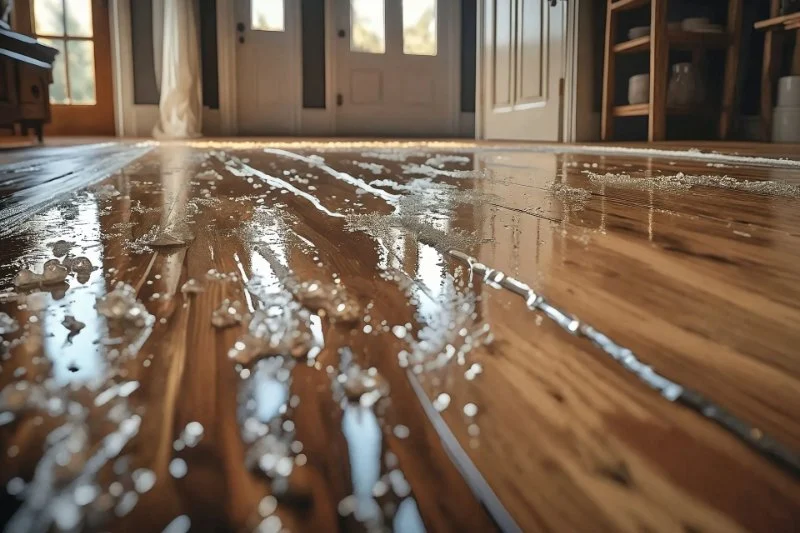
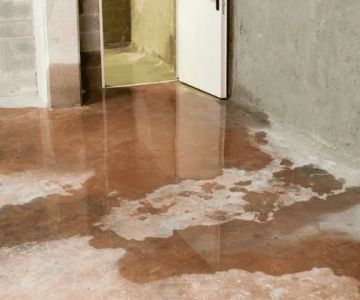
Water damage from overflows can be a homeowner's worst nightmare. Overflows typically happen when there is excess water in areas like sinks, bathtubs, or washing machines, which then spills over and floods the surrounding areas. When this excess water isn’t promptly managed, it can quickly cause significant damage to walls, floors, furniture, and electrical systems.
Understanding the extent of water damage and how it spreads is crucial for addressing the issue before it turns into a bigger problem. Water can seep into carpets, drywall, and wood floors, weakening structures and leading to mold growth. Early detection and quick action are essential to minimize long-term damage and expenses.
Drip Restoration / valleywide restoration mesa az
932 S Stapley Dr, Mesa, AZ 85204, USA
2. Common Causes of Overflows
There are several reasons why water overflows occur in homes. Some of the most common causes include:
- Clogged Drains: Over time, drains can become clogged with food, hair, soap scum, or grease. This can cause water to back up and overflow from sinks, bathtubs, or showers.
- Faulty Appliances: Washing machines, dishwashers, and water heaters are common sources of overflow issues. If these appliances malfunction, they can spill large amounts of water into the surrounding area.
- Pipe Leaks or Bursts: Leaking or burst pipes often result in sudden water damage, flooding floors, and causing expensive damage to furniture and personal items.
- Heavy Rain and Flooding: In some cases, external factors such as heavy rainfall can overwhelm drainage systems, leading to water backing up into the home from overflowing gutters or sewers.
3. How to Respond to Overflow Damage
If you've experienced water overflow damage, it's crucial to act quickly to mitigate further harm. Here are the essential steps to take when responding to water overflow damage:
- Shut Off the Water Source: If the overflow is caused by a plumbing issue, immediately shut off the water supply to prevent further damage. This can be done by turning off the main water valve or the appliance valve causing the issue.
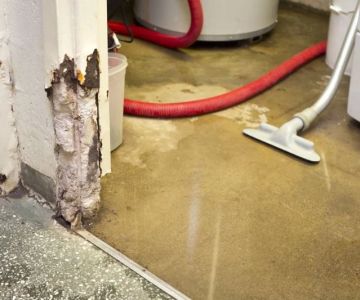
- Remove Excess Water: Use mops, towels, or a wet vacuum to remove as much water as possible from the affected area. The quicker you remove the water, the less damage it will cause.
- Move Furniture and Valuables: If the overflow affects furniture or valuable items, move them to a dry area to prevent permanent damage. Make sure to also unplug electronics and appliances to avoid electrical hazards.
- Dry the Area: After removing excess water, use fans, dehumidifiers, and open windows to dry out the space. This will help prevent mold and mildew from developing, which can worsen the damage.
- Inspect for Mold: Mold can begin to grow within 24-48 hours after water damage, so it’s important to inspect the affected area regularly. If you notice mold, it’s essential to address it as soon as possible to prevent further health issues and structural damage.
4. Steps to Prevent Future Overflows
Once you’ve dealt with the immediate water damage, it’s essential to take preventive measures to avoid future overflow incidents. Here are some proactive steps you can take:
- Regular Drain Maintenance: Clean your drains regularly to prevent clogs. You can use natural drain cleaners like baking soda and vinegar, or purchase commercial drain cleaning products.
- Inspect Appliances: Regularly inspect your washing machines, dishwashers, and water heaters to ensure they are functioning properly. Replace any worn-out hoses or seals to avoid leaks.
- Install Water Leak Detectors: These smart devices can alert you to leaks before they cause major damage, giving you more time to respond before the overflow worsens.
- Check the Gutters and Downspouts: Clean your gutters and downspouts regularly to ensure they are free of debris. This will help prevent water from backing up and flooding the interior of your home during heavy rain.
5. Water Damage Restoration
In cases where the water damage is extensive, it may be necessary to call in a professional water damage restoration service. These experts have the tools, experience, and expertise to handle severe water damage and restore your home to its pre-damage condition. A professional restoration company will:
- Assess the full extent of the damage, including hidden moisture that may have seeped into walls, floors, or insulation.
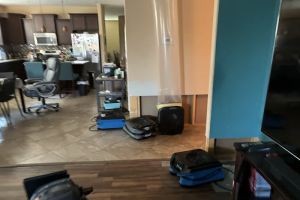
- Remove any remaining water and use specialized drying equipment to restore the area to its normal humidity levels.
- Repair structural damage, replace flooring or drywall, and handle mold remediation if necessary.
- Work with insurance companies to ensure that your claim is processed efficiently.
6. Where to Find Water Damage Services
If you are facing water damage from overflows, it’s important to choose a reliable restoration service. Reliable Damage Hub offers a wide range of trusted professionals who specialize in water damage repair, including flood cleanup, mold remediation, and structural restoration. Visit Reliable Damage Hub to find the right service for your needs and ensure your home is properly restored after water damage.
 Preferred Home Improvements4.0 (51 reviews)
 COIT Cleaning and Restoration4.0 (97 reviews)
 Gold Star Restoration5.0 (1 reviews)
 SERVPRO of San Jacinto/Idyllwild/Lakeview4.0 (66 reviews)
 Ed Lampl Environmental and Home Inspections4.0 (255 reviews)
 Perfect Timing Restoration4.0 (7 reviews)
 How to Identify and Fix Water Damage in Your Home’s HVAC System | Reliable Damage Hub
 How to Handle Water Damage From Roof Flashing Failures
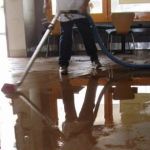 Water Damage Restoration After Sewer Flooding: What You Need to Know
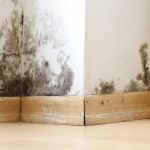 Water Damage Repair for Insulation in Walls
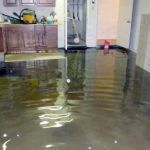 What to Do if Your House is Flooded from a Broken Pipe | Reliable Damage Hub
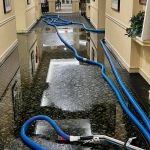 The Role of a Water Damage Restoration Professional in Your Home Repairs