
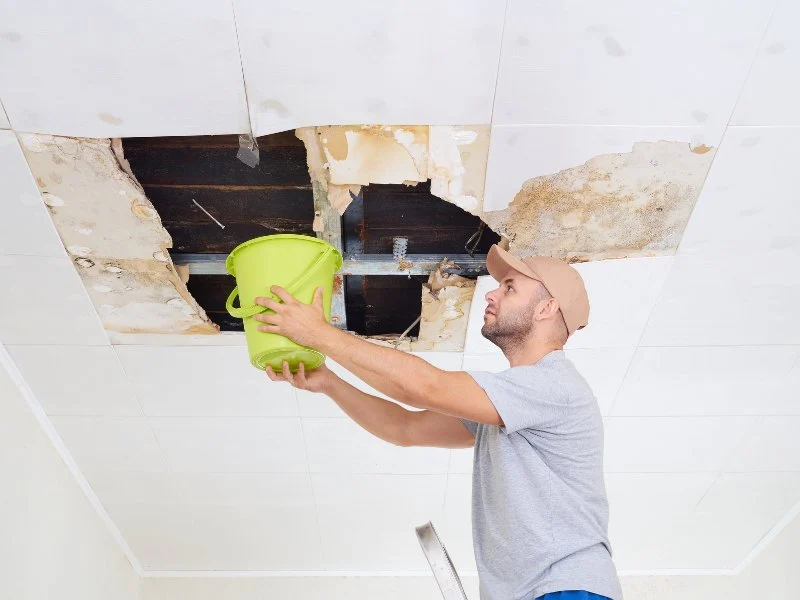
- 1. Identifying Water Damage in Office Ceilings
- 2. Steps to Repair Water Damage in Office Ceilings
- 3. Preventing Future Water Damage
- 4. When to Call Professionals for Water Damage Repair
1. Identifying Water Damage in Office Ceilings
Water damage to office ceilings can occur due to leaks from plumbing systems, roofs, or even humidity issues. Identifying the signs of water damage early is crucial to prevent further damage to your property and business operations.
Common signs of water damage include:
- Discoloration: Brown or yellow stains on the ceiling are the most obvious indicator of water damage.
- Peeling Paint or Wallpaper: The moisture can cause paint or wallpaper to bubble and peel.
- Sagging Ceiling: If the ceiling begins to sag, it indicates that the ceiling materials are absorbing water, potentially weakening the structure.
- Mold Growth: The presence of mold, particularly in damp areas, is a serious sign of prolonged water exposure.
If you spot any of these signs, it’s important to address the issue as soon as possible to prevent further damage and costly repairs.
SERVPRO of Pompano Beach / servpro fort lauderdale south
Pompano BeachBroward CountyFlorida
2101 NW 33rd St #200a, Pompano Beach, FL 33069, USA
2. Steps to Repair Water Damage in Office Ceilings
Repairing water damage to an office ceiling involves several steps, depending on the extent of the damage. Here’s a step-by-step guide to help you manage the repair process:
- Step 1: Locate the Source of the Leak – Before beginning any repairs, identify the source of the water. This could be a leaky roof, damaged pipes, or faulty HVAC systems. Fixing the source of the leak is crucial to prevent recurring damage.
- Step 2: Remove Damaged Materials – If the ceiling tiles or drywall are significantly damaged, they should be removed and replaced. Use protective equipment, such as gloves and a mask, when removing mold-infested materials.
- Step 3: Dry the Area – Use fans, dehumidifiers, and proper ventilation to ensure the ceiling is thoroughly dry before starting repairs. This helps prevent the growth of mold and mildew.
- Step 4: Replace or Patch the Ceiling – If the water damage is minimal, you may only need to patch small holes or cracks. For more extensive damage, you may need to replace ceiling tiles or drywall sections.
- Step 5: Repaint and Finish – After repairing the ceiling, it’s essential to repaint it to restore its appearance. Choose a mold-resistant paint to help prevent future water damage.
3. Preventing Future Water Damage
Taking steps to prevent water damage in your office is as important as repairing the current issue. Here are some preventive measures you can implement:
- Regular Roof Inspections: Periodically inspect the roof for leaks, especially after severe weather. Maintaining the integrity of the roof will prevent water from entering the office space.
- Check Plumbing Systems: Regularly check pipes and plumbing fixtures for leaks or signs of wear and tear. Make sure there are no clogged drains that could cause water to back up and damage ceilings.
- Improve Ventilation: Proper ventilation helps reduce humidity levels in your office, preventing moisture buildup that can lead to ceiling damage. Consider using dehumidifiers or installing vents in high-humidity areas like kitchens and bathrooms.
- Seal Cracks and Gaps: Check for gaps or cracks in the ceiling and walls that could allow water infiltration. Seal them with a high-quality sealant to avoid future issues.
4. When to Call Professionals for Water Damage Repair
While minor water damage may be something you can handle on your own, there are situations where it’s better to call professionals:
- Extensive Damage: If the damage to your ceiling is severe, with large sections of drywall or ceiling tiles needing replacement, a professional contractor will ensure the job is done correctly.
- Mold Infestation: If you spot mold growth or suspect the presence of mold, it’s best to call professionals who specialize in mold remediation.
- Structural Damage: Water damage that has affected the structural integrity of the ceiling or beams requires immediate professional attention to ensure safety.
Hiring a professional water damage repair service will ensure the work is done safely, efficiently, and up to code, saving you time and money in the long run.
For more tips on repairing water damage in your office, visit Reliable Damage Hub, where you can find expert services and resources to help restore your space.

 Good Roads Water Damage Experts5.0 (1 reviews)
 R&R Foundation Specialist4.0 (305 reviews)
 MJ White4.0 (102 reviews)
 ATI Restoration3.0 (25 reviews)
 Modernistic4.0 (251 reviews)
 ServiceMaster Cleaning Services4.0 (27 reviews)
 Water Damage Restoration for Retail Spaces – Expert Tips and Real Cases
 How to Prevent and Repair Water Damage in Commercial Properties
 How to Protect Your Home’s Electrical System from Water Damage: Essential Tips
 Flooded Basement? Here’s How to Restore It Safely
 How to Handle Water Damage After a Storm: A Step-by-Step Guide
 How to Handle Water Damage from Burst Pipes: A Step-by-Step Guide