
- 1. The Importance of Protecting Your Home's Exterior
- 2. Preparing Your Home for a Storm
- 3. Key Steps to Prevent Water Damage
- 4. Real-Life Story: Preventing Water Damage During a Major Storm
1. The Importance of Protecting Your Home's Exterior
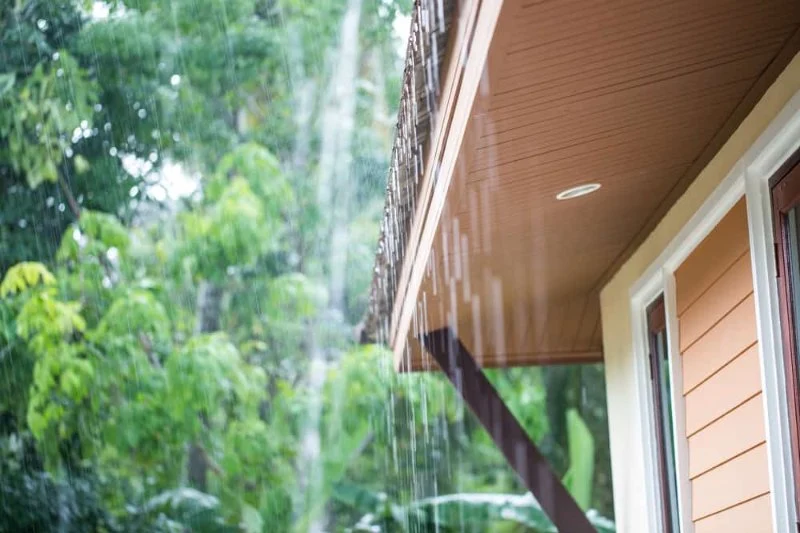
Your home’s exterior is the first line of defense against storm-related water damage. Heavy rainfall, strong winds, and even snowmelt during storms can cause significant damage to your home’s foundation, walls, and roof if not properly protected. By taking preventative measures, you can save yourself from costly repairs and the disruption that water damage often brings.
Water damage can seep into your walls, floors, and ceilings, causing structural issues, mold growth, and a host of other problems. Not only does this impact the value of your home, but it also poses serious health risks. For these reasons, it’s crucial to take steps to prevent water from infiltrating your home during a storm.

Drip Restoration / valleywide restoration mesa az
932 S Stapley Dr, Mesa, AZ 85204, USA
2. Preparing Your Home for a Storm
Before a storm hits, there are several preparations you can make to minimize the risk of water damage to your home. Proper preparation involves inspecting and reinforcing key areas of your exterior and ensuring your drainage systems are in good working order. Here’s how to get started:
SERVPRO of Pompano Beach / servpro fort lauderdale south
Pompano BeachBroward CountyFlorida
2101 NW 33rd St #200a, Pompano Beach, FL 33069, USA
2.1 Inspect and Clean Gutters
One of the simplest and most effective ways to prevent water damage during a storm is by cleaning your gutters and downspouts. Clogged gutters can cause water to overflow and seep into your walls and foundation. Clear any debris, leaves, or twigs from the gutters, and ensure the downspouts direct water away from your home’s foundation.
2.2 Seal Cracks and Gaps
Inspect the exterior of your home for any visible cracks or gaps, especially around windows, doors, and the foundation. Use weather-resistant sealants to close any openings, as water can easily seep through even the smallest gaps during a storm. This simple task can prevent water from entering vulnerable areas of your home.
2.3 Install Storm Shutters
Storm shutters provide an extra layer of protection for your windows and doors during severe weather. These can prevent wind-driven rain from breaking windows or causing water damage inside. Invest in high-quality, durable storm shutters that can be quickly deployed when a storm is approaching.
3. Key Steps to Prevent Water Damage
In addition to storm preparations, there are specific steps you can take to protect your home’s exterior and ensure that water doesn’t infiltrate your living space during a storm. These measures are crucial for long-term protection.
3.1 Check Your Roof
Your roof is one of the most important components in preventing water damage. Inspect your roof regularly for missing or damaged shingles, and replace them as needed. A well-maintained roof prevents water from leaking into your attic or interior walls during heavy rain. If your roof is old or in poor condition, consider replacing it to ensure maximum protection during a storm.
3.2 Ensure Proper Drainage
Having an effective drainage system around your home is vital for preventing water damage. Ensure that the ground around your foundation slopes away from the house to direct water away. If your yard collects water, consider installing French drains or grading the area to help water flow away from your home.
3.3 Install Sump Pumps and Flood Barriers
If you live in an area prone to heavy flooding, a sump pump can help remove water that accumulates in your basement. Flood barriers or sandbags can also be used around vulnerable entry points, such as doors or windows, to prevent water from entering during a storm.
4. Real-Life Story: Preventing Water Damage During a Major Storm
During Hurricane Katrina, many homes in New Orleans suffered extensive water damage due to poor drainage systems and lack of preparation. However, one homeowner took proactive measures by installing sump pumps, cleaning their gutters regularly, and reinforcing their roof. When the storm hit, this preparation paid off—while many of their neighbors experienced flooding, their home remained dry and structurally intact.
This story highlights the importance of taking preventative measures before a storm. Even if you live in an area with fewer extreme weather events, it’s always better to be prepared. Simple steps like cleaning gutters and sealing cracks can go a long way in protecting your home from potential water damage during a storm.

 Water Damage Services Huntsville2.0 (1 reviews)
 SERVPRO of Jamestown / Olean4.0 (381 reviews)
 FRSTeam4.0 (4 reviews)
 Wet To Dry Mitigation Services Inc5.0 (28 reviews)
 Surfside Carpet Cleaning4.0 (127 reviews)
 Complete Detail Cleaning & Restoration5.0 (539 reviews)
 Water Damage Repair for Basement Flooring
 Water Damage Restoration for Commercial Offices: Protecting Business Continuity
 How to Manage Water Damage in Multi-Story Buildings After a Flood
 The Best Ways to Handle Water Damage Restoration on a Budget
 How to Dry Out Water-Damaged Wooden Floors | Step-by-Step Guide
 What You Need to Know About Water Damage from Clogged Toilets