
- 1-Identifying-the-source-of-water-damage
- 2-Immediate-actions-to-mitigate-damage
- 3-Assessing-structural-and-cosmetic-impact
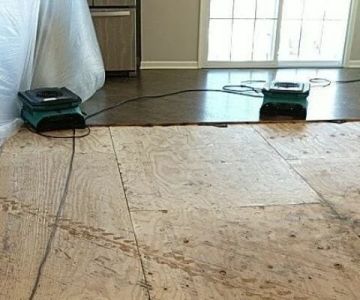
- 4-Drying-and-dehumidification-techniques
- 5-Repairing-or-replacing-damaged-plumbing
- 6-Cleaning-and-sanitizing-affected-areas
- 7-Preventive-measures-to-avoid-future-damage
- 8-Real-life-case-studies
- 9-When-to-call-professional-help
- 10-Long-term-maintenance-tips
1. Identifying the Source of Water Damage
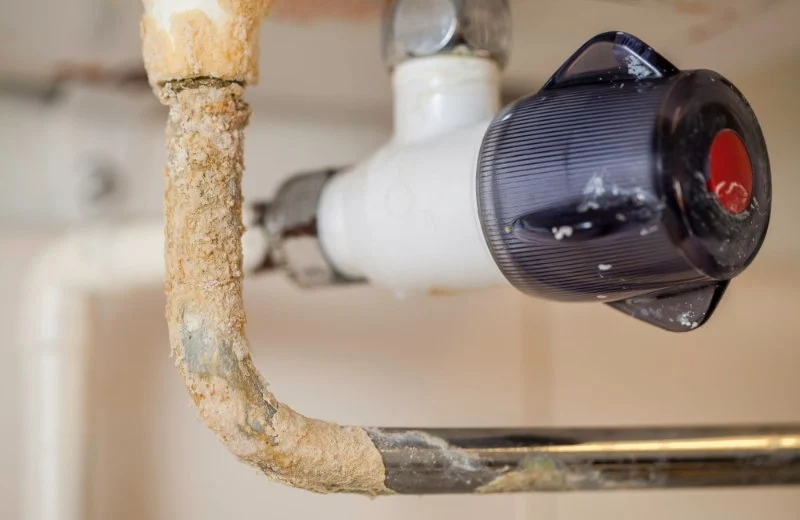
Understanding the origin of water damage is crucial before attempting any repair. Plumbing system failures can occur in various areas, including leaky pipes, broken valves, malfunctioning water heaters, or sewer backflows. Accurately pinpointing the source helps prevent recurring problems and ensures that repair efforts address the root cause rather than just the visible effects.
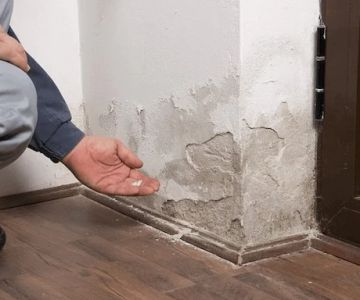
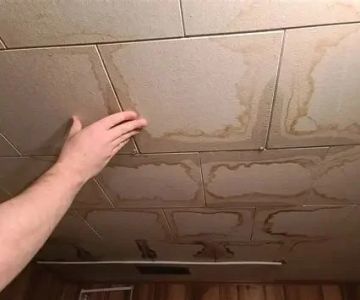
Common indicators of plumbing failures include damp spots on walls or ceilings, discoloration, mold growth, and unusual water pressure changes. Carefully inspecting your home and using moisture detection tools can help you locate hidden leaks, giving you a clear starting point for repair.
SERVPRO of Pompano Beach / servpro of santa maria
Pompano BeachBroward CountyFlorida
2101 NW 33rd St #200a, Pompano Beach, FL 33069, USA
2. Immediate Actions to Mitigate Damage
Once water damage is detected, prompt action is essential to minimize loss. Immediate steps include:
- Shut off the water supply: Turning off the main water valve prevents further flooding and reduces the area affected by the leak.
- Remove standing water: Use mops, towels, or wet/dry vacuums to eliminate excess water, which helps prevent structural damage and mold growth.
- Protect valuables: Move furniture, electronics, and personal items away from wet areas to avoid permanent damage.
- Ventilate the space: Open windows and use fans to improve air circulation, aiding in the drying process.
Swift action reduces repair costs and prevents long-term issues such as warped flooring, ceiling collapse, or extensive mold infestation.
3. Assessing Structural and Cosmetic Impact
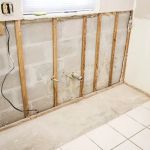
Water damage can affect multiple layers of your home, including drywall, flooring, and insulation. Conduct a thorough assessment to determine the extent of structural compromise. Check for:
- Soft or sagging drywall and ceilings.
- Warped or discolored hardwood, laminate, or tile flooring.
- Compromised insulation behind walls or under floors.
- Signs of mold growth or musty odors.
Understanding the full scope of damage helps prioritize repairs, ensuring that structural integrity is restored alongside cosmetic restoration.
4. Drying and Dehumidification Techniques
Proper drying is essential to prevent mold growth and long-term deterioration. Effective techniques include:
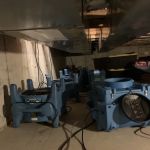
- High-capacity dehumidifiers: These remove moisture from the air efficiently, helping to dry walls and flooring.
- Fans and air movers: Direct airflow across wet surfaces accelerates drying.
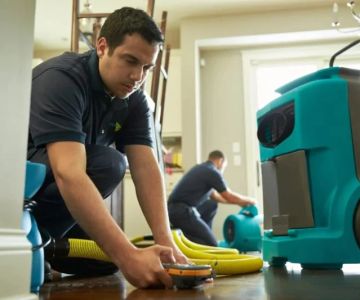
- Moisture monitoring: Regularly check humidity levels and moisture content in walls and floors to confirm that areas are fully dry.
- Specialized drying equipment: For severe water damage, professional-grade heaters and drying chambers may be necessary.
Combining these techniques ensures that both visible and hidden areas are properly dried, reducing the risk of mold and secondary damage.
5. Repairing or Replacing Damaged Plumbing
Addressing the source of the problem involves repairing or replacing affected plumbing components. This may include:
- Fixing leaks: Tighten or replace joints, valves, and pipe segments as needed.
- Replacing faulty fixtures: Toilets, faucets, and water heaters that contributed to the failure should be repaired or upgraded.
- Upgrading piping systems: In older homes, corrosion-prone pipes may require complete replacement to prevent future damage.
Reliable Damage Hub offers guidance on sourcing quality plumbing materials and selecting professional repair services to ensure long-term reliability and safety.
6. Cleaning and Sanitizing Affected Areas
Water from plumbing failures often carries contaminants that require thorough cleaning and disinfection. Essential steps include:
- Scrubbing surfaces with antimicrobial cleaners.
- Disinfecting floors, walls, and structural elements exposed to water.
- Removing and safely disposing of porous materials that cannot be fully sanitized, such as carpets, insulation, or drywall.
- Using mold inhibitors to prevent fungal growth during the drying phase.
Proper cleaning ensures a safe living environment and minimizes health risks associated with water damage.
7. Preventive Measures to Avoid Future Damage
Once repairs are completed, implementing preventive strategies protects your home from future water damage:
- Regular inspection of pipes, valves, and appliances.
- Installing leak detectors and automatic shut-off systems.
- Proper insulation of pipes in cold climates to prevent bursts.
- Routine maintenance of water heaters, sump pumps, and plumbing fixtures.
These measures reduce the likelihood of emergency repairs and provide peace of mind for homeowners.
8. Real-Life Case Studies
Consider a case where a faulty water heater caused flooding in a kitchen and basement. Immediate action, including shutting off the water and moving valuables, limited the damage. Professional drying equipment and plumbing repair restored the home efficiently. Homeowners who used Reliable Damage Hub’s resources found durable solutions and guidance, preventing future issues.
Another example involves a burst pipe in an older apartment. Early detection through moisture sensors, combined with structured repair and sanitization procedures, minimized structural and cosmetic damage. This demonstrates the importance of combining technology, expert advice, and swift response to protect property and health.
9. When to Call Professional Help
While minor leaks can be addressed independently, certain scenarios require professional intervention:
- Extensive flooding affecting multiple rooms or structural elements.
- Persistent mold or unusual odors after initial drying attempts.
- Complicated plumbing systems requiring replacement or upgrade.
- Water damage affecting electrical systems or gas lines.
Reliable Damage Hub connects homeowners with certified water damage restoration and plumbing experts to handle complex cases safely and efficiently.
10. Long-Term Maintenance Tips
Maintaining your home after a water damage event involves ongoing vigilance. Key strategies include:
- Scheduling routine inspections of plumbing systems and appliances.
- Monitoring for leaks, damp spots, and humidity changes regularly.
- Maintaining a maintenance log to track repairs, replacements, and inspections.
- Educating household members on proper use of plumbing fixtures to prevent accidental damage.
With consistent attention and professional guidance from Reliable Damage Hub, homeowners can protect their investment, prevent recurring water damage, and maintain a safe, healthy environment for years to come.
 Bewise Master, Inc5.0 (42 reviews)
 Prime Restoration5.0 (3 reviews)
 Voda Cleaning & Restoration of Chapel Hill - Durham5.0 (24 reviews)
 Rainbow Restoration of Sioux Falls4.0 (87 reviews)
 Clean Pro Rescue5.0 (1 reviews)
 S.W.A.T. RESTORATION4.0 (232 reviews)
 How to Restore Water-Damaged Electronics Safely at Home
 What You Need to Know About Water Damage in Your Car
 Water Damage Restoration for Office Buildings: Essential Steps and Prevention Tips
 The Best Ways to Handle Water Damage Restoration on a Budget
 How to Restore Water-Damaged Laminate Countertops Effectively
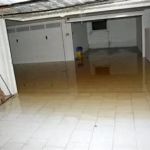 How to Handle Water Damage Restoration in Your Car Garage