
- 1-Understanding Water Damage After a Flood
- 2-The Water Damage Restoration Process
- 3-Assessing the Extent of Damage
- 4-How to Prevent Further Damage
- 5-Choosing the Right Water Damage Restoration Company
- 6-Real-Life Case Study of Water Damage Restoration
1. Understanding Water Damage After a Flood
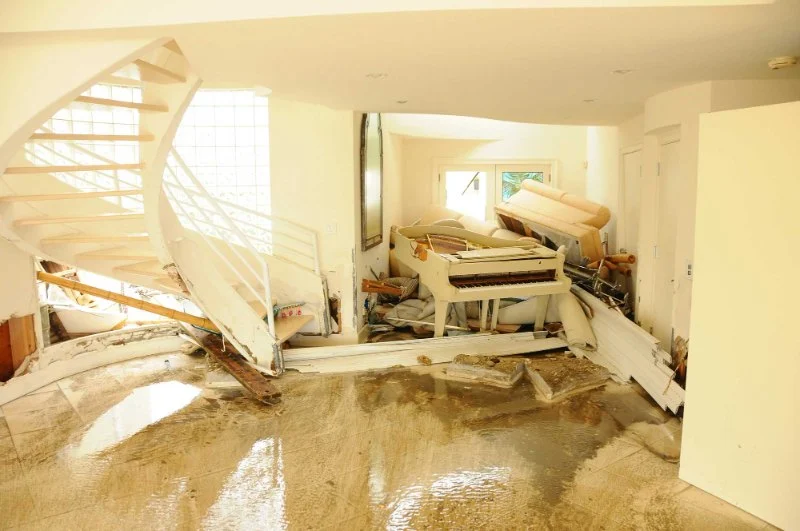
Water damage after a flood can be one of the most overwhelming challenges homeowners face. Whether caused by natural disasters, heavy rainfall, or burst pipes, floodwater can infiltrate your home, causing significant damage to both the structure and your belongings. Understanding the types of water damage and the risks involved is crucial for effective restoration.
There are three primary categories of water damage: clean water (from broken pipes or rain), gray water (from washing machines or dishwashers), and black water (contaminated water, such as from sewage). The extent of the damage and the potential health risks depend on the type of water that has flooded your home. Black water, for example, can carry harmful bacteria and pathogens, making professional restoration even more critical.
Drip Restoration / valleywide restoration mesa az
932 S Stapley Dr, Mesa, AZ 85204, USA
2. The Water Damage Restoration Process
Restoring your home after a flood involves several critical steps. These steps are essential to ensure that the property is safe to inhabit again and that future issues like mold growth are prevented. The typical water damage restoration process includes:
- Emergency Response: The first step in the restoration process is ensuring that the water source is stopped and the area is made safe. This may involve shutting off utilities and moving any valuable items out of the flooded area.
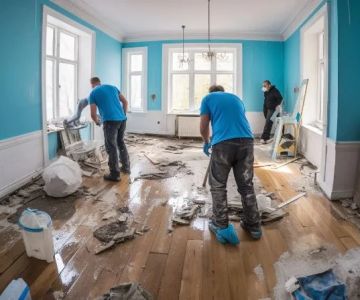
- Water Extraction: Using professional-grade pumps and vacuums, the standing water is quickly removed to prevent further damage. The longer water sits, the more damage it can cause, so speed is crucial.
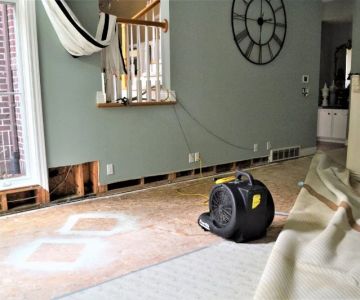
- Drying and Dehumidification: After the water is extracted, drying and dehumidification begin. Fans, heaters, and industrial dehumidifiers are used to remove excess moisture from walls, floors, and furniture.
- Cleaning and Sanitization: Once the area is dry, cleaning and sanitizing are essential, especially if the water was contaminated. This ensures that mold and bacteria are eliminated, and the space is safe to live in again.
- Restoration: Finally, once all cleaning and drying have been completed, the restoration process begins. This may include repairing drywall, replacing damaged flooring, and restoring any structural issues caused by the floodwaters.
3. Assessing the Extent of Damage
Before restoration can begin, it’s essential to assess the full extent of the damage. This assessment typically includes the following steps:
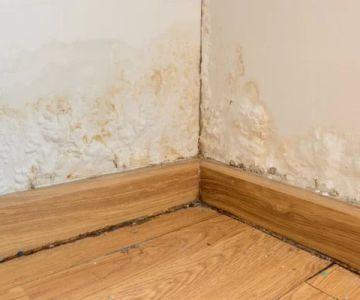
- Visual Inspection: Inspect the property for visible signs of water damage, including swelling or warping in floors, walls, and furniture.
- Moisture Mapping: Professional restoration teams use tools like moisture meters and infrared cameras to detect hidden pockets of moisture within walls, ceilings, and floors. This helps identify areas that may need more intensive drying.
- Structural Assessment: Structural integrity is a significant concern after a flood. A professional team will evaluate the foundation, framing, and structural materials to ensure they are safe to inhabit.
4. How to Prevent Further Damage
Preventing further water damage after a flood is essential to avoid unnecessary repairs and protect your home from long-term issues. Here are some tips:
- Act Quickly: The quicker you can begin the restoration process, the less time water has to seep into materials and cause irreversible damage. Even after the water is removed, moisture can linger and cause problems like mold growth.
- Remove Wet Items: If possible, remove wet furniture, rugs, and personal belongings from the flooded area. This not only reduces the spread of water but also helps preserve your items.
- Ventilate the Area: Open windows and doors if the weather allows to promote airflow. This can help reduce humidity levels and speed up the drying process.
- Call a Professional: Water damage restoration professionals have the right tools and expertise to deal with flood damage quickly and efficiently. Attempting to do it yourself can lead to further damage or health risks.
5. Choosing the Right Water Damage Restoration Company
Choosing the right water damage restoration company is crucial to ensuring that your home is properly restored and protected from future damage. Here are some things to look for when selecting a company:
- Experience and Certification: Look for a company that has experience in flood damage restoration and is certified by the Institute of Inspection, Cleaning, and Restoration Certification (IICRC). This ensures that they follow industry standards for quality and safety.
- Emergency Services: Flooding can happen at any time, so choose a company that offers 24/7 emergency response services. Immediate action is critical in minimizing damage.
- Comprehensive Services: The company should offer a full range of services, from water extraction and drying to cleaning and repair, ensuring that all aspects of the restoration are handled in one place.
- Insurance Assistance: Many restoration companies work directly with your insurance provider. Make sure the company is able to help navigate the claims process, so you can focus on getting your home back to normal.
6. Real-Life Case Study of Water Damage Restoration
One example of successful water damage restoration involves a family in New Orleans whose home was flooded after a severe storm. The floodwaters quickly damaged their floors, furniture, and walls. By calling a professional restoration company immediately, they were able to begin the cleanup process quickly, preventing further damage from mold. The restoration company used industrial drying equipment, moisture mapping, and dehumidifiers to dry the entire home within a week. By working closely with their insurance company, the family was able to cover most of the costs of the restoration.
This case highlights the importance of acting quickly and hiring professionals who have the experience and equipment necessary to restore a home after a flood. Delaying the restoration process can result in more extensive damage and a longer recovery period.
If you're dealing with water damage after a flood, don’t hesitate to reach out to Reliable Damage Hub for expert advice, product recommendations, and restoration services to help you get your home back to its original condition.
 Good Roads Water Damage Experts5.0 (1 reviews)
 R&R Foundation Specialist4.0 (305 reviews)
 MJ White4.0 (102 reviews)
 ATI Restoration3.0 (25 reviews)
 Modernistic4.0 (251 reviews)
 ServiceMaster Cleaning Services4.0 (27 reviews)
 Water Damage Restoration for Retail Spaces – Expert Tips and Real Cases
 How to Prevent and Repair Water Damage in Commercial Properties
 How to Protect Your Home’s Electrical System from Water Damage: Essential Tips
 Flooded Basement? Here’s How to Restore It Safely
 How to Handle Water Damage After a Storm: A Step-by-Step Guide
 How to Handle Water Damage from Burst Pipes: A Step-by-Step Guide