
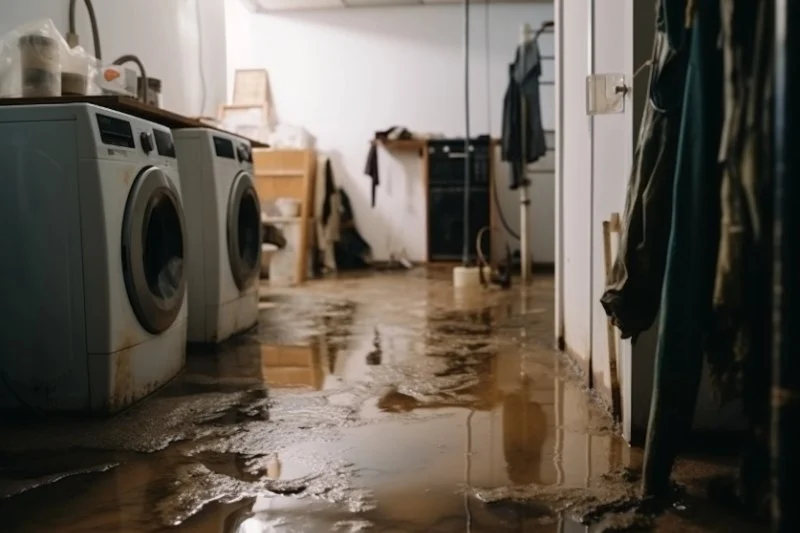
What Are the Signs of Water Damage That Homeowners Often Miss?
- Common Signs of Hidden Water Damage
- Water Damage in Walls and Ceilings
- Signs of Water Damage on Floors
- The Role of Mold and Mildew in Water Damage
- Real-Life Examples of Missed Water Damage
Common Signs of Hidden Water Damage
Water damage is often subtle and can go unnoticed for a long time, especially in hidden or hard-to-reach areas of your home. Homeowners typically miss some of the early warning signs, leading to more extensive damage over time. The key is to regularly check areas of your home that are more susceptible to water intrusion and pay attention to changes in the structure or materials. Below are some common signs of hidden water damage that homeowners often overlook:
Giants / dry kings restoration of san francisco
San FranciscoSan Francisco CountyCalifornia
685 Geary Blvd, San Francisco, CA 94102, USA
1. Discoloration or Staining
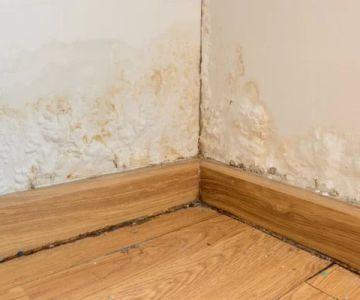
One of the earliest signs of water damage is the appearance of discoloration or stains on walls, ceilings, or floors. These stains can indicate that water has been seeping into the material over time. Homeowners often miss these signs if they don’t inspect areas like behind furniture, under rugs, or in attic spaces where leaks may occur. Over time, these stains can grow larger and more obvious, signaling the need for immediate attention.
SERVPRO of Pompano Beach / servpro of santa maria
Pompano BeachBroward CountyFlorida
2101 NW 33rd St #200a, Pompano Beach, FL 33069, USA
2. Musty Odors
A persistent musty smell in certain areas of your home can be an indication of hidden water damage. Water that accumulates in walls, under floors, or in insulation can create the perfect environment for mold and mildew growth. Even if you don’t see visible mold, a musty smell is a clear warning sign that water damage may be present and needs investigation.
3. Peeling or Bubbling Paint
Paint or wallpaper peeling or bubbling can be a result of water absorption. If the paint starts to peel or bubble up on walls or ceilings, especially in areas near windows or under the roof, it’s a strong indication that water has been affecting the surface. This is often caused by leaks in the roofing or around windows, and homeowners can easily miss it if they don’t examine the affected area closely.
Water Damage in Walls and Ceilings
Walls and ceilings are some of the most common places where water damage can occur, but they are often overlooked by homeowners. It’s important to look out for signs of water damage in these areas, as they can be critical in detecting leaks early.
1. Soft or Sagging Ceilings
If you notice that your ceiling feels soft to the touch or is sagging, it could be a sign that water has been pooling in the area above. A sagging ceiling is often a result of a leaking roof, plumbing pipes, or a burst pipe. Left unchecked, this could lead to structural damage and even potential collapse. If you detect this issue, it’s best to act quickly and call a professional to investigate further.
2. Warped or Soft Walls
Water can seep into drywall or plaster, causing it to become soft or warped. You may notice that the wall feels spongy when you press on it or that the texture of the wall has changed. This is often a sign that water has been seeping through from behind the wall, whether from a leaking pipe, roof, or window seal. In some cases, the damage can be subtle and go unnoticed until the problem worsens.
Signs of Water Damage on Floors
Water damage on flooring is more obvious than in walls or ceilings, but it’s still easy for homeowners to overlook certain signs. Floors, whether hardwood, laminate, carpet, or tile, can all be vulnerable to water damage if there is a persistent leak or if the area has been exposed to excessive moisture.
1. Warped Hardwood Floors
Wooden floors are particularly sensitive to moisture. If your hardwood floors start to warp, buckle, or swell, it could be due to water absorption. Homeowners often miss this sign if the warping is slight or confined to a small area. A small, unnoticed leak over time can cause significant damage to your hardwood floors, making it important to inspect the flooring for these signs regularly.
2. Moldy Carpet or Flooring
Carpets and other types of flooring can absorb moisture from leaks, leading to the growth of mold and mildew. A musty or damp smell coming from the carpet or the floor can indicate that water has been trapped under the surface, causing mold to grow. If not addressed, this can lead to both health problems and significant damage to the flooring.
The Role of Mold and Mildew in Water Damage
Mold and mildew are common consequences of water damage, especially if the water isn’t dealt with promptly. These fungi thrive in moist environments, and once they begin growing, they can spread quickly, causing further damage to your home. While visible mold is easy to spot, homeowners often miss the early signs of mildew growth, which can also lead to more serious issues later on.
1. Black or Green Spots
If you notice black or green spots on walls, ceilings, or floors, this could be mold or mildew growth. These spots are often hidden behind furniture or inside cabinets, making them easy to miss. Even if you don’t see visible mold, the presence of these spots could be an indication that water damage is present, and mold growth is imminent.
2. Respiratory Issues or Allergies
If you or your family members start experiencing unexplained respiratory issues, allergies, or asthma-like symptoms, it could be due to mold or mildew growth caused by water damage. These symptoms can often be subtle and go unnoticed until the mold problem has worsened. If you suspect water damage, check for signs of mold growth and address the problem immediately to protect your health.
Real-Life Examples of Missed Water Damage
Sometimes, the signs of water damage are missed until they cause significant damage. Let’s take a look at a couple of real-life examples of homeowners who missed the early warning signs:
Case Study 1: The Hidden Leak
A homeowner in Florida noticed a musty smell in their basement but dismissed it as dampness from humidity. Over time, the smell grew stronger, and eventually, they discovered that a leaking pipe in the ceiling had caused water to seep into the walls. The delayed discovery led to extensive mold growth and costly repairs.
Case Study 2: Warped Floors from a Slow Leak
Another homeowner in Texas noticed that their hardwood floors were slightly warped but didn’t think much of it. It wasn’t until a section of the flooring completely buckled that they realized the problem was due to a slow leak in the bathroom above. The leak had been dripping for months, causing the damage to slowly worsen.
If you're concerned about water damage in your home, visiting Reliable Damage Hub can help you find the best products and services to address water-related issues effectively.
 Good Roads Water Damage Experts5.0 (1 reviews)
 R&R Foundation Specialist4.0 (305 reviews)
 MJ White4.0 (102 reviews)
 ATI Restoration3.0 (25 reviews)
 Modernistic4.0 (251 reviews)
 ServiceMaster Cleaning Services4.0 (27 reviews)
 Water Damage Restoration for Retail Spaces – Expert Tips and Real Cases
 How to Prevent and Repair Water Damage in Commercial Properties
 How to Protect Your Home’s Electrical System from Water Damage: Essential Tips
 Flooded Basement? Here’s How to Restore It Safely
 How to Handle Water Damage After a Storm: A Step-by-Step Guide
 How to Handle Water Damage from Burst Pipes: A Step-by-Step Guide