
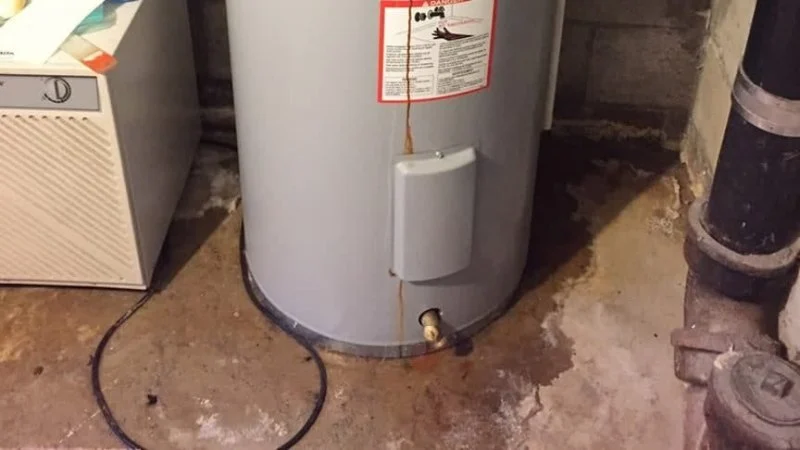
How to Handle Water Damage From Burst Water Heaters
- 1- Understanding the Damage Caused by Burst Water Heaters
- 2- Immediate Actions to Take When a Water Heater Bursts
- 3- Preventing Future Burst Water Heater Incidents
- 4- When to Call for Professional Help
- 5- Insurance Coverage for Water Damage and Claims
1- Understanding the Damage Caused by Burst Water Heaters
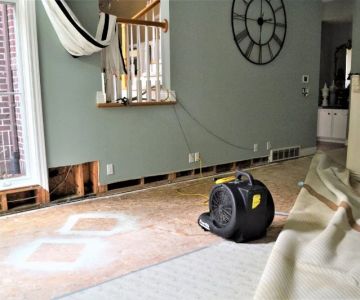
A burst water heater can cause extensive water damage in a very short time. When a water heater bursts, it typically results in flooding, which can damage floors, walls, insulation, and electrical systems. The severity of the damage depends on the amount of water that leaks, how long it takes to notice the issue, and the areas affected.
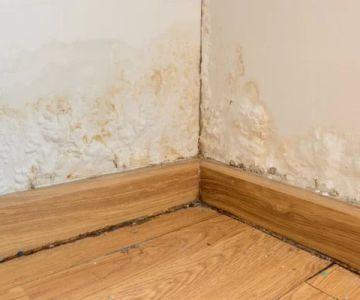
It’s important to understand that water heater damage can also lead to mold growth if the area isn’t properly dried and cleaned. Mold can begin to grow within 24 to 48 hours in the right conditions, making it crucial to act quickly to mitigate the damage.
Giants / dry kings restoration of san francisco
San FranciscoSan Francisco CountyCalifornia
685 Geary Blvd, San Francisco, CA 94102, USA
2- Immediate Actions to Take When a Water Heater Bursts
If your water heater bursts, here’s what you should do immediately:
- Shut Off the Water Supply: Turn off the water supply to your water heater by locating the valve and shutting it off to prevent further water from leaking.
- Turn Off the Power Supply: If you have an electric water heater, turn off the power at the circuit breaker to avoid electrical hazards. For gas water heaters, turn off the gas supply to prevent leaks.
- Start Draining the Water: If possible, start draining the water from the tank by opening the drain valve. This will help reduce the amount of water leaking into your home.
- Move Valuables: Quickly move any furniture, electronics, or other valuables from the affected area to prevent further damage.
- Assess the Damage: Inspect the affected areas to understand the extent of the damage and document everything for insurance purposes.
3- Preventing Future Burst Water Heater Incidents
To prevent future water heater issues, regular maintenance is key. Here are a few tips to help extend the life of your water heater and avoid potential bursts:
- Flush the Tank Regularly: Sediment can build up at the bottom of your water heater over time. Flushing the tank annually helps prevent this buildup and improves efficiency.
- Inspect the Pressure Relief Valve: The pressure relief valve helps prevent the water heater from over-pressurizing. Ensure it is working properly and replace it if necessary.
- Check for Leaks: Regularly inspect your water heater for any signs of leaks. If you notice any, address them immediately before they become major problems.
- Replace Old Water Heaters: Water heaters have a limited lifespan. Consider replacing your water heater every 10 to 15 years to prevent unexpected failures.
4- When to Call for Professional Help
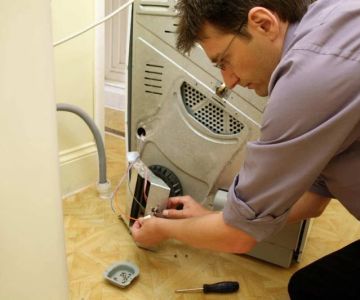
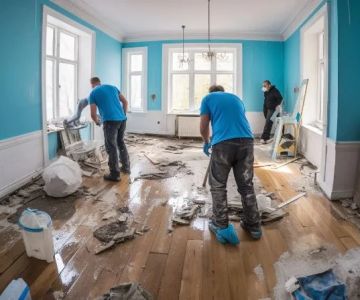
If you’re unsure about how to handle the situation or if the damage is too severe, don’t hesitate to call in a professional. A plumber or water damage restoration expert can assess the damage, perform repairs, and ensure that everything is dried out to prevent mold growth. Additionally, they can advise on whether the water heater needs to be replaced or repaired.
SERVPRO of Pompano Beach / servpro fort lauderdale south
Pompano BeachBroward CountyFlorida
2101 NW 33rd St #200a, Pompano Beach, FL 33069, USA
5- Insurance Coverage for Water Damage and Claims
Water damage from a burst water heater may be covered by your homeowner’s insurance, but it’s important to understand your policy. Here’s what you should know:
- Check Your Coverage: Review your homeowner’s insurance policy to see if water damage from plumbing issues is covered. Some policies may not cover water damage if the incident was caused by lack of maintenance or old equipment.
- File a Claim Immediately: Contact your insurance company as soon as possible to file a claim. Provide them with all necessary documentation, including photos of the damage and any repair estimates.
- Deductibles: Be aware of any deductibles you may need to pay out-of-pocket before your insurance kicks in to cover the damage.
Water heater bursts can cause significant damage, but with quick action, preventive maintenance, and professional help, you can reduce the long-term impact and restore your home to its former condition. Always be proactive in maintaining your water heater to avoid costly repairs in the future.
 Good Roads Water Damage Experts5.0 (1 reviews)
 R&R Foundation Specialist4.0 (305 reviews)
 MJ White4.0 (102 reviews)
 ATI Restoration3.0 (25 reviews)
 Modernistic4.0 (251 reviews)
 ServiceMaster Cleaning Services4.0 (27 reviews)
 Water Damage Restoration for Retail Spaces – Expert Tips and Real Cases
 How to Prevent and Repair Water Damage in Commercial Properties
 How to Protect Your Home’s Electrical System from Water Damage: Essential Tips
 Flooded Basement? Here’s How to Restore It Safely
 How to Handle Water Damage After a Storm: A Step-by-Step Guide
 How to Handle Water Damage from Burst Pipes: A Step-by-Step Guide