
- Understanding Water Damage in Residential Systems
- How to Identify Water Damage Sources in Your Home
- Step-by-Step Process for Repairing Water Damage
- Tools and Materials Required for Repairing Water Damage
- How to Prevent Future Water Damage in Residential Systems
- When to Call a Professional for Water Damage Repair
1. Understanding Water Damage in Residential Systems
Water damage in residential systems can affect a wide range of components, including your walls, ceilings, floors, electrical systems, and even your foundation. It can occur for several reasons, from leaking pipes and poor roof maintenance to flood damage or appliance malfunctions. Understanding how water damage can affect these systems is essential to preventing long-term structural issues and mold growth. In the next sections, we'll walk you through the common signs of water damage and the steps to repair it effectively.
2. How to Identify Water Damage Sources in Your Home
Before starting any repairs, it’s crucial to identify the source of water damage. Common causes include:
- Leaking Pipes: Water stains on walls or ceilings often indicate a leaking pipe behind the surface.
- Damaged Roof: Roof leaks from missing shingles, broken flashing, or clogged gutters can lead to water seepage.
- Faulty Appliances: Dishwashers, washing machines, and water heaters are common culprits of leaks if they malfunction or are improperly installed.
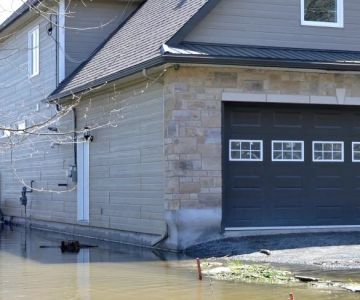
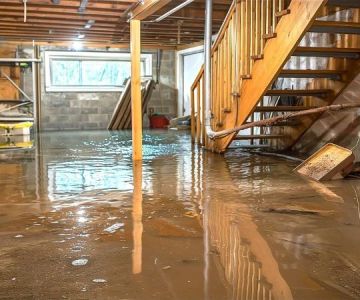
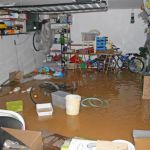
- Flooding: Heavy rains or plumbing failures can flood basements or crawlspaces, causing extensive water damage to flooring and walls.
Inspect your home thoroughly to find the source of the water. You can often pinpoint leaks by tracing water stains or using moisture meters to detect hidden water sources inside walls or floors.
3. Step-by-Step Process for Repairing Water Damage
Once the source of the water damage has been located and stopped, you can begin the repair process. Here’s how to proceed:
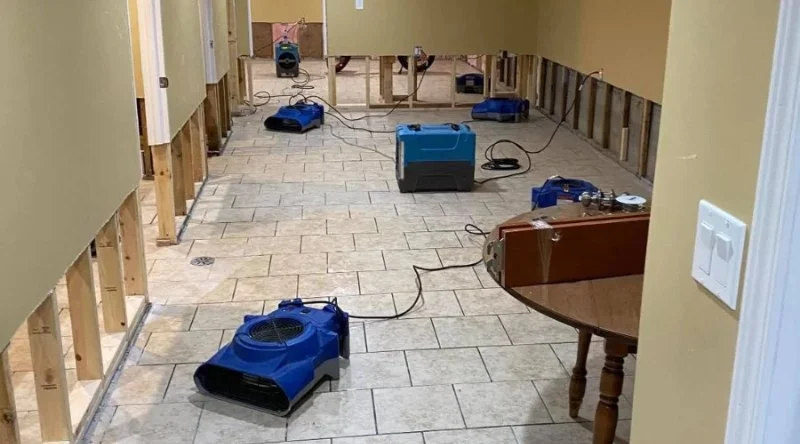
- Step 1: Dry the Area – Before starting repairs, ensure the affected area is completely dry. Use dehumidifiers and fans to accelerate the drying process and prevent mold growth.
- Step 2: Assess the Damage – Evaluate the extent of the damage. Minor water damage may only require surface repairs, while more severe damage could involve replacing materials like drywall, insulation, or flooring.
- Step 3: Clean and Disinfect – Water damage can bring in contaminants like dirt, bacteria, or mold. Clean and disinfect the affected areas thoroughly before beginning repairs.
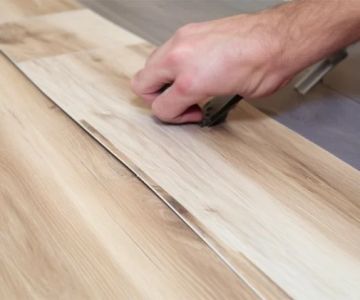
- Step 4: Repair the Structural Damage – Depending on the severity of the damage, you may need to replace drywall, trim, insulation, or flooring. For water-damaged wood, replace any warped or weakened structural elements.
- Step 5: Restore Aesthetic Damage – After fixing the structural damage, touch up paint or wallpaper and re-install any removed trim, moldings, or other decorative elements.
Ensure the area is thoroughly dried and restored to prevent further issues. Water damage repair can take several days depending on the extent of the damage, so patience is key.
4. Tools and Materials Required for Repairing Water Damage
Having the right tools and materials can make water damage repair much easier. Some of the essentials include:
- Drying Equipment: Dehumidifiers, fans, and moisture meters are essential for drying out affected areas and preventing mold growth.
- Repair Materials: You’ll likely need replacement drywall, wood, insulation, or flooring depending on the damage.
- Sealants and Adhesives: For minor repairs, adhesives or sealants can help close small cracks and gaps caused by water damage.
- Safety Gear: Wear gloves, masks, and goggles while working to protect yourself from any mold or harmful chemicals during the repair process.
Ensure all tools and materials are ready before beginning repairs to make the process smoother and faster.
5. How to Prevent Future Water Damage in Residential Systems
Preventing future water damage involves taking steps to maintain your home’s systems. Here’s how you can reduce the risk:
- Maintain Plumbing: Regularly check pipes for leaks, ensure appliances are properly installed, and replace old hoses or fixtures.
- Inspect the Roof: Ensure your roof is in good condition, with no missing shingles, cracked flashing, or other issues. Regular roof inspections can prevent leaks.
- Proper Drainage: Ensure gutters and downspouts are free from debris and direct water away from the foundation.
- Install a Sump Pump: If your home is prone to flooding, installing a sump pump can help direct water away from your foundation during heavy rain.
Implementing these preventive measures can save you from costly repairs and ensure that your home remains safe and dry.
6. When to Call a Professional for Water Damage Repair
While minor water damage can often be handled by homeowners, severe damage may require professional assistance. Consider calling a professional if:
- The Damage Is Extensive: If multiple rooms are affected or if structural damage is severe, professionals have the tools and expertise to address the issue properly.
- Mold Growth Is Present: If mold has started growing, it’s essential to call a professional to ensure proper removal and prevent future contamination.
- You Don’t Have the Time or Tools: If you’re unable to properly dry and repair the damage yourself, hiring a professional can save time and ensure the work is done right.
Hiring a professional ensures that repairs are done safely and effectively, providing long-lasting protection for your home.
 SHACK SHINE5.0 (309 reviews)
 My Own Restoration3.0 (3 reviews)
 Todd Thomas Home Improvements4.0 (183 reviews)
 Tiger C Construction, LLC4.0 (116 reviews)
 RESTORx of Washington4.0 (109 reviews)
 ADU Water Fire Mold Storm5.0 (57 reviews)
 How to Manage Water Damage After a Hurricane: Restoration Tips
 Water Damage Restoration for High-Rise Buildings: Key Insights & Solutions
 How to Restore Water-Damaged Furniture and Carpets
 What to Expect During a Water Damage Inspection: A Homeowner's Guide
 How to Manage Water Damage During a Flood or Flash Flood
 Water Damage Cleanup in a Commercial Space: What to Expect