
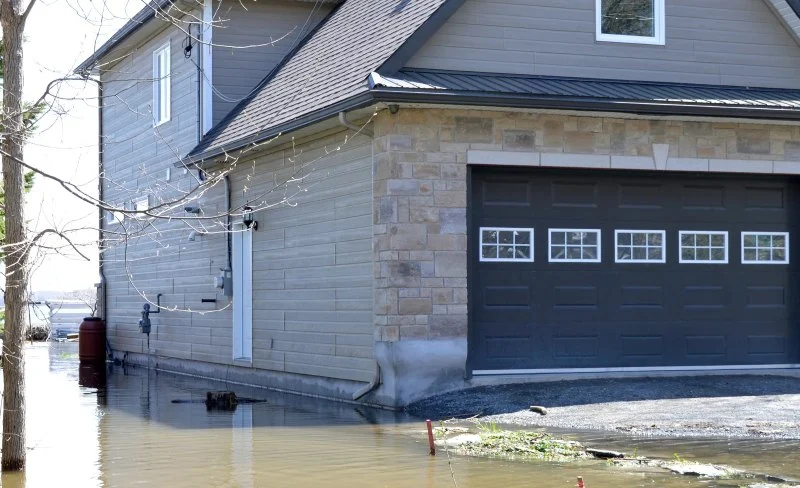
What to Do If Floodwater Enters Your Home Unexpectedly
- 1. Immediate Actions to Take
- 2. Safety First: Prioritizing Your Well-Being
- 3. Preventing Further Damage
- 4. Starting the Cleanup Process
- 5. When to Call for Professional Help
1. Immediate Actions to Take
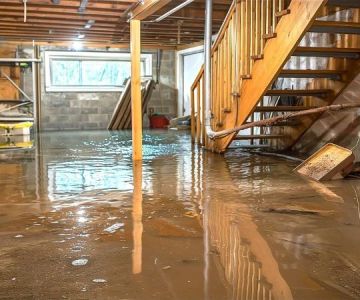
Floodwaters can enter your home unexpectedly, and it’s crucial to act quickly to reduce damage and ensure your safety. Here are the first things to do when you realize that floodwater is entering your home:
SERVPRO of Pompano Beach / servpro fort lauderdale south
Pompano BeachBroward CountyFlorida
2101 NW 33rd St #200a, Pompano Beach, FL 33069, USA
1.1. Shut Off Utilities
If it's safe to do so, immediately turn off the power, water, and gas supplies to your home. This will help prevent electrical hazards and further damage to your plumbing system. Be sure to wear rubber boots to avoid electrical shock from any standing water.
Giants / dry kings restoration of san francisco
San FranciscoSan Francisco CountyCalifornia
685 Geary Blvd, San Francisco, CA 94102, USA
1.2. Evacuate If Necessary
If the floodwater is rising rapidly, your safety should be the top priority. Evacuate your home if necessary, especially if you’re in a flood-prone area or if the water is quickly reaching dangerous levels. Don’t wait for official evacuation orders; trust your instincts when your safety is at risk.
1.3. Move Important Items to Higher Ground
Quickly move valuables, electronics, and any items that are irreplaceable to higher ground to prevent them from being damaged by the floodwater. If you have time, use plastic bags or waterproof containers to protect important documents.
2. Safety First: Prioritizing Your Well-Being
Before diving into the cleanup process, prioritize your safety. Floodwater can carry debris, contaminants, and harmful bacteria, so it’s essential to approach the situation with caution.
2.1. Avoid Walking Through Floodwater
Even if the water doesn’t seem too deep, floodwater can contain dangerous substances like sewage, chemicals, or sharp debris. Avoid wading through the water unless absolutely necessary, and wear protective gear such as rubber boots and gloves if you must walk through it.
2.2. Watch for Structural Damage
If the floodwater has entered your home, there may be damage to the foundation or structural integrity of your house. Look for signs of cracks or shifts in the walls and foundation. If you notice significant damage, stay outside and wait for a professional inspection.
3. Preventing Further Damage
Once you’ve ensured your safety, it’s time to start preventing further damage to your home. This involves stopping the flow of water and taking steps to minimize destruction to your property and belongings.
3.1. Block Openings
Use sandbags or other available materials to block doors, windows, or vents that may allow more water into your home. Sealing off these entry points can help reduce the amount of water flooding your living space.
3.2. Pump Out Water
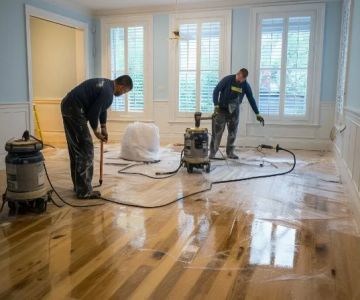
If the water has already flooded your home, use a sump pump or a wet-dry vacuum to remove the standing water. Start from the highest areas of your home and work your way down to avoid making the flooding worse in other parts of your home.
3.3. Remove Wet Materials
Remove any wet carpets, rugs, or upholstered furniture as soon as possible. These materials can absorb water and lead to mold growth if left in place. Store them outside or in a dry area until they can be cleaned or replaced.
4. Starting the Cleanup Process
After taking steps to stop the floodwater from entering and minimizing further damage, it’s time to start the cleanup process. This is when you begin restoring your home to a livable condition.
4.1. Dry Out Your Home
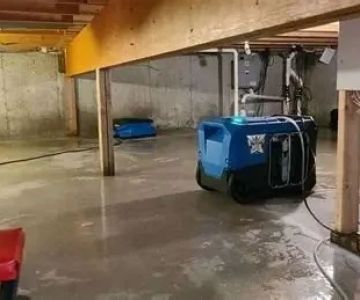
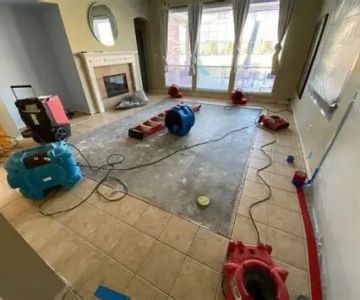
Using dehumidifiers and fans, dry out the waterlogged areas in your home. The longer water sits, the more damage it can do. Aim to dry your home within 48 hours to prevent mold and mildew from growing.
4.2. Clean and Disinfect
Floodwater can carry harmful bacteria and contaminants, so thorough cleaning and disinfection are essential. Use a disinfectant to clean surfaces, floors, and walls that have come into contact with floodwater. Be sure to follow the manufacturer’s instructions for proper use and safety precautions.
4.3. Check for Mold
Mold can start growing in as little as 24 hours after floodwater enters your home. Look for signs of mold growth in corners, behind furniture, and under carpets. If you detect mold, it’s best to call in professionals to remove it safely.
5. When to Call for Professional Help
In some cases, you may need to enlist the help of professionals to handle the aftermath of a flood. Here’s when to reach out for expert assistance:
5.1. Severe Water Damage
If the flood has caused severe damage to your home’s structure, foundation, or electrical systems, it’s crucial to call a professional restoration company. These experts can assess the damage, provide temporary repairs, and help with a full restoration.
5.2. Mold Remediation
If mold growth is detected, you should contact a professional mold remediation service. Mold can be hazardous to your health, so it’s essential to have it removed safely and effectively by trained specialists.
5.3. If You Are Unsure
If you’re unsure of how to proceed or feel overwhelmed, it’s always a good idea to call in professionals. They can offer guidance on the best course of action and ensure that your home is safe and free from further risks.
Conclusion
Floodwater entering your home unexpectedly is a challenging situation, but taking swift action can help minimize damage and protect your property. Always prioritize safety, act quickly to stop the water, and start the cleanup process as soon as possible. For personalized assistance and professional restoration services, visit Reliable Damage Hub for more information and the best solutions to help you recover after a flood.
 Core by KHI Spring TX5.0 (3 reviews)
 First Call Cleaning & Restoration, Inc4.0 (120 reviews)
 GSM Services4.0 (3133 reviews)
 Blue Kangaroo Packoutz of Harrisburg0.0 (0 reviews)
 Water Extraction Experts4.0 (42 reviews)
 Trademark Restoration Inc.4.0 (92 reviews)
 What to Expect During a Water Damage Restoration Service
 How to Prevent Water Damage in Your Home's Exterior
 Can Water Damage Cause Structural Problems in Your Home? | Prevention Tips
 Emergency Water Damage Cleanup: A Step-by-Step Guide for Homeowners
 Preventing Water Damage from Storms: What Every Homeowner Should Know
 Why Your HVAC System May Be at Risk of Water Damage and How to Prevent It