
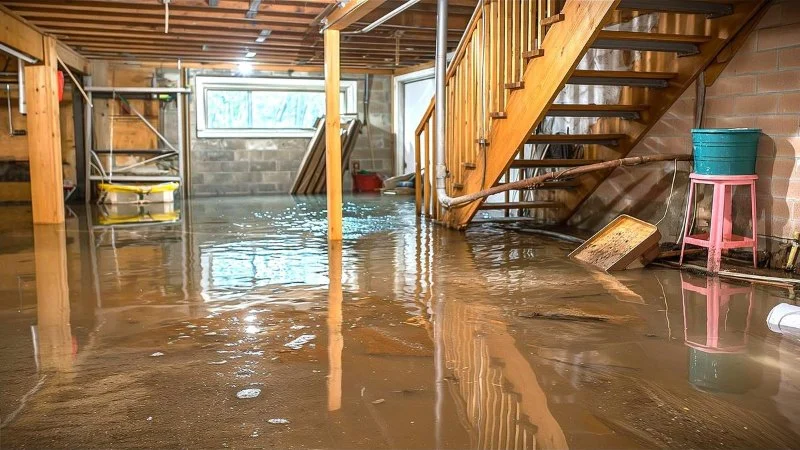
What to Do Immediately After a Burst Pipe Floods Your Home
Experiencing a burst pipe that floods your home can be an overwhelming and stressful situation. However, knowing how to act quickly and efficiently can make all the difference in minimizing the damage and preventing further complications. In this guide, we’ll walk you through the critical steps to take immediately after a burst pipe to protect your home and belongings from water damage.
- 1. Turn Off the Water Supply
- 2. Shut Off Electrical Power
- 3. Assess the Damage and Begin Cleanup
- 4. Call a Professional for Help
- 5. Prevent Future Burst Pipes
1. Turn Off the Water Supply
The first thing you need to do when a burst pipe floods your home is to stop the flow of water. Locate the main water shut-off valve and turn it off immediately. This will stop the water from pouring into your home, preventing further damage. If you’re unsure where the valve is located, check your home’s plumbing blueprint or contact a local plumber for guidance.
If you can’t find the main shut-off valve, you can turn off individual valves for the affected area (if accessible), but the main valve is the most effective way to stop the water flow completely.
Giants / dry kings restoration of san francisco
San FranciscoSan Francisco CountyCalifornia
685 Geary Blvd, San Francisco, CA 94102, USA
2. Shut Off Electrical Power
Water and electricity do not mix well, and flooding caused by a burst pipe can create a serious electrical hazard. To protect yourself and others in the home, turn off the electrical power at the main breaker. This will help prevent any electrical accidents while you assess the situation. If water has reached electrical outlets or appliances, avoid touching them and ensure the power is off before proceeding with any cleanup efforts.
If you're unsure about turning off the power, it's best to contact a licensed electrician or call emergency services for assistance.

Wizard Restorations Inc / puroclean of san fernando
Rancho CucamongaSan Bernardino CountyCalifornia
10245 8th St, Rancho Cucamonga, CA 91730, USA
3. Assess the Damage and Begin Cleanup
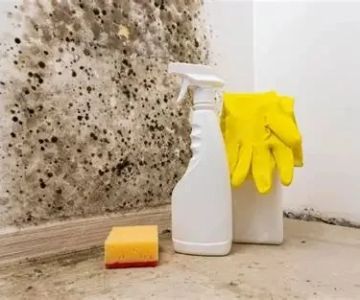
Once the water supply and electricity are turned off, it’s time to assess the damage. Check the affected area for water pooling, soaked furniture, carpets, or belongings. The sooner you can start the cleanup process, the better, as standing water can quickly damage materials and lead to mold growth.
3.1 Drying the Area
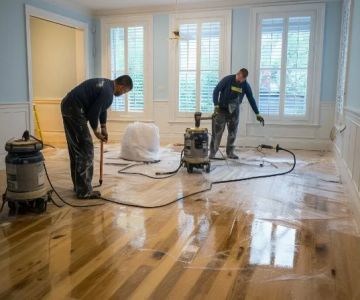
Use towels, mops, or a wet/dry vacuum to remove standing water as quickly as possible. If there is a lot of water, consider renting a professional-grade water extractor to assist with the cleanup. The faster you can dry the affected areas, the less damage your home will sustain.
3.2 Remove Wet Materials
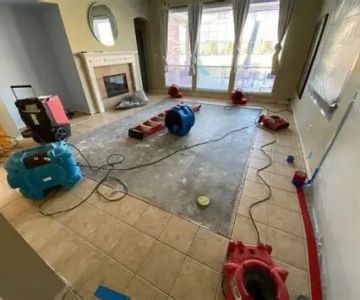
Remove any wet carpets, rugs, and furniture from the flooded area to prevent further water damage. If these items are severely soaked, they may need to be discarded to avoid mold growth. For less affected items, try to dry them thoroughly using fans, dehumidifiers, and air movers.
4. Call a Professional for Help
Handling the aftermath of a burst pipe flood can be difficult and time-consuming, so it’s crucial to call in professional help. Water damage restoration experts have the tools, experience, and knowledge to mitigate the damage and begin the restoration process safely and effectively.
4.1 Plumbing Services
Call a licensed plumber to inspect the burst pipe and determine the cause of the leak. A plumber will be able to repair the pipe and ensure that the issue is fixed, preventing further leaks. If the cause of the burst pipe is related to an underlying issue in the plumbing system, the plumber can advise you on necessary repairs to avoid future problems.
4.2 Water Damage Restoration
A water damage restoration company can help clean up and dry out the affected areas, including removing waterlogged materials, sanitizing, and restoring the property to its original condition. They’ll also handle moisture and mold testing, ensuring that your home is safe and secure after the flood.
5. Prevent Future Burst Pipes
Once the immediate damage has been dealt with, it’s essential to take steps to prevent future burst pipes. Freezing temperatures are one of the most common causes of burst pipes, so make sure to insulate exposed pipes, particularly in areas like basements, attics, and crawl spaces. You should also keep the heat on during extremely cold weather to avoid pipes freezing.
5.1 Regular Maintenance
Scheduling regular plumbing inspections can help identify issues early, such as pipe corrosion or weak spots, before they become a major problem. Preventative maintenance is key to avoiding the hassle and cost of burst pipes in the future.
5.2 Install Pipe Insulation
To protect your pipes from freezing during the winter months, consider installing foam pipe insulation or heat tape. These simple solutions can go a long way in preventing frozen and burst pipes, especially in colder climates.
If you’re dealing with a burst pipe, don’t hesitate to visit Reliable Damage Hub for expert advice and the best services to repair and restore your home. Whether you need a trusted plumber or professional water damage restoration, we’ve got you covered.

 Proper Dry5.0 (6 reviews)
 Champion5.0 (26 reviews)
 Sasser Restoration5.0 (1 reviews)
 Skyline Design & Remodel5.0 (10 reviews)
 Ronin Gutter Co5.0 (87 reviews)
 Advanced Waterproofing LLC4.0 (33 reviews)
 Water Damage Restoration for Industrial Offices
 How to Deal with Water Damage in a Mobile Home
 Water Damage Repair for Outdoor Wooden Structures: A Complete Guide
 Water Damage in Crawl Spaces: Prevention and Repair Strategies for Homeowners
 How to Prevent Water Damage from Excessive Humidity in Your Home | Reliable Damage Hub
 How to Handle Storm Water Damage: Tips for Quick Cleanup and Restoration