
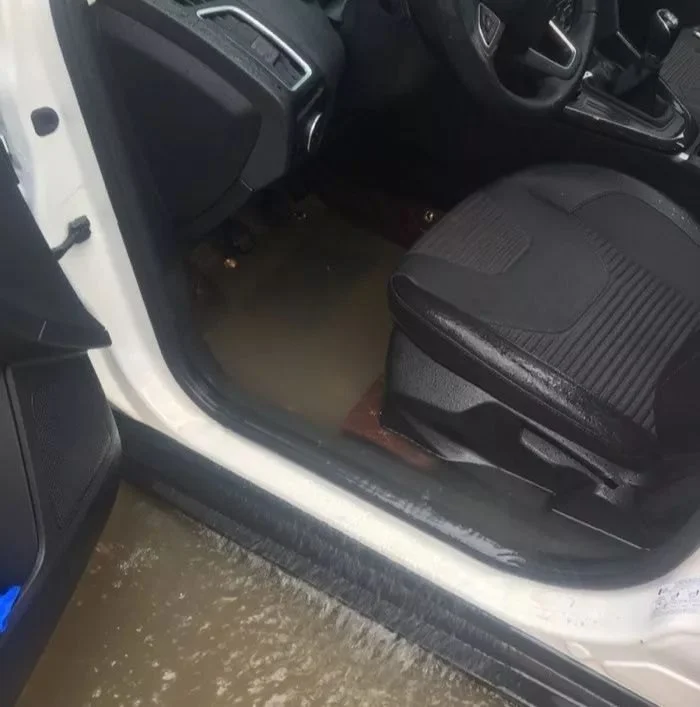
1. Introduction: Understanding Water Damage to Interior Components
Water damage to your home’s interior can be both frustrating and costly. It can happen for various reasons, such as leaks, flooding, or burst pipes. The most common areas affected include drywall, flooring, furniture, and other materials within your living space. In this article, we’ll provide you with a step-by-step guide on how to assess and fix water damage to your home’s interior components effectively.
2. Identifying the Source of Water Damage
Before jumping into repairs, it's crucial to identify the source of the water damage. Common causes include:
- Leaky roofs: Often the cause of water damage in ceilings and walls.
- Broken pipes: Can flood the area, leading to extensive water damage.
- Condensation: This can result in moisture buildup on windows and walls.
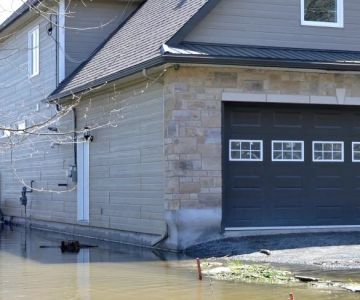
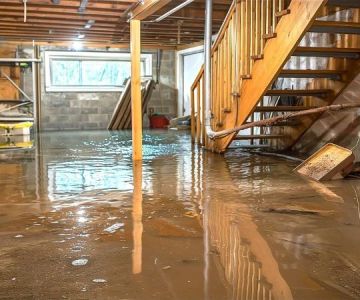
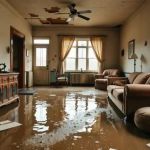
- Flooding: Severe weather or plumbing issues can lead to flooding inside your home.
By identifying the source, you can prevent further damage and take the necessary steps to fix the issue long-term.
3. Assessing the Extent of the Damage
Once you’ve identified the source, the next step is to assess how much damage has been done. Start by checking the affected areas for any signs of discoloration, mold growth, or warping. Key components to inspect include:
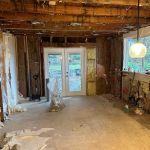
- Drywall: Water can cause drywall to swell and soften. If it has been saturated, it may need to be replaced.
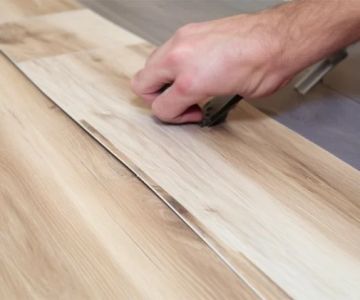
- Wood floors: Wooden flooring is particularly susceptible to water damage. Look for swelling, warping, or discoloration.
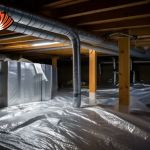
- Insulation: Water can compromise insulation, making it ineffective and potentially leading to mold growth.
- Furniture and upholstery: Fabric can absorb water and result in mold or mildew.
Make sure to examine each component thoroughly. If the damage is extensive, you might need professional help, but if it's limited, DIY repairs can be effective.
4. Fixing Water Damage to Drywall and Paint
Water-damaged drywall is one of the most common issues when dealing with interior water damage. Here's how to repair it:
- Remove damaged drywall: Use a utility knife to cut out the affected area. Be sure to remove any soggy, soft sections to prevent mold growth.
- Replace with new drywall: Cut new drywall to fit the removed section and secure it in place using drywall screws or nails.
- Patch and seal: Once the drywall is in place, apply joint compound to the seams and smooth it out. Let it dry before sanding it down and applying paint.
Ensure that you use water-resistant paint on newly repaired areas to prevent future damage.
5. Repairing Water-Damaged Floors
Water damage to floors can be particularly tricky. Here’s how to repair both wooden and carpeted floors:
5.1 Wooden Floors
If the damage is minor, you might be able to save the wood floor by following these steps:
- Dry the floor: Use towels, fans, or a dehumidifier to dry out the area as quickly as possible.
- Check for warping: If the wood has warped, use a heat gun to gently dry and flatten it out.
- Sanding: Once dry, you can sand out any damage and reapply a protective coating to restore the surface.
5.2 Carpets and Rugs
If your carpet has absorbed water, follow these steps to fix it:
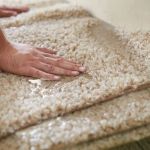
- Dry the carpet: Remove excess moisture using towels or a wet/dry vacuum.
- Shampoo and sanitize: After drying, shampoo the carpet and sanitize it to remove any lingering moisture or mold.
- Reinstall: If the carpet is still usable, reinstall it and use a carpet pad underneath for better moisture protection.
6. Dealing with Mold and Mildew
Mold can grow quickly in areas affected by water damage, especially if moisture is left unchecked. To prevent mold and mildew:
- Use mold-resistant cleaning agents: Clean affected areas with a solution designed to kill mold spores.
- Ventilate: Ensure the area is well-ventilated using fans or dehumidifiers to reduce moisture.
- Remove any mold: For small areas, you can remove mold yourself, but if it’s widespread, consider hiring a mold remediation expert.
7. Preventing Future Water Damage
To avoid future water damage to your home’s interior, consider these preventative steps:
- Seal windows and doors: Ensure there are no gaps that can let in moisture.
- Maintain your roof: Regularly inspect and maintain your roof to prevent leaks.
- Install sump pumps: In flood-prone areas, sump pumps can help prevent water from entering your home.
- Fix leaks promptly: Address small leaks before they become large issues.
8. Conclusion: Fixing Water Damage Effectively
Water damage can be daunting, but with the right knowledge and tools, it’s possible to fix the damage yourself. Whether it’s drywall, floors, or furniture, following these steps will help you restore your home to its former condition. If the damage is too extensive, don’t hesitate to reach out to professionals. For the best products and services to help with water damage repairs, visit Reliable Damage Hub for expert recommendations.
 SHACK SHINE5.0 (309 reviews)
 My Own Restoration3.0 (3 reviews)
 Todd Thomas Home Improvements4.0 (183 reviews)
 Tiger C Construction, LLC4.0 (116 reviews)
 RESTORx of Washington4.0 (109 reviews)
 ADU Water Fire Mold Storm5.0 (57 reviews)
 How to Manage Water Damage After a Hurricane: Restoration Tips
 Water Damage Restoration for High-Rise Buildings: Key Insights & Solutions
 How to Restore Water-Damaged Furniture and Carpets
 What to Expect During a Water Damage Inspection: A Homeowner's Guide
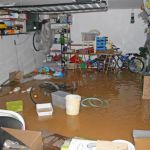 How to Manage Water Damage During a Flood or Flash Flood
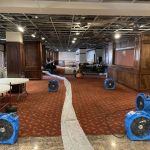 Water Damage Cleanup in a Commercial Space: What to Expect