
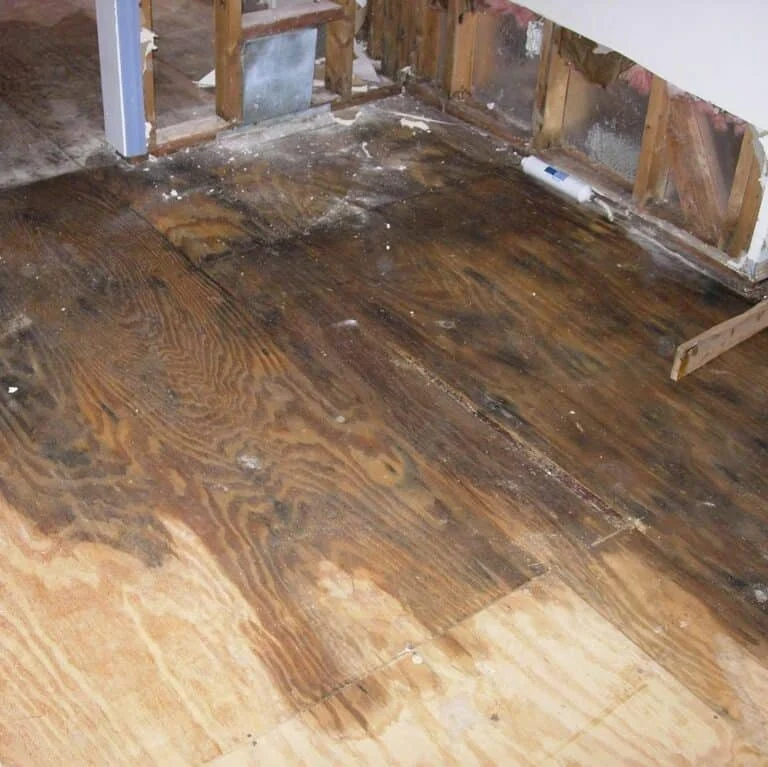
How to Restore Water-Damaged Flooring After Flooding
- 1 - The Importance of Restoring Water-Damaged Flooring
- 2 - Initial Assessment and Safety Precautions
- 3 - Types of Flooring and Their Repair Needs
- 4 - Effective Water Damage Repair Techniques
- 5 - When to Call Professionals for Water Damage Repair
Flooding can cause significant damage to your home’s flooring, and if left unaddressed, it can lead to mold growth, further damage, and costly repairs down the line. Prompt restoration is key to preventing these issues and preserving the integrity of your flooring. Not only does timely repair save money, but it also ensures that your home remains safe and healthy to live in. Pompano BeachBroward CountyFlorida 2101 NW 33rd St #200a, Pompano Beach, FL 33069, USA Water can seep deep into different types of flooring, damaging the subfloor and potentially creating long-term structural issues. By addressing water damage early, you minimize the risk of these secondary problems, which can be costly and difficult to fix. 1215 W Houston Ave Suite A, Gilbert, AZ 85233, USA Flooded floors can become discolored, warped, or buckled. Restoring the flooring not only helps protect the underlying structure but also restores the aesthetic appeal of your space. A beautiful and safe home is essential for maintaining property value and creating a comfortable living environment. Before you begin any repairs, it's crucial to assess the extent of the water damage and take necessary safety precautions. Flooded areas can be hazardous, so protecting yourself is the first step in the process. Water and electricity do not mix. Make sure to turn off the power supply to the affected areas to prevent electrocution. If you are unsure, it’s always safer to call a professional electrician before proceeding. Wear gloves, boots, and a mask while handling flooded flooring. This will protect you from any contaminants or mold spores that may have developed due to the moisture. Not all flooring materials respond the same way to water damage. Understanding the type of flooring you have will help you determine the best restoration method. Hardwood floors can warp or buckle if exposed to water for too long. Depending on the severity, you may be able to salvage and repair the boards by sanding and refinishing them after they have been properly dried. However, if the damage is extensive, replacing the affected planks may be necessary. Laminate flooring is more resistant to water but can still swell and warp when exposed to flooding. If the laminate has expanded or cracked, it may need to be replaced. In some cases, professional repair services can help salvage the laminate, but if the damage is significant, replacing the flooring is often the best option. Carpets that have been soaked during flooding should be thoroughly cleaned and disinfected. If the carpet is heavily stained or the padding underneath is waterlogged, it might be best to replace both. Some carpets can be restored by deep cleaning and drying, while others may not be salvageable. Vinyl and tile floors are relatively resistant to water, but the grout between tiles can trap moisture, leading to mold growth. Both types of flooring can usually be salvaged by drying the area and cleaning the grout. However, if the subfloor has been compromised, you may need to replace the tiles. Once you've assessed the damage and gathered your supplies, it's time to start the repair process. Here are a few effective techniques for restoring water-damaged flooring: Use dehumidifiers, fans, and air movers to dry the affected area. Make sure to remove all moisture from the flooring and subfloor before beginning any repairs to prevent mold growth. Cleaning and disinfecting the floors is essential to prevent mold and bacteria. Use a solution of water and mild detergent for most flooring types, or consult with a professional if more specific treatments are needed for your material. If your hardwood floors have warped or become discolored, sanding and refinishing the surface can help restore them. This process removes damaged layers and allows you to reapply a protective finish, which can bring back the original beauty of the floor. If the tiles have cracked or the grout is contaminated, it’s best to replace the damaged tiles. Ensure that the subfloor is dry before installing new tiles, and consider using water-resistant grout to prevent future issues. While DIY repairs can work for minor damage, there are times when you should call in a professional. If the water damage is extensive, or if your flooring is too badly damaged to repair on your own, it’s a good idea to hire an expert to ensure the job is done correctly and safely. Professional restoration services are equipped with the right tools and experience to handle severe damage, including dealing with mold and ensuring your home’s structural integrity is maintained. At Reliable Damage Hub, we specialize in restoring water-damaged flooring. Whether it’s hardwood, carpet, or vinyl, our team can help you get your floors back to their original condition. Visit us today to learn more about our services!1 - The Importance of Restoring Water-Damaged Flooring
SERVPRO of Pompano Beach / servpro of santa maria
1.1 - Preventing Long-Term Damage

Kustom US Restoration / kustom restoration
1.2 - Enhancing Aesthetic Appeal
2 - Initial Assessment and Safety Precautions
2.1 - Check for Electrical Hazards
2.2 - Wear Protective Gear
3 - Types of Flooring and Their Repair Needs
3.1 - Hardwood Flooring
3.2 - Laminate Flooring
3.3 - Carpet
3.4 - Vinyl and Tile Flooring
4 - Effective Water Damage Repair Techniques
4.1 - Dry the Area Thoroughly
4.2 - Clean and Disinfect
4.3 - Sanding and Refinishing (For Hardwood)
4.4 - Replacing Damaged Tiles (For Tile Floors)
5 - When to Call Professionals for Water Damage Repair
 Good Roads Water Damage Experts5.0 (1 reviews)
 R&R Foundation Specialist4.0 (305 reviews)
 MJ White4.0 (102 reviews)
 ATI Restoration3.0 (25 reviews)
 Modernistic4.0 (251 reviews)
 ServiceMaster Cleaning Services4.0 (27 reviews)
 Water Damage Restoration for Retail Spaces – Expert Tips and Real Cases
 How to Prevent and Repair Water Damage in Commercial Properties
 How to Protect Your Home’s Electrical System from Water Damage: Essential Tips
 Flooded Basement? Here’s How to Restore It Safely
 How to Handle Water Damage After a Storm: A Step-by-Step Guide
 How to Handle Water Damage from Burst Pipes: A Step-by-Step Guide