
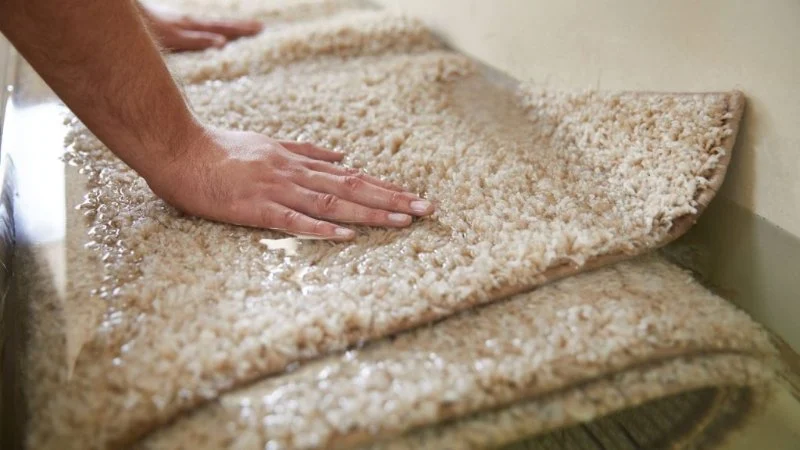
- 1. Understanding Water Damage on Furniture and Carpets
- 2. Steps to Take Immediately After Water Damage
- 3. How to Dry and Clean Water-Damaged Furniture and Carpets
- 4. Restoring the Appearance of Water-Damaged Furniture and Carpets
- 5. When to Call a Professional for Water Damage Restoration
1. Understanding Water Damage on Furniture and Carpets
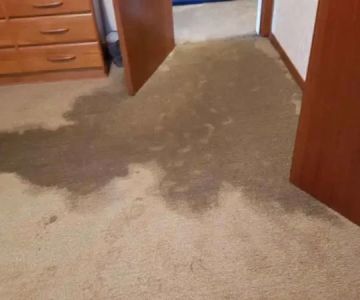
Water damage is a common issue homeowners face, especially during floods, leaks, or spills. Furniture and carpets are particularly vulnerable because they tend to absorb water quickly. When this happens, it can weaken the materials, leading to mold growth, foul odors, and discoloration.
The extent of water damage largely depends on the type of material involved and how long the item has been exposed to water. Understanding how to assess and address this damage is crucial for restoring your belongings and preventing further issues.
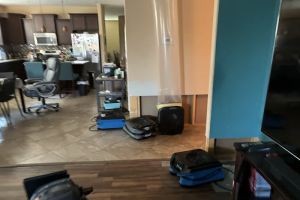
Drip Restoration / valleywide restoration mesa az
932 S Stapley Dr, Mesa, AZ 85204, USA
2. Steps to Take Immediately After Water Damage
Once you notice water damage on your furniture or carpets, immediate action is crucial. Here are the steps to follow right away:
- Stop the Source of Water: If the damage is due to a leak or flooding, immediately stop the flow of water to prevent further exposure.
- Remove Excess Water: Use towels, a wet vacuum, or a mop to soak up as much water as possible from the affected areas.
- Lift Furniture and Carpets: Move furniture off wet carpets to avoid further damage. If possible, lift the carpets to help air circulate beneath them.
- Dry the Area: Open windows for airflow or use fans to dry the affected areas. A dehumidifier will also help speed up the drying process.
3. How to Dry and Clean Water-Damaged Furniture and Carpets
After the initial steps, it’s essential to dry and clean the water-damaged items to avoid further deterioration. Here's how you can do that:
- For Carpets: If the carpet is wet, try to extract as much water as you can by pressing towels or cloths into the carpet. Then, let it dry naturally or use fans and dehumidifiers to help speed up the process.
- For Upholstered Furniture: Remove any excess moisture using towels. If possible, disassemble the pieces (e.g., removable cushions) to allow air to circulate. Dry the furniture with fans and use a vacuum with a brush attachment to remove dirt.
- For Wood Furniture: Use a clean, dry cloth to wipe off any water and dry the surfaces carefully. Avoid using heat sources like hair dryers, as they can warp the wood. Allow the furniture to air dry in a cool area.
- For Rugs: Roll up the rug and hang it in a dry, well-ventilated area to dry. If possible, gently clean the rug with a vacuum to remove dirt that may have been absorbed by the fibers.
4. Restoring the Appearance of Water-Damaged Furniture and Carpets
Once your furniture and carpets are dry, it’s time to restore their appearance. Depending on the severity of the damage, here are some restoration tips:
- For Carpets: If your carpet is stained or the fibers have become matted, use a carpet cleaner to deep clean the surface. A professional steam cleaning might be required if the stains are stubborn.
- For Upholstered Furniture: Use fabric-safe cleaners or solutions to remove any lingering stains. If the cushions are still damp, ensure they are thoroughly dried to avoid mildew buildup.
- For Wood Furniture: Sand and refinish any areas where the wood has been damaged by water. If the wood has swollen, you might need to use a specialist to recondition it properly.
5. When to Call a Professional for Water Damage Restoration
While some water damage can be handled on your own, certain situations require professional help. You should consider calling a restoration service if:
- Extensive Damage: If the water damage is widespread or has affected large furniture pieces or carpets, a professional service with the right equipment can do the job faster and more effectively.
- Mold or Mildew Growth: If you notice mold or mildew after water damage, it’s important to seek professional help immediately to prevent the spread of these harmful substances.
- Irreparable Damage: If the damage is so severe that it can’t be cleaned or restored to its original condition, professionals can help you decide whether replacement or restoration is the best option.
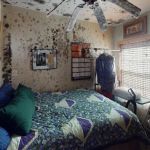 Service Restoration5.0 (14 reviews)
 Clean & Dry Environmental Solutions4.0 (49 reviews)
 Chem-Dry of Buffalo4.0 (1182 reviews)
 Professional Restoration Services4.0 (56 reviews)
 SERVPRO of Whatcom County4.0 (56 reviews)
 H2O Restoration Solutions5.0 (22 reviews)
 How to Dry Out Water-Damaged Rugs Quickly
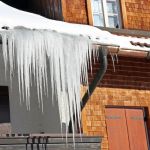 How to Prevent Water Damage From Ice Dams: Effective Winter Strategies
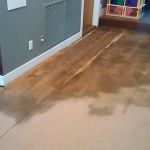 Water Damage Repair for Basement Flooring
 Essential Tools for Water Damage Restoration at Home
 Top 5 Water Damage Restoration Myths Debunked
 How to Prevent Water Damage From Clogged Gutters