
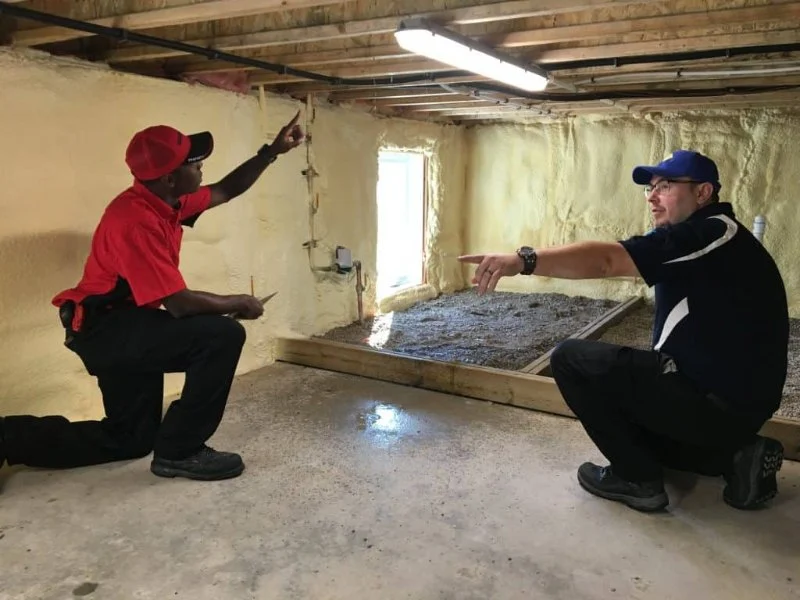
What to Expect During a Water Damage Inspection: A Homeowner's Guide
- 1. Understanding Water Damage and Its Impact
- 2. Why Water Damage Inspections Are Important
- 3. The Water Damage Inspection Process
- 4. Common Signs of Water Damage
- 5. Real-Life Case Study: Water Damage Inspection Experience
- 6. Where to Find Reliable Water Damage Inspection Services
1. Understanding Water Damage and Its Impact
Water damage can occur for various reasons, including leaking pipes, heavy rains, faulty appliances, and even natural disasters. It can cause structural issues, mold growth, and even pose health risks. Understanding the potential consequences of water damage is essential for homeowners to take swift action and minimize long-term damage to their property.
Water can seep into walls, floors, and ceilings, weakening the structural integrity of a home. If left untreated, it can lead to mold growth, which can cause health problems like respiratory issues. Therefore, timely inspection and repair are critical to ensuring the safety and stability of your home.
Giants / dry kings restoration of san francisco
San FranciscoSan Francisco CountyCalifornia
685 Geary Blvd, San Francisco, CA 94102, USA
2. Why Water Damage Inspections Are Important
Water damage inspection is crucial for several reasons:
- Identifying Hidden Damage: Water damage often isn’t immediately visible, especially if it’s inside walls or beneath flooring. A professional inspection can identify hidden damage before it worsens.
- Preventing Further Issues: Early detection of water damage can prevent mold growth, structural weakening, and costly repairs down the road.
- Insurance Claims: If you need to file a water damage claim with your insurance company, a thorough inspection report can support your claim and help ensure you get the compensation you need.
3. The Water Damage Inspection Process
Here’s what you can expect when you schedule a water damage inspection for your home:
- Initial Assessment: The inspector will begin by visually assessing the area to identify any obvious signs of water damage, such as discoloration, mold, or standing water.
- Moisture Detection: Using specialized tools like moisture meters, the inspector will check the moisture levels in walls, floors, and ceilings. This is an important step in identifying hidden water damage.
- Leak Source Identification: The inspector will try to locate the source of the water damage. This could involve checking plumbing systems, windows, roofing, and other potential entry points for water.
- Damage Evaluation: The inspector will assess the extent of the damage to determine if it’s limited to cosmetic issues or if it’s more severe, such as structural damage or mold growth.
- Reporting: After the inspection, you will receive a detailed report that includes findings, pictures of damaged areas, and a recommendation for repairs or remediation. The report may also suggest steps to prevent further water damage in the future.
4. Common Signs of Water Damage
Being able to spot the early signs of water damage can help you take action before the problem worsens. Here are some common signs to watch for:
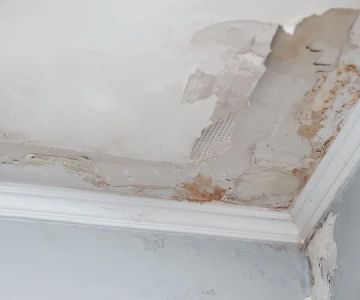
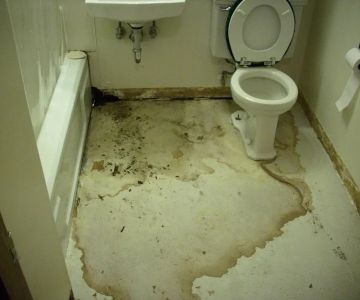
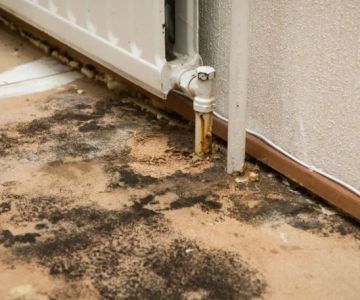
- Water Stains: Yellow or brown stains on walls, ceilings, or floors are often the first visible signs of water damage.
- Peeling Paint or Wallpaper: If paint or wallpaper is peeling, bubbling, or warping, it could indicate water damage beneath the surface.
- Mold or Mildew: A musty smell or the presence of mold and mildew on walls, ceilings, or floors suggests moisture issues.
- Warped Floors: Wooden or laminate floors may warp, buckle, or swell when exposed to excess moisture over time.
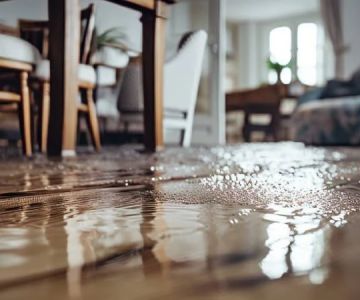
- Visible Puddles: Any visible standing water or persistent dampness in certain areas is an obvious sign of water damage.
5. Real-Life Case Study: Water Damage Inspection Experience
Jane, a homeowner in Texas, experienced a burst pipe in her attic during a particularly cold winter. Although she couldn’t see the damage right away, the water began seeping into her walls and ceiling, leading to stains and mildew. She decided to hire a professional water damage inspector, who used advanced moisture detection tools to pinpoint the leak’s location. Thanks to the inspector’s thorough evaluation, Jane was able to file an insurance claim and get her property repaired before the damage spread further. Her quick decision to get an inspection saved her a significant amount of money and prevented more extensive damage.
Drip Restoration / valleywide restoration mesa az
932 S Stapley Dr, Mesa, AZ 85204, USA
6. Where to Find Reliable Water Damage Inspection Services
When it comes to finding a reliable water damage inspection service, look for companies with professional certifications, positive customer reviews, and a transparent approach to pricing and services. For trustworthy and expert water damage inspection services, visit Reliable Damage Hub, where you can find the best professionals to ensure your home is safe from water damage.
 Stanley Steemer4.0 (1526 reviews)
 King's Quality Restoration4.0 (4 reviews)
 Residential ResQ LLC4.0 (46 reviews)
 Restoration5.0 (62 reviews)
 Andiamo Property Restoration5.0 (12 reviews)
 Everdry Waterproofing of Pittsburgh4.0 (316 reviews)
 Water Damage Restoration for Multi-Family Homes
 What to Do if Your Home’s Water Damage Is Covered by Insurance
 How to Repair Water-Damaged Drywall: Step-by-Step Guide
 Water Damage Repair for Commercial Properties: Key Considerations and Tips
 Water Damage Restoration for Schools and Educational Buildings
 How to Identify Water Damage from Hidden Leaks in Your Roof