1. Immediate Action After Water Damage from a Hurricane
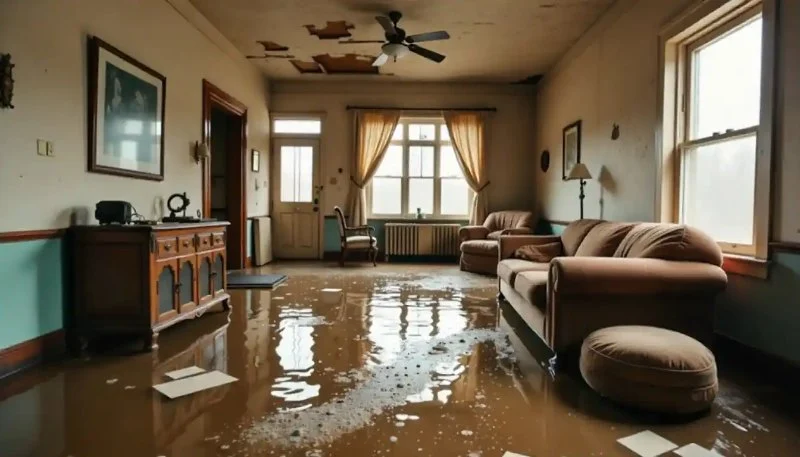
After a hurricane, water damage is one of the most significant threats to your property. The first 24 to 48 hours are critical in minimizing the long-term effects of water damage. Here’s what you should do immediately after the hurricane passes:
SERVPRO of Pompano Beach / servpro fort lauderdale south
Pompano BeachBroward CountyFlorida
2101 NW 33rd St #200a, Pompano Beach, FL 33069, USA
1.1. Ensure Safety First
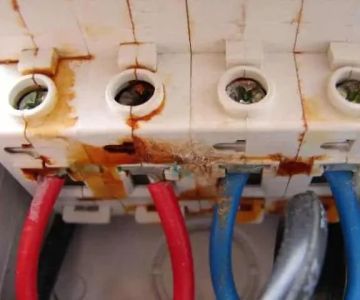
Before you attempt any cleanup, ensure your safety. Floodwaters may be contaminated with hazardous materials, and electrical systems can be dangerous when exposed to water. Wait for authorities to declare it safe to return to your home. Once inside, turn off the electricity and gas supply if possible. Wear protective gear, such as rubber boots, gloves, and a mask, to reduce your exposure to harmful elements.
1.2. Remove Standing Water
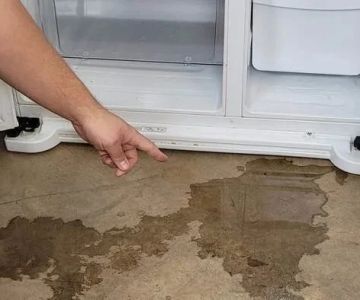
The quicker you can remove standing water, the less likely it will cause further damage to your home. Use a wet/dry vacuum, pump, or mop to remove as much water as possible. If the damage is extensive, consider hiring professional water removal services. Keep in mind that lingering water can cause wood to warp, carpets to rot, and walls to mold, so immediate action is necessary.
1.3. Ventilate Your Home
Once most of the water has been removed, it’s crucial to ventilate your home. Open windows and doors to allow fresh air to circulate, and use fans and dehumidifiers to dry out the air and surfaces. Proper ventilation will help prevent mold growth, which thrives in damp conditions. Dehumidifiers can be particularly helpful in reducing moisture levels in the air, further speeding up the drying process.
2. Cleaning and Drying Water-Damaged Items
Once you’ve handled the immediate steps, the next priority is to clean and dry your water-damaged furniture, walls, and belongings. Here are the essential steps to follow:
2.1. Drying Furniture and Upholstered Items
Furniture and upholstered items can absorb a significant amount of water, which makes drying them critical. Start by removing cushions and setting them in a well-ventilated area to dry. Use towels to blot the fabric, soaking up excess moisture. For upholstered furniture, you can use a wet/dry vacuum to extract water from the fabric, followed by placing the furniture in a dry area with ample airflow. For extensive water damage, you may need to seek professional restoration services to prevent mold and mildew from developing.
2.2. Drying Carpet and Flooring
If your carpet has been affected by water, it’s important to act quickly. Remove any excess water using a vacuum, then lift the carpet to allow air circulation beneath it. Use fans and dehumidifiers to dry out both the carpet and the flooring underneath. If the carpet is heavily waterlogged, it may need to be replaced. Hardwood floors can often be salvaged if dried quickly, but warped wood may need to be replaced as well.
2.3. Cleaning Walls and Surfaces
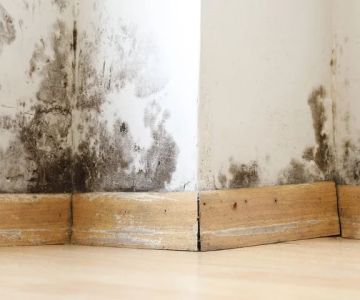
Water damage often leads to stains and mildew on walls, especially in areas like the basement or lower floors. After drying the surfaces, clean the walls with a mild detergent solution. Make sure to disinfect areas that have been affected by floodwaters, as they can carry bacteria and contaminants. After cleaning, let the walls dry completely before applying a fresh coat of paint if needed.
3. How to Avoid Mold and Mildew After Water Damage
One of the biggest risks after water damage from a hurricane is mold and mildew growth. Here’s how you can prevent it from taking over your home:
3.1. Keep Moisture Levels Low
Mold thrives in humid, wet environments. The key to preventing mold is controlling the moisture levels in your home. Use dehumidifiers in affected areas to pull moisture from the air and prevent the growth of mold and mildew. Continue to run fans and open windows to circulate air, especially in areas that tend to remain damp, such as basements or bathrooms.
3.2. Inspect for Mold Regularly
Even with your best efforts, mold may still develop. Regularly check for signs of mold, such as musty odors, dark spots on walls or ceilings, or damp areas. If you find mold, use an appropriate mold-removal cleaner or hire a professional mold remediation service. It’s essential to address mold problems immediately to prevent it from spreading.
3.3. Replace Damaged Items
Some items, such as carpeting, cushions, and insulation, may be too damaged to save. If they are beyond repair, it’s best to replace them. Leaving them in your home can provide a breeding ground for mold and bacteria. If you're unsure about whether an item can be salvaged, it’s always a good idea to consult with a professional restoration expert.
4. Professional Restoration Services from Reliable Damage Hub
Restoring your home after hurricane water damage can be a daunting task, and sometimes professional help is necessary. At Reliable Damage Hub, we specialize in water damage restoration services, offering expertise in everything from water extraction to mold remediation. Our team can guide you through the restoration process, ensuring your home is safe, clean, and fully restored to its pre-hurricane condition. Contact us today for reliable and efficient damage restoration services!
 SERVPRO of Port St. Lucie NE4.0 (169 reviews)
 OMG Sanitized, Inc.5.0 (37 reviews)
 911 Restoration of St. Charles5.0 (1 reviews)
 HydroFind, LLC0.0 (0 reviews)
 Cavins Group, Edmond4.0 (7 reviews)
 Philldry Water Damage Restoration5.0 (4 reviews)
 How to Prevent Water Damage From Clogged Gutters
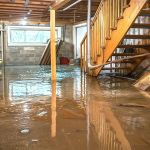 How to Prevent Water Damage from Basement Flooding
 Water Damage in Apartments: Unique Challenges and Solutions
 How to Repair Water-Damaged Ceilings – A Comprehensive Guide
 How to Handle Water Damage From Burst Water Heaters
 How to Spot and Prevent Water Damage in Your Walls