
- Initial Assessment of Water Damage
- Water Removal Process
- Drying and Dehumidification
- Restoration and Repair
- Water Damage Prevention Tips
Initial Assessment of Water Damage
The first step in water damage cleanup is a thorough assessment to determine the extent of the damage. Professional technicians will inspect the area to identify any areas affected by water, including walls, flooring, and electrical systems. The goal is to understand the source of the water and how deeply it has permeated the structure.
During the assessment, technicians will use specialized tools like moisture meters to detect hidden water pockets. This helps in forming a comprehensive plan for the cleanup and restoration process. It’s also important to document the damage for insurance claims, which professionals will assist with.
SERVPRO of Pompano Beach / servpro of santa maria
Pompano BeachBroward CountyFlorida
2101 NW 33rd St #200a, Pompano Beach, FL 33069, USA
Water Removal Process
Once the assessment is complete, the next step is removing the water from the affected areas. For minor flooding, this might involve the use of pumps or vacuums, while larger commercial spaces might require industrial-grade water extraction equipment. Fast removal is crucial to prevent further damage, such as mold growth or structural weakening.
Water removal should be done as quickly as possible, as standing water can lead to the deterioration of furniture, fixtures, and the building itself. High-powered pumps and wet vacuums are commonly used to extract all water, especially from carpeted areas and subfloors.
Drying and Dehumidification
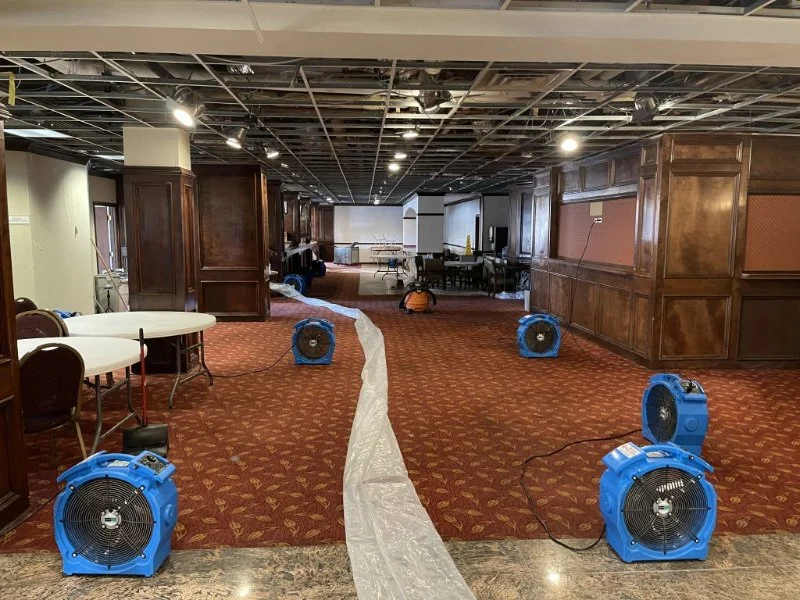
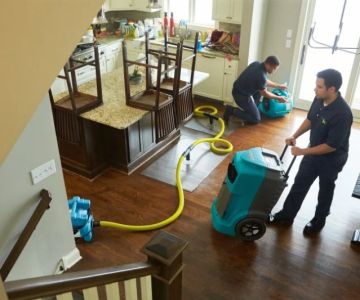
After the water has been removed, the next essential step is drying out the commercial space. This phase uses heavy-duty dehumidifiers and air movers to remove moisture from the air and prevent mold growth. This step is critical in ensuring that moisture does not remain trapped in hidden spaces, such as behind walls or under floors.
Technicians will place dehumidifiers strategically throughout the space to maintain optimal airflow, especially in areas that are most vulnerable to mold. This phase can take several days to complete, depending on the extent of the water damage and the humidity levels in the building.
Restoration and Repair
Once the area is thoroughly dried, the restoration and repair process begins. This includes fixing any structural damage caused by water, such as repairing drywall, flooring, and ceilings. In cases where the water has affected electrical systems, a licensed electrician may be required to ensure that everything is safe and functioning.
The restoration phase is when your commercial space begins to look and function like it did before the damage. This is also when additional treatments like antimicrobial coatings may be applied to prevent mold or mildew growth in areas with high moisture content.
Water Damage Prevention Tips
Preventing water damage in the future is just as important as the cleanup process itself. Here are some effective prevention tips for commercial spaces:
- Regular Inspections: Schedule periodic inspections of your building’s plumbing, roof, and foundation to identify potential leaks before they turn into major problems.
- Maintain Gutters and Downspouts: Ensure that gutters and downspouts are clear of debris and properly direct water away from the building’s foundation.
- Install Flood Sensors: Consider installing flood sensors and sump pumps to detect and manage water in areas prone to flooding.
- Proper Drainage: Ensure that the property is properly graded so that water does not collect near the building’s foundation.
 The Painter Guy4.0 (95 reviews)
 Fire Damage Restoration and Cleanup Nasau County5.0 (5 reviews)
 ROOFX Roofing5.0 (169 reviews)
 ServiceMaster by the Border3.0 (17 reviews)
 NorCal Construction & Restoration5.0 (6 reviews)
 Mold Remediation and Waterproofing LLC0.0 (0 reviews)
 How to Restore Water-Damaged Property After a Severe Storm
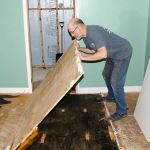 How Water Damage Affects Your Insurance Premiums and How to Manage It
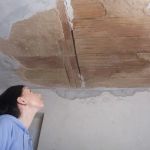 How to Identify and Prevent Water Damage in Your Ceiling | Reliable Damage Hub
 Water Damage Repair for Attics and Roof Spaces: Essential Tips for Prevention
 How to Identify and Fix Water Damage in Your Home’s HVAC System | Reliable Damage Hub
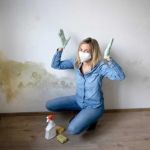 How to Manage Water Damage from Mold Growth