
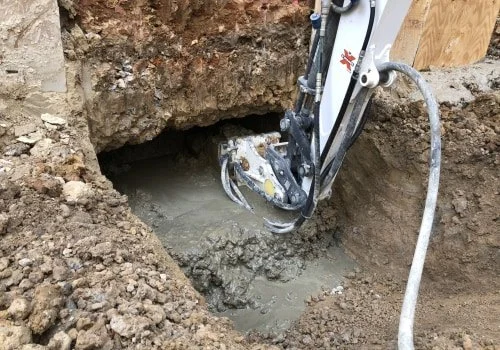
How to Repair Water Damage Around Home Foundations: A Step-by-Step Guide
Water damage around the foundation of your home can cause severe long-term issues, from structural damage to mold growth. If left unchecked, water can erode the foundation, leading to cracks, leaks, and significant repair costs. In this guide, we'll walk you through the process of identifying and repairing water damage around your foundation, ensuring your home stays dry and secure.
- 1. Understanding Water Damage Around Foundations
- 2. Steps to Repair Water Damage Around Your Home's Foundation
- 3. Preventing Future Water Damage
1. Understanding Water Damage Around Foundations
Water damage near your foundation can come from several sources. The most common culprits are:
- Heavy Rain: Excessive rainfall can overwhelm drainage systems, causing water to seep into the soil surrounding your foundation.
- Poor Drainage: If the ground around your house doesn’t slope away from the foundation, water can accumulate and cause damage.
- Leaking Pipes: Cracked or burst water pipes can leak water directly into your foundation.
- Clogged Gutters: Blocked gutters can prevent proper water flow, causing water to overflow and pool around your home.
When water is allowed to linger around your foundation, it can weaken the structure, causing cracks and even basement flooding. Identifying the source early is key to preventing serious damage.

Wizard Restorations Inc / puroclean of san fernando
Rancho CucamongaSan Bernardino CountyCalifornia
10245 8th St, Rancho Cucamonga, CA 91730, USA
2. Steps to Repair Water Damage Around Your Home's Foundation
Step 1: Assess the Damage
The first step is to thoroughly inspect your home’s foundation. Look for signs of water damage such as:
- Cracks in the foundation walls or floor
- Puddles or wet spots in the basement or crawl spaces
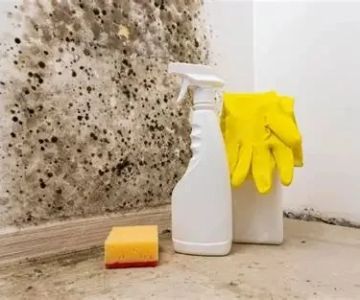
- Moisture or mold growth on basement walls
If you find significant damage, such as large cracks, it's best to consult a professional. Minor issues, like small cracks, can usually be repaired on your own with the right materials.

Kustom US Restoration / kustom restoration
1215 W Houston Ave Suite A, Gilbert, AZ 85233, USA
Step 2: Fix the Source of the Water
Before repairing the damage, you need to stop the water from coming in. If you have issues with gutters or downspouts, clear any blockages. Ensure that the ground slopes away from the foundation to encourage proper drainage. If pipes are leaking, repair or replace them as needed. Addressing the source will prevent further damage.
Step 3: Seal Cracks and Leaks
For small cracks in your foundation, use hydraulic cement or a foundation crack repair kit. Here’s how to repair foundation cracks:
- Clean the crack thoroughly using a wire brush or pressure washer to remove any dirt or debris.
- Mix the hydraulic cement according to the manufacturer’s instructions.
- Apply the cement into the crack, smoothing it with a putty knife. Let it cure completely.
For larger cracks or leaks, you may need to apply a waterproof sealant to the exterior of the foundation or consider installing a sump pump in the basement to handle water accumulation.
Step 4: Dry Out the Area
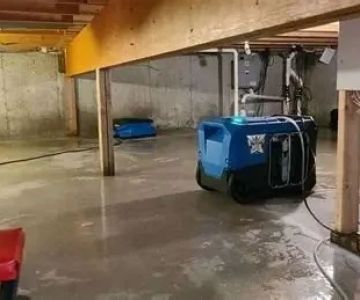
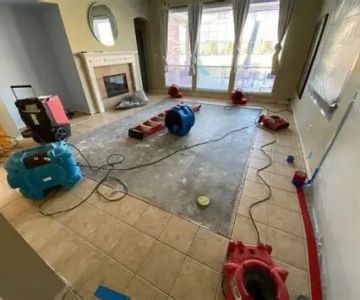
Once you've sealed the cracks and fixed the water source, it’s important to dry out the area. Use fans or a dehumidifier to reduce moisture levels in the basement or crawl space. This will help prevent mold growth and ensure your home stays dry.
Step 5: Repair Interior Water Damage
If there’s any visible water damage inside your home, like wet carpets or drywall, remove and replace the affected materials. Mold and mildew thrive in damp environments, so it's important to act quickly to mitigate the spread of damage.
3. Preventing Future Water Damage
After repairing water damage, it’s essential to take steps to prevent future issues. Here are a few preventative measures:
- Install Proper Drainage: Ensure that the ground around your foundation slopes away from the house to direct water away from the walls.
- Clean Gutters Regularly: Make sure your gutters are clear of leaves and debris so that water can flow freely into downspouts.
- Waterproof Your Foundation: Consider applying a waterproof coating or sealant to your foundation to protect it from water intrusion.
- Maintain Pipes: Regularly inspect your plumbing for leaks and ensure that water doesn’t pool around the foundation from broken pipes.
By taking these precautions, you can help ensure that your foundation remains strong and dry for years to come.
If you're dealing with significant water damage or need professional help, don't hesitate to contact Reliable Damage Hub for expert advice and services to keep your home safe.

 Carlson Restoration4.0 (184 reviews)
 PuroClean of San Fernando5.0 (6 reviews)
 WeDry USA4.0 (138 reviews)
 Overall5.0 (68 reviews)
 SteamMaster's4.0 (116 reviews)
 East Coast Water And Mold Inc5.0 (1 reviews)
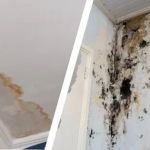 Water Damage Restoration and Mold: How to Prevent Both
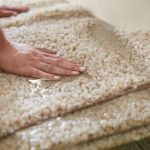 Water Damage Repair for Carpets and Rugs: How to Fix and Restore
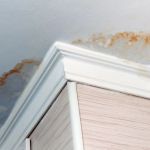 How to Handle Water Damage From Ceiling Leaks
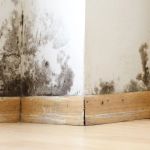 How to Spot Water Damage Early: Key Signs to Look for Before It's Too Late
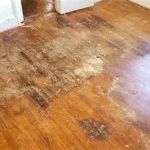 How to Restore Water-Damaged Hardwood Flooring in Your Home
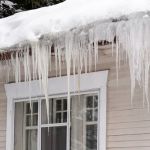 How to Protect Your Property from Water Damage During Heavy Snowfalls