
- 1 - Understanding Sprinkler Damage and Its Impact
- 2 - Common Causes of Sprinkler Breakdowns
- 3 - How to Prevent Water Damage From Broken Sprinklers
- 4 - Steps for Repairing Broken Sprinklers
- 5 - Maintaining Your Sprinkler System to Avoid Damage
- 6 - Real-Life Examples of Sprinkler Damage and Prevention
1. Understanding Sprinkler Damage and Its Impact
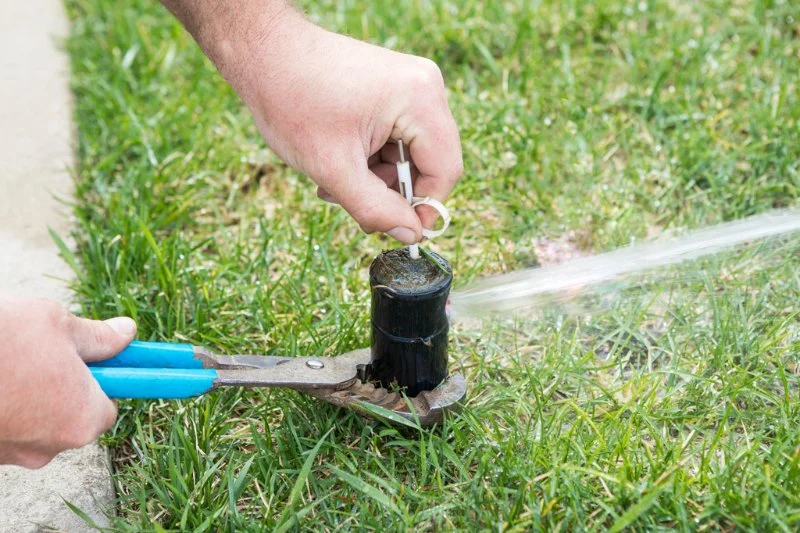
Water damage from broken sprinklers is a common problem faced by homeowners and property managers, especially during the warmer months when irrigation systems are in full use. Broken sprinklers can cause significant damage to lawns, gardens, and even the structure of your home. The issue arises when a sprinkler head breaks or malfunctions, causing water to spill uncontrollably and flood areas that should remain dry.
Beyond the immediate water waste, the damage caused by broken sprinklers can be costly. Flooded areas may lead to erosion of soil, damage to plants, and even foundation issues if the water seeps into cracks. Additionally, water pooling around structures can result in wood rot, mold growth, and damage to building materials, further increasing repair costs.

Wizard Restorations Inc / puroclean of san fernando
Rancho CucamongaSan Bernardino CountyCalifornia
10245 8th St, Rancho Cucamonga, CA 91730, USA
2. Common Causes of Sprinkler Breakdowns
Before we explore how to prevent water damage, it’s important to understand what causes sprinklers to break down in the first place. Identifying these common issues can help you take preventative measures to ensure your system works efficiently and safely.
SERVPRO of Pompano Beach / servpro fort lauderdale south
Pompano BeachBroward CountyFlorida
2101 NW 33rd St #200a, Pompano Beach, FL 33069, USA
Frozen Pipes
One of the most common causes of broken sprinklers is freezing. In colder climates, water left in the sprinkler system during the winter months can freeze, expanding inside the pipes and causing them to crack. When the weather warms up again, the pipes may burst, leading to leaks or complete system failure.
Clogged Sprinkler Heads
Sprinkler heads can become clogged with dirt, debris, or mineral buildup, which can impair their performance. This blockage can cause uneven water distribution, forcing the sprinkler to work harder, eventually leading to leaks or cracks. Regular cleaning and maintenance of sprinkler heads can prevent this issue.
Wear and Tear
Over time, sprinkler heads and pipes can wear down due to constant exposure to water, sunlight, and pressure. Corrosion, brittle materials, and deteriorating seals are all factors that contribute to system breakdowns. Routine maintenance can help extend the lifespan of your system.
3. How to Prevent Water Damage From Broken Sprinklers
Preventing water damage from broken sprinklers involves taking a proactive approach to maintaining your irrigation system. By performing regular checks and making a few simple adjustments, you can minimize the risk of significant water damage. Here are some essential steps to prevent issues:
1. Regular System Inspections
Regular inspections are key to identifying potential problems before they escalate. Check your sprinkler system at least once a season, especially after the winter months, to ensure that all components are functioning correctly. Look for signs of wear, leaks, or damaged sprinkler heads, and make sure the sprinkler heads are positioned properly to avoid water runoff onto walkways or building foundations.
2. Winterizing Your Sprinkler System
If you live in an area with cold winters, winterizing your sprinkler system is essential. Drain the pipes and remove any remaining water to prevent freezing. You can also use an air compressor to blow out the system and ensure all water is expelled from the pipes. This will reduce the likelihood of pipe damage when temperatures drop.
3. Installing Pressure Regulators
Water pressure that’s too high can cause stress on your sprinkler system, leading to leaks or burst pipes. Installing a pressure regulator will ensure that the water pressure is at the optimal level for your system, reducing the likelihood of damage and improving efficiency.
4. Installing Sprinkler Timers
Sprinkler timers help prevent over-watering by controlling when and for how long the system operates. Timers can help you avoid flooding your yard or causing water damage by ensuring the system runs at appropriate times and durations. Smart irrigation systems with moisture sensors can further optimize watering schedules based on weather conditions.
4. Steps for Repairing Broken Sprinklers
If you discover a broken sprinkler, it’s crucial to address the issue promptly to avoid water damage. Follow these steps to repair a broken sprinkler:
1. Identify the Problem
Start by inspecting the sprinkler head and the surrounding area. Check for visible cracks, clogs, or leaks. If the sprinkler head is clogged, clean it thoroughly to restore its function. If there’s a crack or break in the sprinkler head or pipe, you’ll need to replace the damaged part.
2. Turn Off the Water Supply
Before you begin any repairs, turn off the water supply to the sprinkler system to prevent further water waste and potential flooding.
3. Replace the Damaged Parts
Once the water is off, remove the broken sprinkler head or damaged pipe. Install a new head or pipe, making sure it’s properly sealed to avoid leaks. For complex repairs, it’s a good idea to contact a professional plumber or sprinkler technician.
4. Test the System
After the repair is complete, turn the water back on and test the system to ensure that the new part is functioning correctly and there are no leaks. Make any necessary adjustments to the sprinkler head positioning and water flow.
5. Maintaining Your Sprinkler System to Avoid Damage
Preventing broken sprinklers and water damage is about more than just repairs—it’s about maintaining your system regularly to ensure optimal performance. Here are some maintenance tips:
1. Clean Sprinkler Heads Regularly
Regularly clean your sprinkler heads to remove dirt, debris, and mineral buildup. This will ensure that water flows evenly and efficiently, reducing the risk of clogs and malfunctions.
2. Check for Leaks
Look for any leaks in the sprinkler pipes, valves, or heads. Leaks can waste water and increase the risk of property damage. Address leaks immediately by tightening fittings or replacing damaged parts.
3. Adjust Sprinkler Heads
Ensure that the sprinkler heads are properly aligned and positioned to cover your lawn or garden effectively. Misaligned heads can cause water to spill onto walkways, driveways, or the side of your home, leading to water damage.
6. Real-Life Examples of Sprinkler Damage and Prevention
Many homeowners have experienced the consequences of broken sprinklers, but with proper care and maintenance, the damage can be avoided. One homeowner, Jane, shared her experience of a broken sprinkler that flooded her backyard, causing water to seep into her basement. After this incident, she took steps to prevent future damage, including installing sprinkler timers and regularly checking her system for leaks. She also ensured her system was properly winterized, reducing the risk of freezing in the colder months.
Tom, another homeowner, had a similar experience where high water pressure caused his sprinkler pipes to burst. By installing pressure regulators, he was able to prevent further damage and optimize his sprinkler system’s efficiency, saving both water and money.
These real-life stories highlight the importance of proactive sprinkler system maintenance and the benefits of taking action to prevent water damage.
 Good Roads Water Damage Experts5.0 (1 reviews)
 R&R Foundation Specialist4.0 (305 reviews)
 MJ White4.0 (102 reviews)
 ATI Restoration3.0 (25 reviews)
 Modernistic4.0 (251 reviews)
 ServiceMaster Cleaning Services4.0 (27 reviews)
 Water Damage Restoration for Retail Spaces – Expert Tips and Real Cases
 How to Prevent and Repair Water Damage in Commercial Properties
 How to Protect Your Home’s Electrical System from Water Damage: Essential Tips
 Flooded Basement? Here’s How to Restore It Safely
 How to Handle Water Damage After a Storm: A Step-by-Step Guide
 How to Handle Water Damage from Burst Pipes: A Step-by-Step Guide