
- 1. Understanding Water Damage in Interior Spaces
- 2. How to Identify Water Damage in Different Areas
- 3. Step-by-Step Process to Repair Water Damage
- 4. The Importance of Proper Drying Techniques
- 5. Long-Term Solutions for Preventing Water Damage
1. Understanding Water Damage in Interior Spaces
Water damage is one of the most common and costly issues that homeowners face. Whether it's due to a leaky roof, burst pipes, or flooding, water can quickly infiltrate your home and affect walls, ceilings, floors, and furniture. Over time, this can lead to mold, wood rot, and structural issues that require costly repairs. In this article, we'll walk you through how to identify and repair water damage around your entire interior space, from the walls to the flooring.
2. How to Identify Water Damage in Different Areas
The first step in repairing water damage is identifying where it has occurred. The signs can be subtle, and early detection is crucial for preventing further damage. Below are common areas where water damage can manifest:
Walls and Ceilings
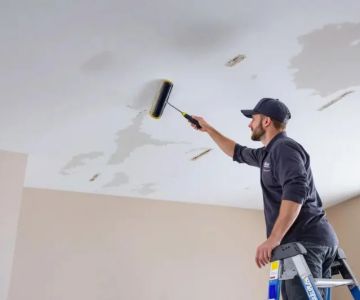
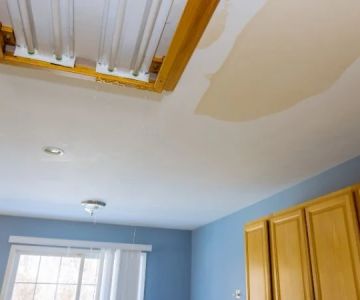
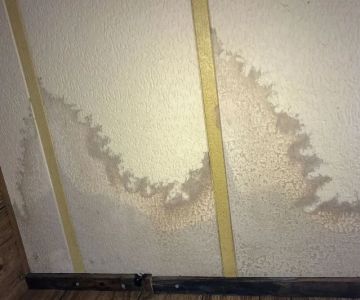
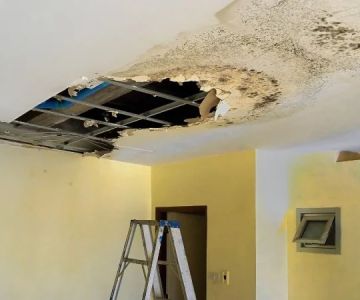
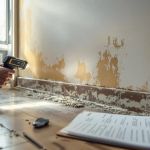
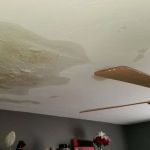
Water damage often shows up as discoloration, warping, or peeling paint on walls and ceilings. Brown or yellow stains may appear, indicating that water has been present for a prolonged period. You may also notice soft or mushy drywall that can crumble easily when touched.
Floors
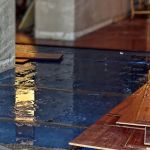
Flooring can warp, bubble, or become discolored due to water infiltration. Hardwood floors are particularly susceptible to water damage, causing them to expand or buckle. Carpets and rugs may absorb moisture, leading to musty odors and mold growth if not properly addressed.
Furniture and Fixtures
Water damage can also impact furniture, appliances, and fixtures in your home. Wooden furniture may swell or crack, while metal fixtures can rust. If you notice any of these signs, it’s time to start the repair process.
3. Step-by-Step Process to Repair Water Damage
Once you've identified the areas affected by water damage, the next step is to begin the repair process. Here's a step-by-step guide to help you restore your space:
Step 1: Assess the Extent of the Damage
Before you start repairs, it’s important to assess the full extent of the damage. Check for structural issues, mold growth, and weakened materials. If the damage is severe, such as compromised structural integrity, it’s best to call a professional restoration service.
Step 2: Dry the Affected Areas
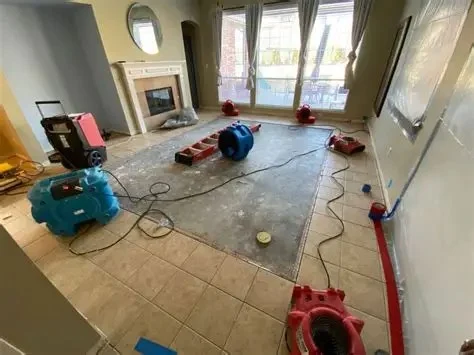
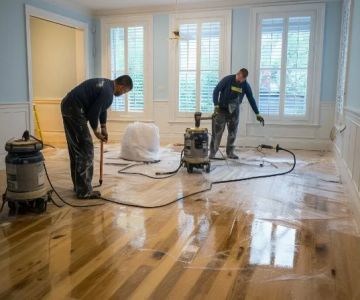
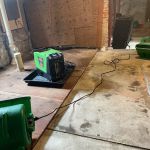
Drying is one of the most critical aspects of the repair process. Use dehumidifiers, fans, and open windows to speed up the drying process. The affected area should be completely dry before starting any repair work to prevent mold growth.
Step 3: Repair or Replace Damaged Materials
Once the area is dry, you can begin repairing or replacing damaged materials. If your drywall is severely damaged, you may need to cut out the affected areas and replace them. For floors, you might need to replace warped boards or carpets. Don’t forget to check the insulation behind walls for moisture, as it could cause future problems.
4. The Importance of Proper Drying Techniques
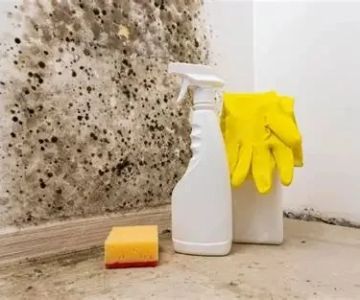
Drying your home thoroughly after water damage is essential for preventing mold and mildew. Mold can begin growing in as little as 24-48 hours, so it’s crucial to start drying the space as soon as possible. Make sure to use professional-grade dehumidifiers and fans if the area is large or severely affected. Pay special attention to areas like crawlspaces and basements, where moisture can linger unnoticed.
5. Long-Term Solutions for Preventing Water Damage
While repairing water damage is necessary, preventing it from happening again is even more important. Here are some long-term solutions:
Proper Sealing
Ensure that your windows, doors, and roof are properly sealed to prevent leaks. Regularly inspect and maintain your roof, gutters, and downspouts to keep them clear of debris that can cause water buildup.
Waterproofing
If you live in an area prone to flooding or heavy rain, consider waterproofing your home. Basement waterproofing and installing sump pumps can help protect your interior from future water damage.
Regular Maintenance
Conduct regular maintenance checks on your plumbing and appliances. Fix any leaks promptly, and consider installing a water leak detection system to alert you to potential issues before they cause significant damage.
 SERVPRO of Dr. Phillips5.0 (29 reviews)
 Restoration Kings5.0 (7 reviews)
 ABC Environmental Contracting Services4.0 (59 reviews)
 PuroClean of Laurel5.0 (5 reviews)
 VetCor Services of Mobile AL4.0 (16 reviews)
 SERVPRO of Nantucket0.0 (0 reviews)
 Water Damage in Apartments: Unique Challenges and Solutions
 What Happens During a Professional Water Damage Assessment
 How to Prevent Water Damage from Water Heaters and Boilers
 How to Prevent Water Damage from Roof Leaks
 How to Prevent Water Damage from Broken Sprinklers
 How to Manage Water Damage Caused by Broken Water Pipes