
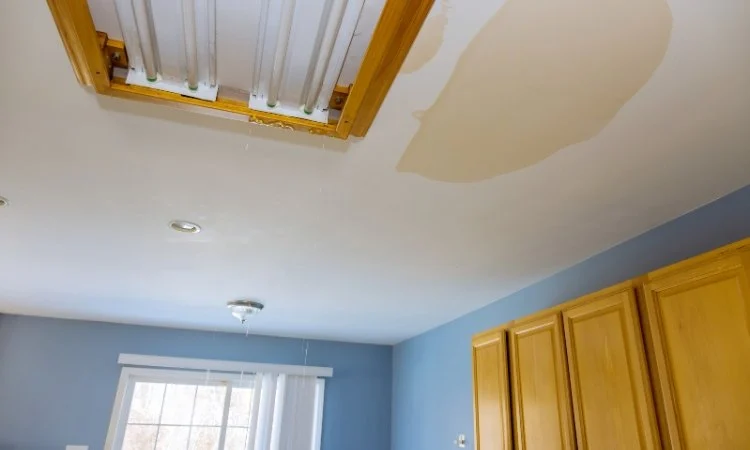
1. Understanding Water Damage and Its Impact on Residential Interiors
Water damage can affect various parts of your home, including walls, floors, furniture, and ceilings. Whether caused by flooding, plumbing leaks, or roof leaks, water damage can quickly lead to mold, structural instability, and unsightly stains. Addressing the problem quickly is essential to prevent further damage and costly repairs. In this article, we’ll guide you through the restoration process, offering practical tips to help you restore your home’s interiors.
2. Assessing the Extent of Water Damage
- 2.1 Identifying Visible Damage
- 2.2 Checking for Hidden Water Damage
- 2.3 Evaluating the Need for Professional Help
2.1 Identifying Visible Damage
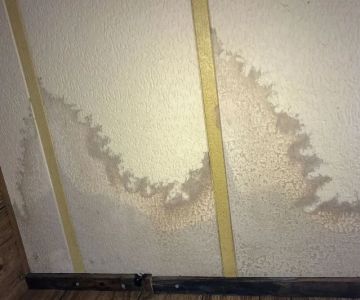
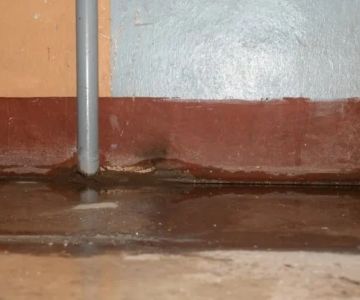
Start by inspecting visible areas of your home, such as walls, ceilings, and floors. Water stains, peeling paint, and bulging drywall are common indicators of water damage. Look for discoloration or warped materials that may signal that moisture has been present for an extended period. These visible signs can help you determine the extent of the damage and plan your restoration process.
2.2 Checking for Hidden Water Damage
Water damage isn’t always easy to spot. Hidden water can seep into the structural components of your home, like insulation or behind walls, making it harder to detect. Check for musty odors, which often indicate mold or mildew growth. You can also use a moisture meter to test areas that appear dry but may still be affected by water. If you suspect hidden damage, it’s a good idea to consult a professional to assess the situation thoroughly.
2.3 Evaluating the Need for Professional Help
If the damage is extensive or if you notice signs of mold, it may be time to call in a professional. Water restoration specialists are trained to handle significant water damage and can help prevent further problems, such as mold infestations or weakened structural integrity. For minor leaks or localized damage, DIY restoration can be effective, but always consider the severity of the situation before proceeding on your own.
3. Steps for Restoring Water-Damaged Interiors
- 3.1 Drying Out the Area
- 3.2 Removing Damaged Materials
- 3.3 Cleaning and Sanitizing
- 3.4 Repairing and Replacing Damaged Materials
3.1 Drying Out the Area
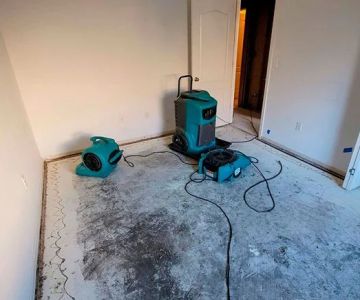
The first step in restoring water-damaged interiors is to dry out the affected area. This is crucial to prevent mold growth and further damage to your home. Use fans, dehumidifiers, and open windows to circulate air and speed up the drying process. In some cases, it may be necessary to remove carpets or flooring to ensure that the area underneath is thoroughly dried.
3.2 Removing Damaged Materials
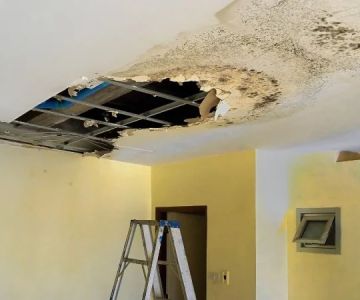
Once the area is dry, you may need to remove damaged materials, such as drywall, insulation, or flooring. If the water damage is severe, you may find that materials like drywall have become weak or saturated and need to be replaced entirely. Be sure to remove any affected areas to prevent future water damage or mold growth.
3.3 Cleaning and Sanitizing
Cleaning and sanitizing are essential steps in the water damage restoration process. Use a mixture of water and mild detergent to clean surfaces that have been affected by water. Be sure to disinfect areas prone to bacteria or mold growth, such as kitchen counters, bathrooms, and floors. In cases of significant water damage, a professional cleaning service may be required to ensure thorough sanitation.
3.4 Repairing and Replacing Damaged Materials
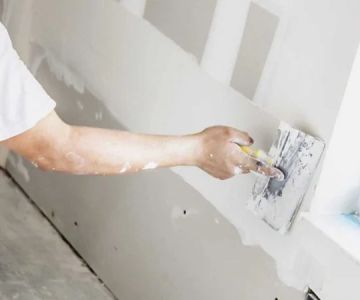
Once the area is clean and dry, it’s time to repair or replace the damaged materials. This might include installing new drywall, replacing insulation, or repairing damaged flooring. Depending on the extent of the damage, you may be able to handle repairs yourself, or you may need to hire a contractor to ensure the work is done correctly.
4. Preventing Future Water Damage
After restoring your home’s interiors, it’s essential to take steps to prevent future water damage. Regularly inspect your plumbing, roof, and gutters to catch issues before they become major problems. Additionally, consider waterproofing areas of your home that are prone to water damage, such as basements or crawl spaces. Installing sump pumps or backflow preventers can also help protect your home from flooding.
5. Real-Life Example: Water Damage Restoration in a Residential Home
In one case, a homeowner in Florida experienced significant water damage due to a burst pipe in the kitchen. The water affected the walls, flooring, and cabinets. After the area was dried out, the homeowner removed the damaged flooring and walls, cleaned and sanitized the area, and replaced the flooring with waterproof materials. The entire restoration process took about a week and helped prevent future water-related issues.
6. Conclusion: Restoring Your Home After Water Damage
Restoring water-damaged residential interiors can be a complex and time-consuming process, but with the right approach, you can bring your home back to its original condition. Whether you choose to handle the repairs yourself or enlist professional help, be sure to follow the steps outlined above to effectively manage water damage and protect your home from future issues. For more information on restoration products and services, visit Reliable Damage Hub, where you can find top-quality tools and services to assist you with your restoration needs.
 Pure Home5.0 (24 reviews)
 Eco Flood & Mold Remediation4.0 (14 reviews)
 Above Board Construction3.0 (3 reviews)
 Mountain-City Pros4.0 (30 reviews)
 SERVPRO of Chantilly4.0 (232 reviews)
 Right Away Restoration5.0 (1 reviews)
 How to Prevent Water Damage from Water Heaters and Boilers
 Water Damage Restoration for Retail Spaces: A Complete Guide
 How to Handle Water Damage From Roof Leaks
 How to Deal with Water Damage from Overflows: A Comprehensive Guide
 What You Need to Know About Handling Water Damage in Your Attic
 Top Tools Every Homeowner Should Have for Water Damage Repair