
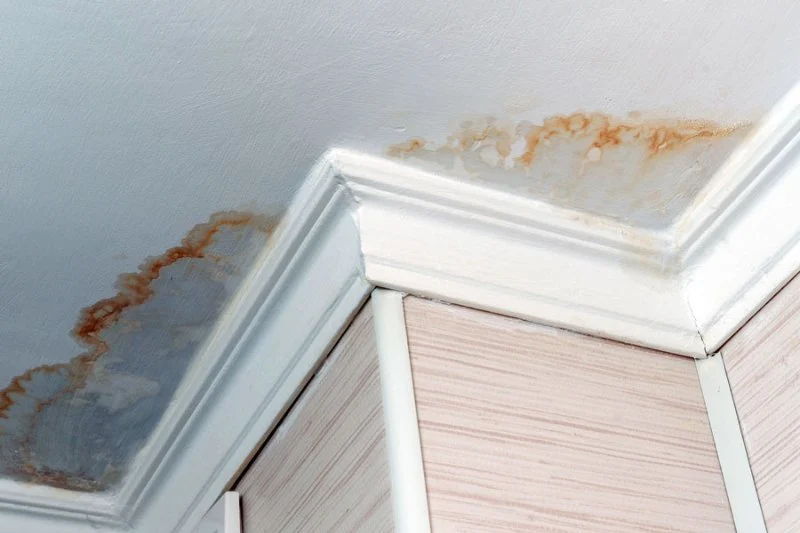
How to Handle Water Damage From Ceiling Leaks
Water damage from ceiling leaks is a common issue for homeowners, and it can lead to significant structural and aesthetic damage if not addressed promptly. Whether the leak is caused by a burst pipe, roof damage, or plumbing issues, knowing how to handle the situation efficiently is crucial. In this article, we’ll guide you through the steps to handle water damage from ceiling leaks and minimize further damage to your home.
- 1. Identifying the Signs of Water Damage
- 2. Steps to Take Immediately After Discovering the Leak
- 3. How to Repair a Water-Damaged Ceiling
- 4. Preventing Future Water Damage
- 5. When to Call a Professional
1. Identifying the Signs of Water Damage
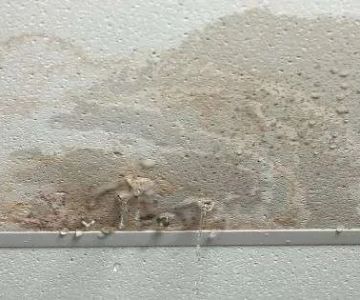
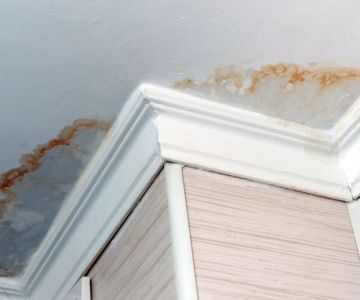
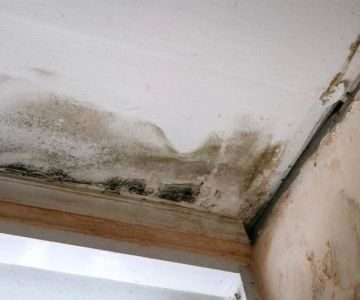
Before you can address the water damage, it's important to identify the signs. A ceiling leak often shows up as brown or yellow stains on the ceiling, which may spread over time. In more severe cases, you may notice sagging or cracking in the ceiling, or even peeling paint and wallpaper. These are all signs that water has already penetrated the ceiling and potentially the structure beneath. If you notice any of these signs, it’s important to act quickly to prevent further damage.

Kustom US Restoration / kustom restoration
1215 W Houston Ave Suite A, Gilbert, AZ 85233, USA
2. Steps to Take Immediately After Discovering the Leak
Once you’ve identified a ceiling leak, your immediate response can prevent further damage:
- Turn off the water supply: If the leak is due to a burst pipe or plumbing issue, immediately turn off the water supply to stop the flow of water.
- Move belongings: Relocate furniture, electronics, or valuable items from the affected area to prevent water damage to them.
- Contain the leak: Place buckets, towels, or containers under the leak to catch the water and minimize the spread.
- Assess the damage: Take photos of the damage for insurance purposes and to document the extent of the problem.
3. How to Repair a Water-Damaged Ceiling
Once the leak has been contained and the immediate threat is handled, it’s time to start the repair process. The steps will depend on the severity of the damage, but they generally include the following:
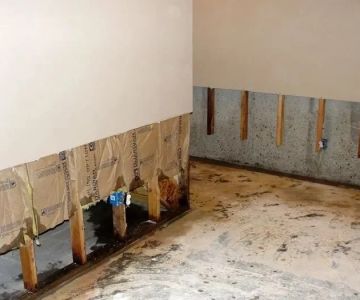
- Remove damaged materials: If the ceiling drywall is saturated, you will need to remove the damaged section. Use a utility knife to cut out the affected area and ensure the material underneath is dry.
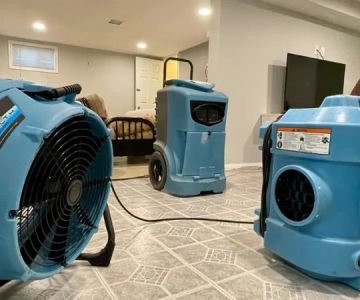
- Dry the area: Use fans or a dehumidifier to dry out the area completely before repairing. If left damp, mold can begin to grow, leading to more extensive issues.
- Repair the ceiling: Replace the damaged drywall or plaster, and patch up any cracks or holes with joint compound. Sand the surface smooth once it’s dry.
- Prime and paint: Once the repaired ceiling is dry, apply a coat of primer to seal the area. Follow up with a matching coat of paint to restore the ceiling’s appearance.
4. Preventing Future Water Damage
While it’s important to address water damage promptly, taking steps to prevent future leaks can save you time and money in the long run. Here are a few preventative measures to consider:
- Inspect the roof: Regularly inspect your roof for signs of damage such as missing shingles or cracked flashing. Address any issues before they turn into leaks.
- Check plumbing: Have a professional plumber inspect your pipes for any signs of wear and tear. Leaky pipes are often the source of ceiling water damage.
- Maintain gutters: Clean your gutters regularly to ensure proper water drainage. Clogged gutters can cause water to overflow and seep into your home’s structure.
5. When to Call a Professional
While some minor water damage repairs can be handled on your own, it’s important to know when to call a professional. If you notice large areas of damage, persistent leaks, or mold growth, it’s best to contact an expert. Additionally, if the leak is coming from an unknown source or involves extensive plumbing or structural issues, a professional contractor or plumber will have the necessary tools and expertise to fix the problem safely.
At Reliable Damage Hub, we provide expert advice, services, and products to help you address water damage in your home. Whether you’re dealing with a ceiling leak or need guidance on repairs, our team is here to support you every step of the way.
 Remza Contractors5.0 (1 reviews)
 Bucci Home Improvements and Restoration, LLC4.0 (8 reviews)
 Parthenon Restoration & Remodeling Inc.5.0 (31 reviews)
 ECM CARPENTRY Kitchen and Bathroom4.0 (32 reviews)
 BAS Mold Removal Long Island5.0 (21 reviews)
 ServiceMaster Restoration By Simons - Lake County IL5.0 (13 reviews)
 How to Prevent Mold Growth After Water Damage in Your Basement
 Water Damage Restoration for Retail Spaces: Effective Solutions for Commercial Properties
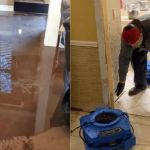 What Are the First Steps in Water Damage Cleanup?
 Can Water Damage Cause Structural Problems in Your Home? | Prevention Tips
 Water Damage Repair for Attics and Roof Spaces: Essential Tips for Prevention
 Water Damage Restoration for Hotels and Hospitality Spaces