
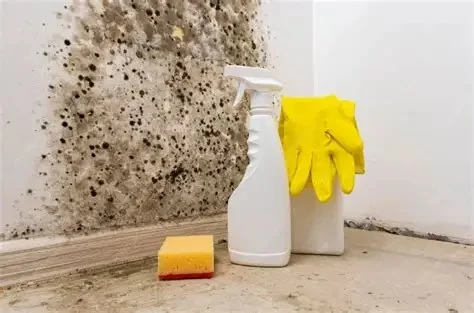
- 1. Introduction to Black Mold After Water Damage
- 2. Safety Precautions When Cleaning Black Mold
- 3. Best Methods to Clean Black Mold
- 4. Preventing Mold from Returning
- 5. When to Call Professionals for Mold Remediation
1. Introduction to Black Mold After Water Damage
Black mold, or Stachybotrys chartarum, is a type of mold that thrives in damp, water-damaged environments. After flooding or any kind of water intrusion, your home is at risk of mold growth. Left untreated, black mold can lead to health problems and serious structural damage. Understanding how to safely clean black mold is essential to ensure a healthy living environment and prevent further damage.
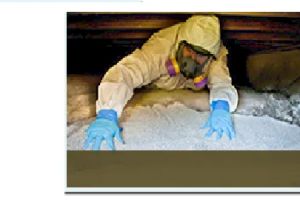
Giants / dry kings restoration of san francisco
San FranciscoSan Francisco CountyCalifornia
685 Geary Blvd, San Francisco, CA 94102, USA
2. Safety Precautions When Cleaning Black Mold
Cleaning black mold is dangerous if proper precautions aren’t taken. The mold spores can easily spread and cause respiratory issues. Here are key safety tips to keep in mind:
- Protective Gear: Always wear gloves, goggles, and an N95 mask when cleaning black mold. This will prevent direct contact with spores and protect your lungs.
- Ventilate the Area: Open windows and use fans to keep the area ventilated. This will help reduce the concentration of mold spores in the air.
- Seal Off the Area: Use plastic sheeting to seal off the area you're cleaning, to prevent spores from spreading to other parts of the house.
3. Best Methods to Clean Black Mold
There are several ways to safely clean black mold, depending on the severity of the infestation and the type of surface affected. Here are some effective cleaning methods:

Wizard Restorations Inc / puroclean of san fernando
Rancho CucamongaSan Bernardino CountyCalifornia
10245 8th St, Rancho Cucamonga, CA 91730, USA
3.1 Cleaning Small Areas of Mold
For small areas, such as bathroom tiles or small wall patches, you can use simple household solutions to clean the mold:
- Vinegar Solution: Mix white vinegar and water in a 1:1 ratio. Spray the solution on the mold and scrub with a brush. Let it sit for 10-15 minutes before wiping it away.
- Baking Soda Solution: Combine 1 cup of baking soda with 1 cup of water to create a paste. Apply the paste to the mold and scrub using a brush.
3.2 Cleaning Larger Areas
If mold covers a larger area, it may be necessary to use stronger cleaning agents or hire a professional. Consider the following methods:
- Bleach Solution: For areas that can handle bleach (such as tiles or cement), mix 1 cup of bleach with 1 gallon of water. Scrub the moldy surface and let the bleach solution sit for at least 10 minutes before rinsing.
- Hydrogen Peroxide Solution: Use 3% hydrogen peroxide directly on mold. Let it sit for 10 minutes, then scrub the surface and wipe away the residue.
4. Preventing Mold from Returning
To prevent mold from returning, it’s crucial to address the source of moisture. Here are a few prevention tips:
- Fix Leaks: Repair any leaks in pipes, walls, or roofs to prevent water from accumulating.
- Control Humidity: Keep indoor humidity levels below 60% with the use of a dehumidifier, especially in areas like basements and bathrooms.
- Improve Ventilation: Ensure that rooms like bathrooms and kitchens are well-ventilated by using exhaust fans.
5. When to Call Professionals for Mold Remediation
If the mold infestation is extensive (more than 10 square feet) or in hard-to-reach areas, it’s time to call a professional mold remediation service. These experts have the tools and expertise to remove the mold safely and effectively, minimizing the health risks and preventing the mold from returning.
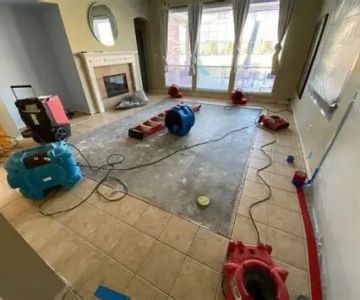
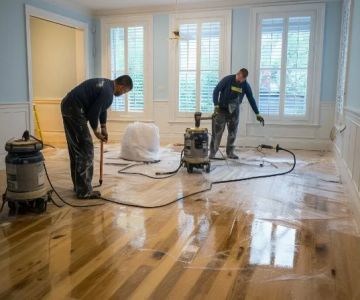
 SERVPRO of Dr. Phillips5.0 (29 reviews)
 Restoration Kings5.0 (7 reviews)
 ABC Environmental Contracting Services4.0 (59 reviews)
 PuroClean of Laurel5.0 (5 reviews)
 VetCor Services of Mobile AL4.0 (16 reviews)
 SERVPRO of Nantucket0.0 (0 reviews)
 Water Damage in Apartments: Unique Challenges and Solutions
 What Happens During a Professional Water Damage Assessment
 How to Prevent Water Damage from Water Heaters and Boilers
 How to Prevent Water Damage from Roof Leaks
 How to Prevent Water Damage from Broken Sprinklers
 How to Manage Water Damage Caused by Broken Water Pipes