
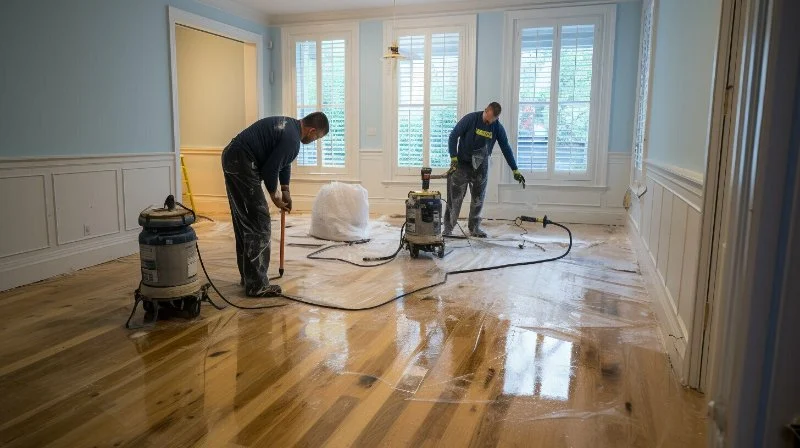
How to Restore Water-Damaged Interior Layers: A Step-by-Step Guide
- 1. Understanding Water Damage: What You Need to Know
- 2. Identifying the Damaged Areas
- 3. Step-by-Step Guide to Restoring Water-Damaged Interior Layers
- 4. Additional Tips and Considerations for Effective Restoration
1. Understanding Water Damage: What You Need to Know
Water damage can affect a variety of interior layers in your home, including walls, ceilings, and floors. Understanding how water infiltrates your home and causes damage is essential before starting any restoration work. Whether it’s due to a leaking roof, a burst pipe, or flooding, water damage can lead to structural issues and long-term problems if not dealt with quickly. In this guide, we will walk you through the steps to restore your home’s interior and prevent further issues.

Kustom US Restoration / kustom restoration
1215 W Houston Ave Suite A, Gilbert, AZ 85233, USA
2. Identifying the Damaged Areas
The first step in restoring water-damaged interior layers is to assess the damage. Identify the areas where water has infiltrated, and inspect both visible and hidden damage. This may include:
Giants / dry kings restoration of san francisco
San FranciscoSan Francisco CountyCalifornia
685 Geary Blvd, San Francisco, CA 94102, USA
2.1. Checking for Stains and Discoloration
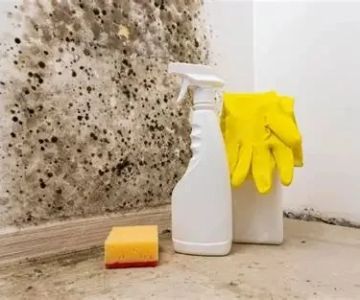
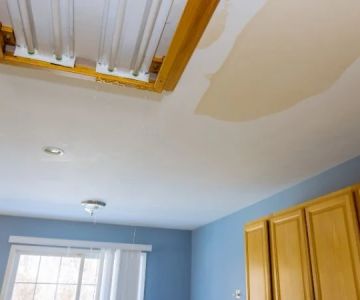
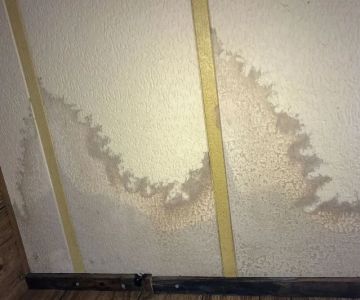
Stains on ceilings, walls, and floors are often the first signs of water damage. Pay attention to yellow, brown, or even dark mold spots, as these can indicate the presence of moisture over time.
2.2. Inspecting for Mold or Mildew
Water-damaged areas are a breeding ground for mold and mildew. Check damp areas, especially in corners or areas with poor ventilation. Mold growth not only causes damage but also presents health risks.
2.3. Evaluating Structural Integrity
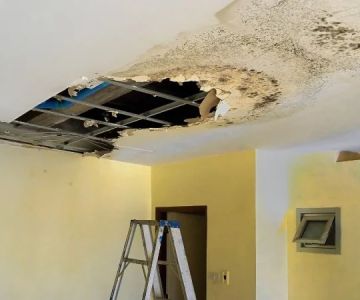
Water can weaken structural components such as wood beams, drywall, and plaster. Check for sagging, warping, or crumbling materials, as these may require more extensive repair or replacement.
3. Step-by-Step Guide to Restoring Water-Damaged Interior Layers
Once you’ve assessed the damage, follow these steps to restore your interior layers:
3.1. Safety First
Before starting any restoration work, make sure the area is safe. Turn off electrical power in affected areas to avoid any risk of electrocution. Wear protective gear such as gloves, masks, and goggles to protect yourself from mold and other debris.
3.2. Drying the Affected Area
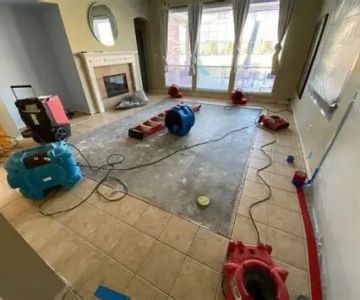
Remove excess water using towels, sponges, or a wet vacuum. For large areas, consider using industrial fans and dehumidifiers to dry out the moisture completely. This step is crucial to prevent mold growth and further deterioration of materials.
3.3. Repairing and Replacing Damaged Layers
For minor damage, you can repair the affected areas with patching materials such as joint compound or wood filler. For more severe damage, you may need to replace damaged drywall, plaster, or flooring. It’s important to ensure that the area is completely dry before proceeding with repairs to avoid trapping moisture inside.
3.4. Painting and Finishing Touches
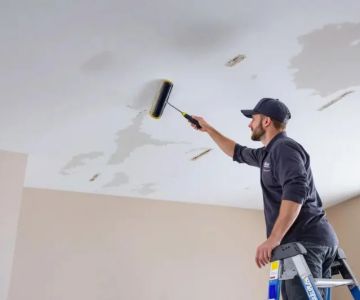
Once repairs are made, repaint the affected surfaces to restore their original appearance. Choose mold-resistant paint to help prevent future water damage. Be sure to allow enough drying time before applying any finishes to ensure the surface is fully sealed.
4. Additional Tips and Considerations for Effective Restoration
Restoring water-damaged interiors requires patience and attention to detail. Here are some additional tips for ensuring a successful restoration:
4.1. Professional Help
If the damage is extensive or if you find mold growing behind walls or ceilings, it’s best to call in a professional restoration service. They have the tools and experience to handle larger-scale repairs and ensure that the problem is properly addressed.
4.2. Prevent Future Water Damage
To avoid future issues, make sure to address the root cause of the water damage, such as leaks in the roof or plumbing problems. Regular maintenance and timely repairs can prevent future damage and save you from costly repairs down the line.
4.3. Consider Upgrading Your Interior
While restoring your home, consider upgrading to water-resistant materials such as moisture-resistant drywall, vinyl flooring, or water-resistant paint. These upgrades will improve the durability of your home’s interior and prevent similar issues in the future.
By following these steps and taking the necessary precautions, you can restore your water-damaged interior layers and protect your home from further harm. For professional help and top-quality products, visit Reliable Damage Hub for the best solutions for your home restoration needs!
 SERVPRO of Dr. Phillips5.0 (29 reviews)
 Restoration Kings5.0 (7 reviews)
 ABC Environmental Contracting Services4.0 (59 reviews)
 PuroClean of Laurel5.0 (5 reviews)
 VetCor Services of Mobile AL4.0 (16 reviews)
 SERVPRO of Nantucket0.0 (0 reviews)
 Water Damage in Apartments: Unique Challenges and Solutions
 What Happens During a Professional Water Damage Assessment
 How to Prevent Water Damage from Water Heaters and Boilers
 How to Prevent Water Damage from Roof Leaks
 How to Prevent Water Damage from Broken Sprinklers
 How to Manage Water Damage Caused by Broken Water Pipes