
- 1. Understanding Sump Pumps and Their Role
- 2. Common Causes of Sump Pump Failures
- 3. How to Prevent Sump Pump Failures and Water Damage
- 4. Sump Pump Maintenance and Testing Tips
- 5. Backup Solutions for Sump Pump Failures
1. Understanding Sump Pumps and Their Role
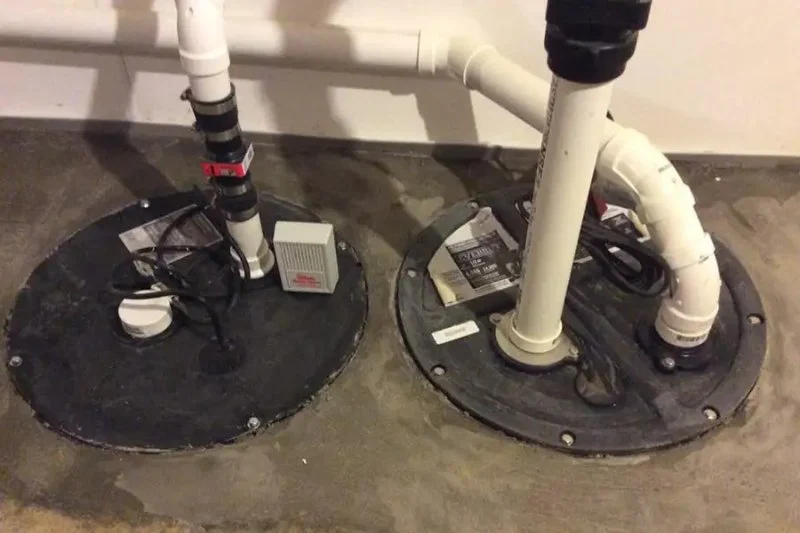
A sump pump is an essential tool for homeowners, especially in areas prone to heavy rain or flooding. Located in the basement or crawl space, it is responsible for removing excess water that may accumulate and prevent flooding. When working properly, a sump pump ensures that water doesn’t pool in the basement, protecting your home’s foundation, walls, and flooring from costly water damage.
However, sump pumps can fail for various reasons, leading to serious water damage if not addressed promptly. Understanding how a sump pump works and what can go wrong is the first step in preventing potential damage. Knowing this allows you to take proactive steps in maintaining and protecting your sump pump system.

Kustom US Restoration / kustom restoration
1215 W Houston Ave Suite A, Gilbert, AZ 85233, USA
2. Common Causes of Sump Pump Failures
Sump pump failures can occur for several reasons. Recognizing these causes early on can help you prevent major water damage to your basement. Here are the most common causes of sump pump failures:
Giants / dry kings restoration of san francisco
San FranciscoSan Francisco CountyCalifornia
685 Geary Blvd, San Francisco, CA 94102, USA
1. Power Failure
One of the most common reasons a sump pump fails is due to power loss. During heavy storms or extreme weather conditions, power outages are frequent. Since sump pumps rely on electricity to operate, any interruption in power can leave your basement vulnerable to flooding.
2. Clogged Discharge Line
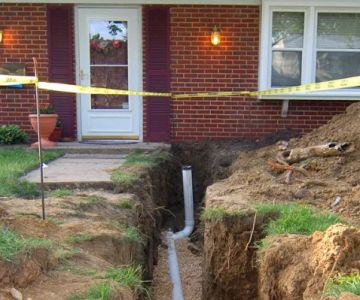
Another cause of sump pump failure is a clogged discharge line. The discharge line carries the water away from your basement. If it becomes clogged with debris, dirt, or ice, the water has nowhere to go, causing the pump to back up and potentially flood the basement.
3. Overworked Pump
If the sump pump is too small for your basement or the system is overworked due to high water levels, it can fail. A pump that runs continuously without sufficient power or capacity may burn out, causing significant damage before it’s noticed.
4. Mechanical Failures
Sump pumps have mechanical components that can wear out over time. If not regularly serviced, issues such as a stuck float switch or worn-out motor can prevent the pump from functioning properly.
3. How to Prevent Sump Pump Failures and Water Damage
Preventing sump pump failures starts with proper installation and ongoing maintenance. Below are some essential steps homeowners can take to ensure their sump pump is functioning optimally and to reduce the risk of water damage:
1. Proper Installation
Ensure that your sump pump is correctly installed according to manufacturer guidelines. A pump that’s improperly installed may not operate as efficiently or might be prone to failure. It's crucial that the pump is placed at the correct depth, with a discharge line leading to an appropriate location outside the home.
2. Check the Pump's Capacity
Ensure your sump pump is the correct size for the size of your basement and the volume of water it needs to handle. An undersized pump will struggle to keep up with water levels, increasing the risk of failure. Consult with a professional to determine the right capacity for your home.
4. Sump Pump Maintenance and Testing Tips
Regular maintenance and testing are key to preventing sump pump failures. Here’s how you can maintain your sump pump to ensure its longevity and functionality:
1. Test Your Pump Regularly
Test your sump pump regularly to ensure it is working properly. This can be done by pouring water into the sump pit to trigger the pump and ensuring that it starts and removes the water efficiently. Testing should be done every 1–2 months, especially before the rainy season.
2. Clean the Sump Pit and Pump
Over time, dirt, debris, and sludge can accumulate in the sump pit and pump. Cleaning the pit and the pump will help maintain proper functionality. Be sure to turn off the power before performing any cleaning to avoid electrical issues.
3. Inspect the Discharge Line
Check the discharge line for any blockages or signs of damage. Ensure that the line is clear and extends far enough from your home to direct water away from the foundation. A clogged discharge line is a leading cause of sump pump failure, so regular inspections are essential.
5. Backup Solutions for Sump Pump Failures
Even with regular maintenance, accidents can still happen, and sometimes a sump pump can fail during a critical moment. Installing a backup system can help ensure your basement stays dry even during power outages or pump malfunctions. Here are some backup options to consider:
1. Battery-Powered Backup Pump
A battery-powered backup sump pump is an excellent solution for power outages. These pumps automatically activate when the primary pump fails or when power is lost. A backup pump can provide peace of mind, knowing that your basement will remain protected even when the main pump is not functioning.
2. Water-Powered Backup Pump
Water-powered backup pumps use your home's water pressure to operate. These pumps are beneficial because they do not require electricity or batteries, making them a reliable alternative in case of power failure. However, they typically have a lower pumping capacity than battery-powered models, making them more suitable for less severe water intrusion.
3. Sump Pump Alarm System
Installing an alarm system that monitors the water levels in your sump pit can help alert you to issues before they become catastrophic. This early warning system will notify you if the water level rises too high, allowing you to address the issue before it results in flooding.
If you're looking for high-quality sump pumps, backup systems, or expert advice on protecting your home from water damage, visit Reliable Damage Hub. We offer a wide range of products and services to keep your home safe from water damage.
 Phoenix, Inc4.0 (29 reviews)
 24-7 Secured Board Up4.0 (16 reviews)
 PuroClean Property Restoration4.0 (38 reviews)
 SPC Restoration4.0 (6 reviews)
 Top Restoration5.0 (8 reviews)
 Ultra Hygiene Services (UHS Mold)5.0 (21 reviews)
 Can I Repair Water Damage Myself? Here’s What You Should Know
 Water Damage Repair for Basement Walls: A Complete Guide
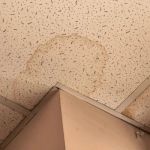 Water Damage Repair for Ceiling Tiles: How to Fix and Restore
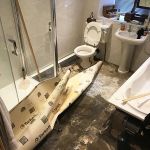 Water Damage Repair for Bathroom Flooring and Tile
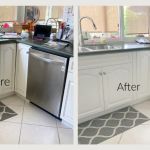 How to Restore Water-Damaged Cabinets and Countertops: A Step-by-Step Guide
 How to Repair Water-Damaged Drywall