
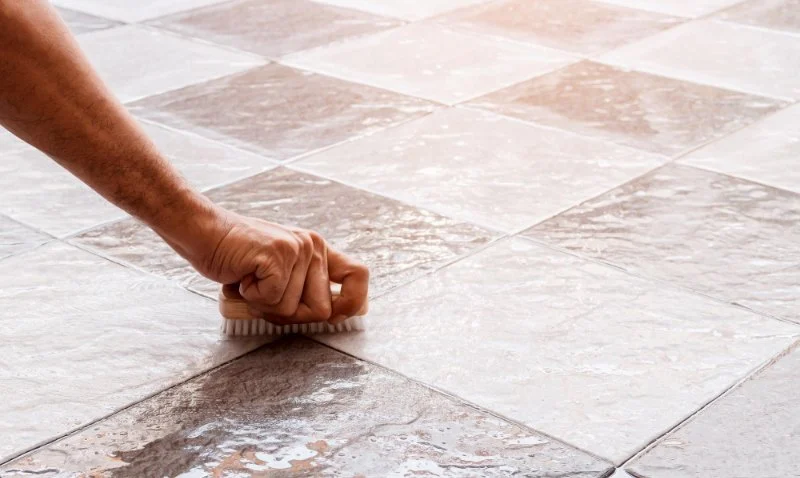
Water Damage Repair for Tile and Grout
- 1- Understanding Water Damage to Tile and Grout
- 2- Common Causes of Water Damage to Tile and Grout
- 3- How to Identify Water Damage to Tile and Grout
- 4- Steps to Repair Water-Damaged Tile and Grout
- 5- Prevention Tips for Future Water Damage
Water damage can wreak havoc on your tile and grout, weakening the structure, causing stains, or even leading to mold growth. Whether you’re dealing with a small leak or a larger flood, it’s important to know how to handle water damage and restore your tile and grout to their original condition. This guide will walk you through the causes of water damage, how to identify it, and steps to repair the damage.

Kustom US Restoration / kustom restoration
1215 W Houston Ave Suite A, Gilbert, AZ 85233, USA
1- Understanding Water Damage to Tile and Grout
Tile and grout are generally resistant to moisture, but when exposed to excessive water, they can sustain damage. Water can seep into the grout lines, weaken the adhesive bond between the tiles and the subfloor, and promote the growth of mold and mildew. Understanding how water damage occurs is crucial to properly addressing the issue.

Drip Restoration / valleywide restoration mesa az
932 S Stapley Dr, Mesa, AZ 85204, USA
2- Common Causes of Water Damage to Tile and Grout
Water damage to tile and grout is often caused by a variety of factors, including:
1. Leaky Pipes or Plumbing
Leaky pipes can cause water to seep into the grout, leading to structural damage. This can be particularly problematic if the leak is slow and goes unnoticed over time.
2. Overflowing Water Fixtures
Water that spills over from bathtubs, sinks, or toilets can cause significant damage to both the tile and grout. If not cleaned up quickly, the water can seep through the grout and into the underlying layers of the floor.
3. High Humidity Levels
Bathrooms, kitchens, and other areas with high humidity can contribute to water damage. The constant exposure to moisture can weaken the grout, leading to cracks and discolored tiles.
3- How to Identify Water Damage to Tile and Grout
It’s important to catch water damage early to prevent long-term issues. Here are some common signs of water damage to tile and grout:
1. Discolored or Stained Grout
If the grout lines have become discolored or stained, it could be a sign of water penetration. Mold or mildew growth may also cause dark stains along the grout lines.
2. Soft or Loose Tiles
If tiles feel soft or loose to the touch, it could indicate that water has seeped under the tiles, weakening the adhesive and causing the tiles to detach from the floor or wall.
3. Mold and Mildew Growth
One of the most obvious signs of water damage is mold and mildew growth. This is particularly common in damp areas like bathrooms or kitchens.
4- Steps to Repair Water-Damaged Tile and Grout
Repairing water damage to tile and grout involves several steps. Here's how you can go about fixing the damage:
1. Identify and Fix the Source of Water
The first step is to stop the source of the water. Whether it's a leaky pipe, overflowing fixture, or high humidity, you must resolve the issue before repairing the damage.
2. Remove and Replace Damaged Grout
If the grout has been weakened or stained, it may need to be removed and replaced. Use a grout saw or specialized tool to carefully remove the old grout, and then apply new grout to the affected areas.
3. Reseal the Grout
After replacing the grout, it's important to apply a grout sealer. This will help prevent water from seeping in again, protecting your tile and grout from future damage.
4. Reinstall Loose Tiles
If the tiles have become loose due to water damage, you may need to re-glue them in place. Use a strong adhesive designed for tile installation to secure the tiles to the subfloor or wall.
5. Clean and Dry the Area Thoroughly
After repairing the tiles and grout, clean the area thoroughly to remove any excess moisture. Dry the area completely to prevent further mold and mildew growth.
5- Prevention Tips for Future Water Damage
Once you’ve repaired the damage, it’s essential to take steps to prevent future water damage. Here are some useful tips:
1. Regularly Inspect Pipes and Fixtures
Check your plumbing and water fixtures regularly for leaks or damage. Fixing small issues before they become big problems can save you time and money in the long run.
2. Use Grout Sealers
Regularly applying a grout sealer can help protect your grout from moisture and stains. This is especially important in high-humidity areas like bathrooms and kitchens.
3. Improve Ventilation
Ensure your home is well-ventilated, particularly in areas prone to moisture buildup. Use exhaust fans in bathrooms and kitchens, and open windows when possible to improve airflow.
For more expert advice and solutions on water damage repair for tile and grout, visit Reliable Damage Hub to find the best products and services available!
 RestoreCore4.0 (14 reviews)
 All Dry Services Twin Cities4.0 (65 reviews)
 Ice Dam Guys4.0 (572 reviews)
 USA Water and Fire Restoration4.0 (5 reviews)
 Straight Line Professional Painting LLC5.0 (19 reviews)
 AdvantaClean of Badgerland4.0 (117 reviews)
 How to Prevent Mold Growth After Water Damage in Your Basement
 DIY vs. Professional Water Damage Repair: Which Is Right for You?
 How to Prevent Water Damage From Heavy Rainfall – Effective Home Protection Tips
 Water Damage Restoration Tips for Home Renovations - Effective Solutions
 Water Damage Restoration for Multi-Family Homes: A Comprehensive Guide
 Water Damage: How to Spot Early Warning Signs Before It’s Too Late