
- 1- Understanding Water Damage from a Broken Washing Machine Hose
- 2- Initial Steps to Take After the Hose Breaks
- 3- How to Clean Up Water Damage Effectively
- 4- Preventing Future Water Damage from Washing Machine Hoses
- 5- Real-Life Case: Dealing with Washing Machine Water Damage
1. Understanding Water Damage from a Broken Washing Machine Hose
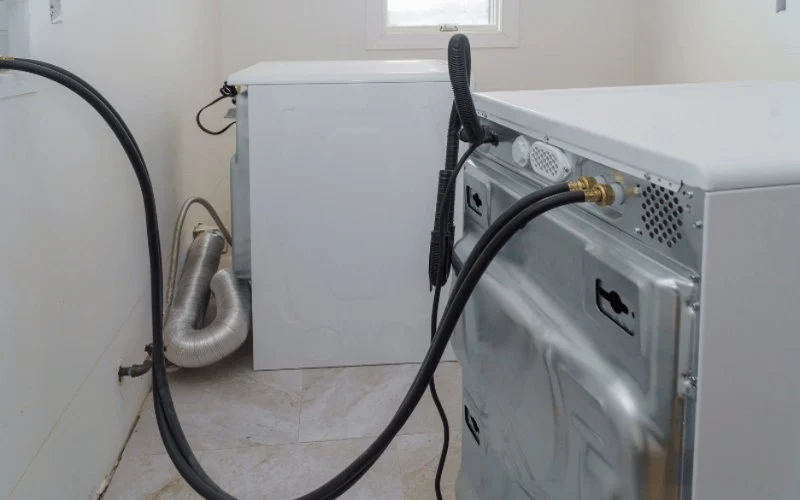
Water damage from a broken washing machine hose can lead to significant problems in your home, including ruined floors, mold growth, and electrical hazards. Washing machine hoses, especially older ones, are prone to bursting due to wear and tear. When the hose breaks, water can flood the area around the washing machine, affecting your floors, walls, and even ceilings if the machine is on an upper level.
It's crucial to understand the potential risks involved with washing machine hose failures, as the water damage can spread quickly, leading to costly repairs if not addressed promptly.
SERVPRO of Pompano Beach / servpro of santa maria
Pompano BeachBroward CountyFlorida
2101 NW 33rd St #200a, Pompano Beach, FL 33069, USA
2. Initial Steps to Take After the Hose Breaks
If you discover that your washing machine hose has broken and water is leaking, it's important to take immediate action. Here are the initial steps you should follow:
- Turn Off the Water Supply: The first thing you need to do is turn off the water supply to the washing machine. This will stop the flow of water and prevent further damage.
- Disconnect the Power: Unplug the washing machine to eliminate any electrical hazards. Water and electricity don’t mix, and it’s safer to disconnect the power to prevent any accidents.
- Assess the Damage: Once you’ve stopped the water flow and disconnected the power, assess the extent of the damage. Check the area around the washing machine, including floors, walls, and nearby furniture, for water exposure.
3. How to Clean Up Water Damage Effectively
Cleaning up water damage caused by a broken washing machine hose requires a systematic approach to avoid further issues like mold growth. Here’s how you can clean up the damage effectively:
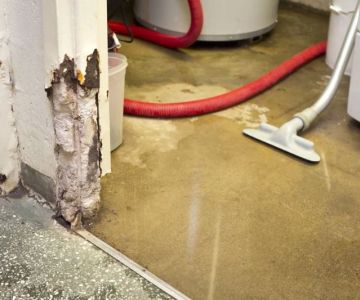
- Remove Standing Water: Use a wet/dry vacuum or towels to soak up any standing water around the affected area. The faster you remove the water, the less likely it is to cause lasting damage.
- Dry the Area Thoroughly: Once the water is removed, use fans and dehumidifiers to dry out the area. Make sure to focus on areas that are prone to mold, such as corners and under furniture.
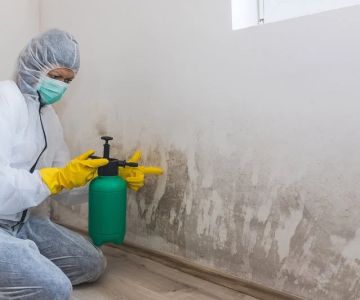
- Inspect for Mold Growth: Check the affected areas for signs of mold. If mold begins to develop, you may need professional assistance to ensure it’s properly removed and the area is sanitized.
- Check Your Flooring: If your floor is damaged, such as warping or discoloration, consider replacing it to prevent further damage. Wooden floors, in particular, are highly susceptible to water damage.
4. Preventing Future Water Damage from Washing Machine Hoses
Once you’ve dealt with the immediate damage, it’s time to focus on preventing future incidents. Here are some prevention tips to keep in mind:
- Inspect Your Hoses Regularly: Inspect your washing machine hoses every six months for any signs of wear, cracks, or bulging. Replace old hoses to prevent potential bursts.
- Use Steel-Braided Hoses: Consider replacing standard rubber hoses with steel-braided hoses, which are much more durable and less likely to break under pressure.
- Install a Flood Stop Valve: Flood stop valves can detect water leaks and automatically shut off the water supply to the washing machine, preventing a flooding situation.
- Replace Hoses Every 5 Years: Even with proper maintenance, washing machine hoses degrade over time. Replacing them every five years can help ensure they remain in good condition and minimize the risk of damage.
5. Real-Life Case: Dealing with Washing Machine Water Damage
A homeowner in Florida experienced significant water damage when their washing machine hose burst while they were on vacation. Upon their return, they found several inches of water had flooded the laundry room and spread into the kitchen. The damage was extensive, with warped floors and mold growth in the corners of the room. They quickly followed the cleanup steps, using a wet vacuum to remove the water and dehumidifiers to dry the area.
To prevent future issues, they replaced their rubber hoses with steel-braided hoses and installed a flood stop valve. This case highlights the importance of regular hose maintenance and taking immediate action when water damage occurs.
At Reliable Damage Hub, we understand the importance of addressing water damage quickly and effectively. If you're dealing with a broken washing machine hose or any other water damage issue, visit our site for the best products, services, and advice on preventing and managing water-related issues in your home.
 Excel Water Damage Restoration Anaheim0.0 (0 reviews)
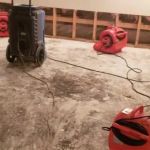 Berliner Water Damage5.0 (3 reviews)
 J & D Waterproofing & Home Improvements3.0 (113 reviews)
 GRC Contractors LLC4.0 (51 reviews)
 Monroe Mold Removal Team5.0 (3 reviews)
 RNR Construct Co Inc.5.0 (5 reviews)
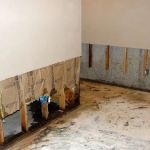 How to Repair Water-Damaged Wall Panels
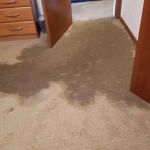 Water Damage Repair for Soggy Carpets: Tips and Tricks
 How to Properly Dispose of Water Damaged Materials
 Water Damage Repair for Hardwood Stairs Made Simple
 What to Do if Your Roof Is Leaking and Causing Water Damage Inside
 How to Handle Water Damage From Sewer Backups – Steps for Cleanup & Prevention