
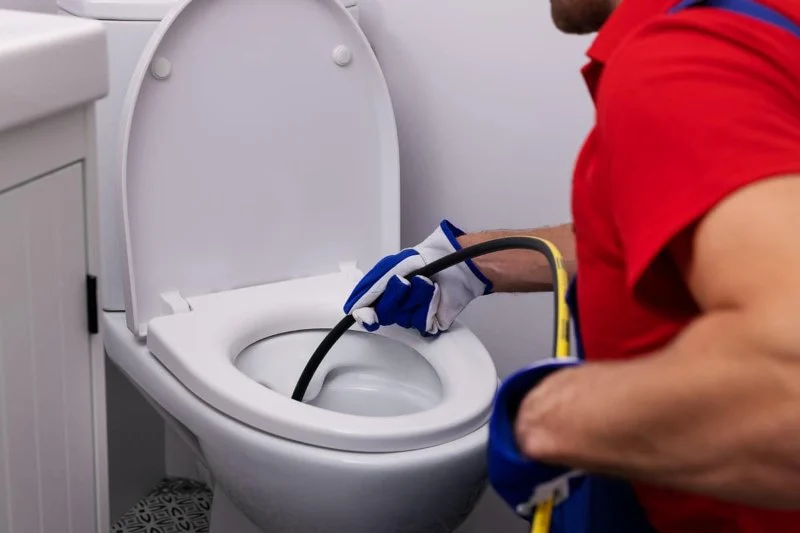
- 1-Introduction to Water Damage from Clogged Drains and Toilets
- 2-Common Causes of Clogged Drains and Toilets
- 3-How to Prevent Clogged Drains and Toilets
- 4-Regular Plumbing Maintenance to Avoid Water Damage
- 5-Case Study: A Real-Life Water Damage Scenario
- 6-What to Do If You Experience Clogged Drains or Toilets
- 7-Conclusion: Protecting Your Home from Water Damage
1. Introduction to Water Damage from Clogged Drains and Toilets
Water damage from clogged drains and toilets can lead to costly repairs and long-term issues for homeowners. When drains or toilets become blocked, water can overflow, seeping into walls, floors, and other areas of your home. This often results in structural damage, mold growth, and ruined personal property. Preventing these issues requires regular maintenance, awareness of common causes, and immediate action when problems arise. In this article, we’ll discuss how to prevent water damage caused by clogged drains and toilets, and share helpful tips to keep your plumbing system functioning properly.
Giants / dry kings restoration of san francisco
San FranciscoSan Francisco CountyCalifornia
685 Geary Blvd, San Francisco, CA 94102, USA
2. Common Causes of Clogged Drains and Toilets
Understanding the causes of clogs can help you prevent them before they cause damage. Some of the most common causes of clogged drains and toilets include:
- Grease Build-Up: Pouring grease or oil down the drain can create a sticky blockage that accumulates over time.
- Hair and Soap Scum: In bathroom drains, hair and soap scum often build up, causing slow drainage and eventually leading to blockages.
- Foreign Objects: Flushing items like wipes, paper towels, and sanitary products can clog toilets and drain pipes.
- Tree Roots: Tree roots can infiltrate underground pipes, causing blockages that lead to severe clogs and flooding.
- Old or Damaged Pipes: Aging pipes may be more prone to corrosion or cracking, making them vulnerable to blockages.
Identifying these issues early can help prevent more serious problems, such as overflowing toilets and water damage in your home.

Kustom US Restoration / kustom restoration
1215 W Houston Ave Suite A, Gilbert, AZ 85233, USA
3. How to Prevent Clogged Drains and Toilets
There are several proactive steps you can take to prevent clogged drains and toilets, saving you from costly water damage repairs:
- Avoid Pouring Grease Down the Drain: Always dispose of grease in the trash, not down the sink. This will prevent greasy build-ups that can lead to clogs.
- Install Drain Covers: Use drain covers in sinks and showers to catch hair and debris before they go down the drain.
- Regularly Flush the Toilet: Avoid flushing anything other than toilet paper to prevent toilet clogs. Consider installing a dual-flush toilet for efficiency.
- Maintain Outdoor Drains: Check your outdoor drains regularly for debris and ensure they are not obstructed by leaves or tree branches.
- Use Natural Drain Cleaners: Regularly clean drains with natural solutions like baking soda and vinegar to prevent the accumulation of soap scum and debris.
4. Regular Plumbing Maintenance to Avoid Water Damage
Prevention is key when it comes to plumbing maintenance. Here are some important tasks to keep your plumbing system in good condition and reduce the risk of clogs and water damage:
- Schedule Annual Plumbing Inspections: Have a professional plumber inspect your plumbing system yearly to identify potential issues before they become major problems.
- Check for Leaks: Regularly check faucets, pipes, and toilets for leaks that could cause water damage over time.
- Clean Sewer Lines: Over time, sewer lines can accumulate debris and waste. Consider scheduling regular sewer line cleaning to prevent blockages.
- Maintain Water Pressure: High water pressure can strain your pipes, leading to potential leaks or bursts. Install a pressure regulator if needed.
5. Case Study: A Real-Life Water Damage Scenario
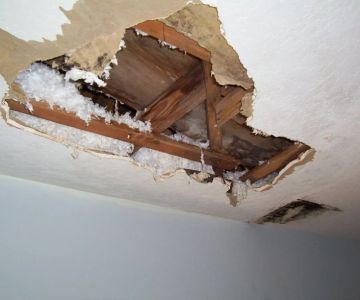
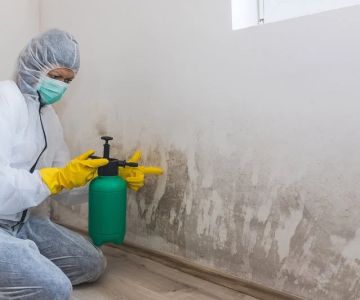
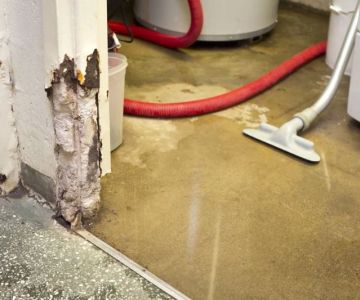
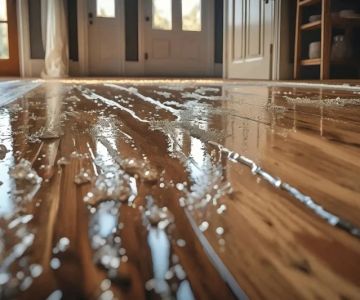
Let’s look at the story of the Johnson family, who experienced significant water damage after their toilet became clogged. They had ignored a slow drain in their bathroom for several months, thinking it was just a minor inconvenience. Unfortunately, this slow drain eventually led to a complete blockage, causing the toilet to overflow during a holiday gathering. The water spread across the bathroom and into the hallway, causing structural damage and mold growth.
If the Johnsons had addressed the slow drain earlier, they could have avoided the costly repairs and cleanup that followed. Regular plumbing maintenance and prompt attention to minor clogs would have prevented the situation entirely. This case highlights the importance of being proactive in maintaining your plumbing system and addressing clogs before they cause significant damage.
6. What to Do If You Experience Clogged Drains or Toilets
If you encounter a clogged drain or toilet, here’s what you can do immediately to avoid water damage:
- Turn off the Water: If a toilet is overflowing, immediately turn off the water supply to prevent further flooding.
- Use a Plunger: Try using a plunger to dislodge the clog in the toilet or sink. Be sure to use the appropriate plunger for each fixture.
- Try a Drain Snake: A drain snake can help break through deeper clogs in pipes.
- Call a Professional Plumber: If the clog persists or if there’s water damage, call a professional plumber to resolve the issue safely and effectively.
7. Conclusion: Protecting Your Home from Water Damage
Clogged drains and toilets may seem like a minor inconvenience, but they can quickly lead to significant water damage if not addressed in time. Regular plumbing maintenance, early identification of clogs, and prompt action are crucial in preventing expensive repairs and protecting your home. By following the prevention tips outlined in this article, you can ensure your plumbing system remains in good working condition and avoid costly water damage in the future.
For further assistance with plumbing or to find high-quality tools and services to prevent water damage, visit Reliable Damage Hub, where we offer the best solutions for your home’s protection.
 Aria Construction Group4.0 (22 reviews)
 Professional Exteriors Inc4.0 (170 reviews)
 BELFOR Property Restoration (Philadelphia)3.0 (54 reviews)
 Damage Control, Inc.4.0 (52 reviews)
 Integrity Air Quality Solution5.0 (6 reviews)
 SERVPRO of Palm Desert4.0 (45 reviews)
 How to Repair Water-Damaged Cabinets and Countertops
 Water Damage Restoration Techniques: Drying, Sanitizing, and More
 How to Dry Out Your Home After Water Damage: A Complete Guide
 Water Damage Repair for Basement Ceilings: Causes, Solutions, and Prevention
 How to Restore Water-Damaged Electronics Safely
 How to Repair Water-Damaged Drywall