
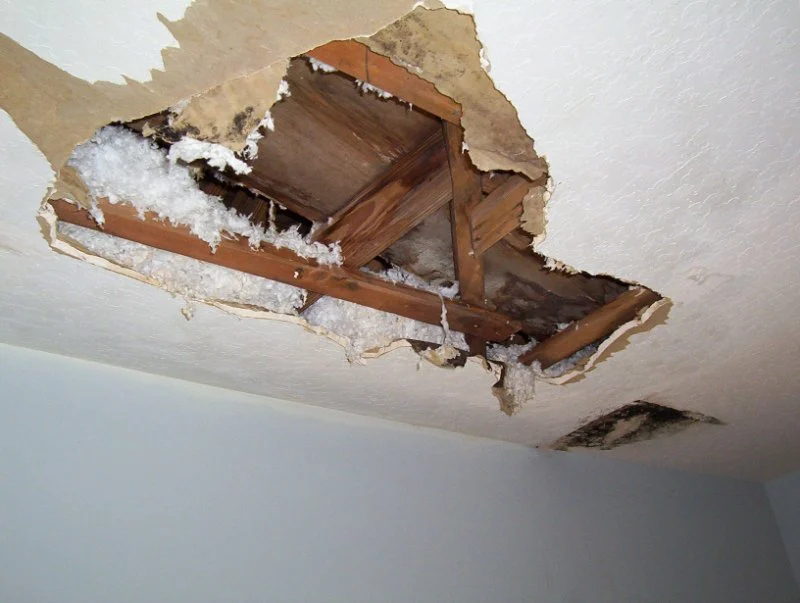
- 1. Why Water Damage in Insulation Is a Problem
- 2. Signs of Water Damage in Insulation
- 3. How to Repair Water-Damaged Insulation
- 4. Preventing Future Water Damage to Insulation
- 5. When to Call Professionals for Water Damage in Insulation
1. Why Water Damage in Insulation Is a Problem
Water damage in your home’s insulation can lead to a variety of serious problems that can affect both the structural integrity of your home and your indoor air quality. Insulation is designed to keep your home energy-efficient by maintaining temperature control, but when it becomes wet, it loses its effectiveness and can even promote the growth of mold and mildew.
If left untreated, water-damaged insulation can cause long-term damage to walls, ceilings, and floors, as well as lead to increased energy costs. Additionally, wet insulation can lead to unpleasant odors and contribute to respiratory issues, especially if mold growth occurs. It’s important to address water damage in insulation quickly to avoid these health and property risks.

Kustom US Restoration / kustom restoration
1215 W Houston Ave Suite A, Gilbert, AZ 85233, USA
2. Signs of Water Damage in Insulation
Recognizing the signs of water damage in your insulation early can help prevent further issues. Here are some common signs to look for:
Drip Restoration / valleywide restoration mesa az
932 S Stapley Dr, Mesa, AZ 85204, USA
2.1 Damp or Wet Insulation
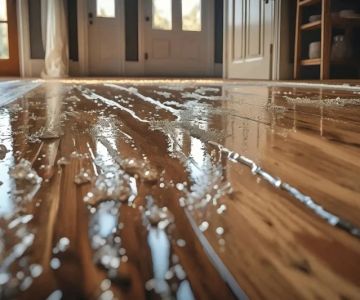
If you notice that your insulation feels damp or wet to the touch, it is a clear indication that water has infiltrated the material. Insulation should be dry to be effective, so any moisture can lead to decreased performance.
2.2 Discoloration or Staining
Water damage often leaves behind visible stains or discoloration on insulation. If you see brown, yellow, or rust-colored patches on the insulation, it’s likely from water intrusion. These stains can also be an indication of long-term moisture exposure.
2.3 Mold or Mildew Growth
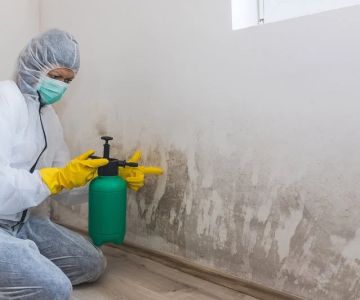
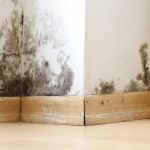
Mold and mildew thrive in damp environments, and insulation is a perfect breeding ground when exposed to water. If you smell musty odors or see visible mold growth on or around your insulation, it’s time to take action immediately. Mold can cause serious health problems, including respiratory issues, and should be handled by professionals if it has spread extensively.
3. How to Repair Water-Damaged Insulation
Repairing water-damaged insulation is essential to restore your home’s energy efficiency and prevent further damage. The process can vary depending on the type of insulation you have and the extent of the water damage. Here’s a general guide on how to repair it:
3.1 Assess the Damage
The first step in repairing water-damaged insulation is to assess the extent of the damage. Check the insulation in the affected areas to determine if it is saturated or if mold growth is present. If the damage is limited to a small section, it may be possible to repair it. However, if the damage is widespread, replacing the insulation might be necessary.
3.2 Remove the Damaged Insulation
Once you’ve assessed the damage, remove the wet insulation carefully. If it’s fiberglass insulation, be sure to wear protective gear such as gloves, a mask, and safety goggles to avoid irritation from the fibers. For cellulose insulation, which can absorb moisture, you may need to dispose of it entirely.
3.3 Dry the Area
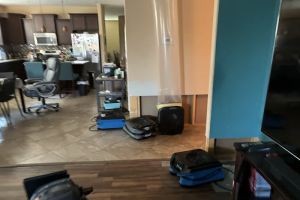
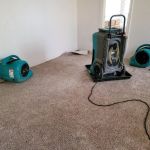
Before installing new insulation, it’s crucial to dry out the area thoroughly. Use fans, dehumidifiers, and even space heaters to dry the walls and any remaining materials. Make sure the area is completely dry to prevent mold and mildew from forming in the future.
3.4 Install New Insulation
After the area is dry, you can install new insulation. Choose the right type of insulation for your home and climate. For areas prone to moisture, consider using moisture-resistant materials like spray foam or closed-cell foam insulation, which can help prevent future water damage.
4. Preventing Future Water Damage to Insulation
Once you’ve dealt with water damage, it’s important to take steps to prevent future issues. Here are some strategies to protect your insulation:
4.1 Seal Leaks
Identify and seal any leaks or cracks in the roof, walls, or windows that may allow water to enter. Make sure your home is properly sealed to prevent rainwater or snowmelt from infiltrating the insulation.
4.2 Improve Ventilation
Good ventilation helps prevent moisture buildup in attics and crawl spaces. Make sure vents are clear and functioning properly, and consider installing additional ventilation if necessary. Proper airflow reduces humidity and prevents moisture from damaging your insulation.
4.3 Regular Insulation Inspections
Regularly inspect your insulation to catch any early signs of water damage. If you live in an area prone to heavy rainfall or snow, it's wise to inspect your insulation after each season to ensure it remains dry and functional.
5. When to Call Professionals for Water Damage in Insulation
While minor water damage can often be repaired by homeowners, there are situations where professional help is necessary:
5.1 Extensive Water Damage
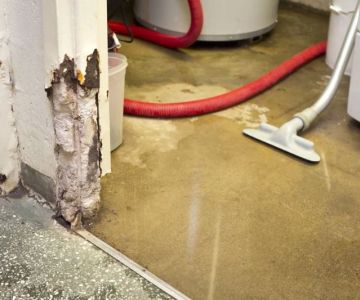
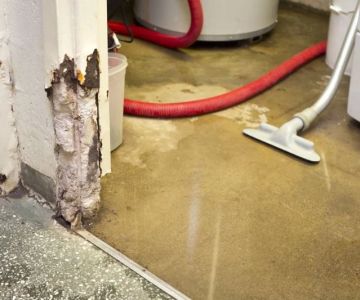
If the water damage is extensive, such as in large areas of your home, it’s best to call a professional. Water damage restoration companies have the tools and expertise to assess the situation, remove damaged insulation, and replace it safely.
5.2 Mold Growth
If you notice significant mold growth on your insulation or in the surrounding areas, it’s time to contact a professional. Mold remediation requires specialized training and equipment to ensure it is removed safely and effectively.
Dealing with water damage in your home’s insulation can be overwhelming, but by taking immediate action, you can minimize damage and restore your home’s comfort and energy efficiency. For more tips and products on water damage prevention and insulation repair, visit Reliable Damage Hub for expert advice and solutions.
 Vision Restoration and Building Company3.0 (37 reviews)
 Dry Guys5.0 (61 reviews)
 Commercial Restoration Company4.0 (39 reviews)
 Flood Pros USA5.0 (34 reviews)
 MVP Environmental4.0 (139 reviews)
 SERVPRO of North Niagara County4.0 (101 reviews)
 Water Damage in Apartments: Unique Challenges and Solutions
 Water Damage Restoration Safety Tips You Should Never Ignore
 Steps for Cleaning and Sanitizing After Water Damage: A Complete Guide
 Water Damage Restoration for Rental Properties: What Tenants Should Know
 How to Restore Water-Damaged Photographs: Step-by-Step Guide
 Water Damage Repair for Insulation in Walls