
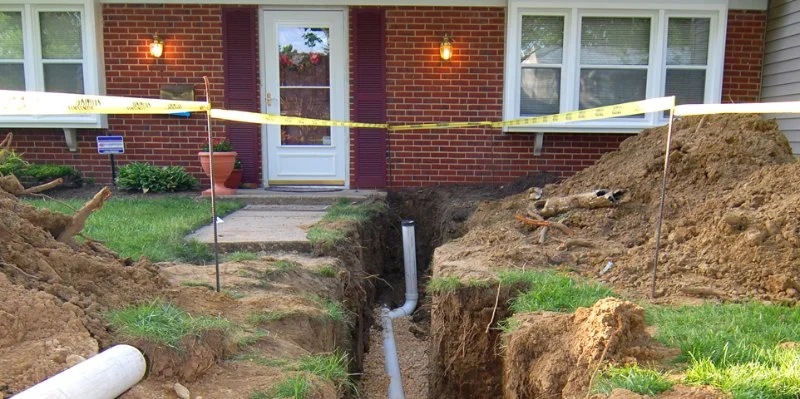
1. Why Water Damage is More Common in the Winter
Water damage in homes is a significant concern during the colder months. As temperatures drop, the risk of water-related issues increases due to freezing pipes, snow accumulation, and other factors related to winter weather. Water damage can occur when ice dams form on roofs, when gutters become clogged, or when pipes burst due to freezing temperatures. While most people focus on heating their homes and insulating against the cold, protecting your home from water damage is equally crucial during winter months.
Without proper preparation, small leaks can quickly turn into large-scale damage, leading to costly repairs. Understanding why water damage is more common in the winter will help you take the right steps to safeguard your home.
SERVPRO of Pompano Beach / servpro of santa maria
Pompano BeachBroward CountyFlorida
2101 NW 33rd St #200a, Pompano Beach, FL 33069, USA
2. Common Sources of Water Damage in Winter
During the winter months, various issues can lead to water damage. Here are some of the most common sources of water damage in the winter:
- Frozen and Burst Pipes: One of the most common causes of winter water damage is frozen pipes. When water in pipes freezes, it expands, causing the pipes to crack or burst. This can lead to water flooding your home, causing damage to walls, floors, and personal belongings.
- Ice Dams: Ice dams form when snow on the roof melts and refreezes at the eaves. As the ice builds up, it can prevent proper drainage, causing water to back up under shingles and leak into the home.
- Clogged Gutters: Gutters filled with leaves, ice, and snow can prevent water from flowing freely. When gutters are clogged, melting snow and ice can overflow, leading to leaks and water damage in the attic or along the exterior walls.
- Condensation and Humidity: Condensation can build up on windows, walls, and pipes during the winter when the indoor air is warm and the outdoor air is cold. Without proper ventilation, this moisture can accumulate and lead to mold or mildew growth.
3. Preventive Measures to Avoid Water Damage in Winter
Taking preventive steps can help protect your home from water damage during the winter months. Here are some key measures to consider:
- Insulate Pipes: Insulating pipes, especially those in unheated areas like basements or attics, can prevent them from freezing. Pipe insulation is an affordable and effective way to protect your plumbing system from winter weather.
- Maintain Gutters: Regularly clean your gutters to ensure that water can flow freely. This is crucial in preventing ice dams and water backup. In areas with heavy snow, you may also consider installing heated gutter cables to prevent ice from accumulating.
- Seal Windows and Doors: Check for drafts around windows and doors and seal any gaps with weatherstripping or caulk. This will not only keep the cold air out but also reduce the risk of condensation building up inside your home.
- Inspect the Roof: Before winter hits, inspect your roof for any damaged shingles or areas where ice may accumulate. A well-maintained roof is crucial for preventing leaks and ensuring that melting snow can drain properly.
- Check Sump Pump: If you have a sump pump in your basement, make sure it is working properly. Cold weather can cause the pump to freeze, leading to water accumulation in your basement during winter storms.
4. Case Study: Water Damage During Winter
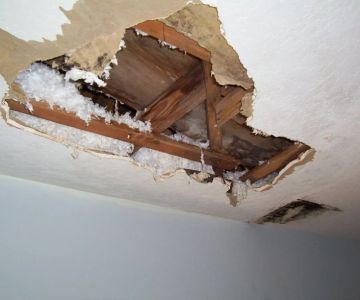
Consider the story of a homeowner in New York who faced significant water damage during a particularly harsh winter. Despite having a well-maintained roof, the homeowner neglected to clean the gutters before the snow season. When a heavy snowstorm hit, the snow melted, but the clogged gutters couldn’t drain the water properly. As a result, water backed up onto the roof and leaked into the attic. This led to significant damage to insulation and the ceiling below.
The damage could have been avoided with simple preparation: cleaning the gutters and ensuring proper drainage would have prevented the water backup. This case serves as a reminder of how even small maintenance tasks can make a huge difference in protecting your home from winter water damage.
Giants / dry kings restoration of san francisco
San FranciscoSan Francisco CountyCalifornia
685 Geary Blvd, San Francisco, CA 94102, USA
5. Why Early Preparation Is Key to Avoiding Winter Water Damage
Winter water damage can be costly and difficult to repair, but with early preparation, you can minimize the risks. Starting preparations before the first frost hits is crucial to ensure that all necessary steps are taken to protect your home. This includes scheduling a roof inspection, insulating pipes, and clearing gutters. By taking a proactive approach, you can save yourself time, money, and headaches during the colder months.
Moreover, early preparation ensures that you have enough time to address any issues that may arise. If you wait until a storm hits, it may be too late to act effectively, leading to more significant damage and expensive repairs.
6. How Reliable Damage Hub Can Help Protect Your Home
If you're looking for products and services that can help prevent water damage during the winter, Reliable Damage Hub is your trusted source. We offer a wide range of solutions for waterproofing, insulation, and maintaining your home’s defenses against winter water damage. From pipe insulation to gutter cleaning tools, we have everything you need to protect your home.
Visit Reliable Damage Hub to find products and expert advice that will help you safeguard your home from the harsh winter elements. Proper preparation is key, and with our resources, you can ensure that your home is ready for whatever the season brings.
 Tidewater Home Improvement LLC4.0 (63 reviews)
 Flood Warriors Water Damage Restoration5.0 (55 reviews)
 SERVPRO of Somerset County & Westmont4.0 (22 reviews)
 Quick Dry Restoration4.0 (7 reviews)
 Brighten Restoration LLC4.0 (25 reviews)
 Philip Edward Contracting5.0 (108 reviews)
 Water Damage Repair for Basement Flooring
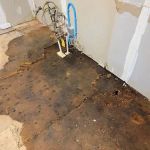 Water Damage Repair for Flooring Transitions: Expert Guide for Homeowners
 How to Restore Water-Damaged Wooden Furniture
 How to Repair Water-Damaged Drywall: Step-by-Step Guide
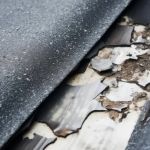 Preventing Water Damage From Leaky Roofs: Tips for Homeowners
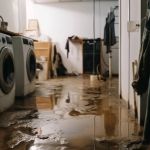 What Are the Signs of Water Damage That Homeowners Often Miss?