
1. What Happens During Water Damage Restoration: A Detailed Overview
- Understanding Water Damage Restoration
- Initial Inspection and Assessment
- Water Removal Process
- Drying and Dehumidification
- Repair and Restoration
- Why Hire Professionals for Water Damage Restoration?
- Explore Services at Reliable Damage Hub
2. Understanding Water Damage Restoration
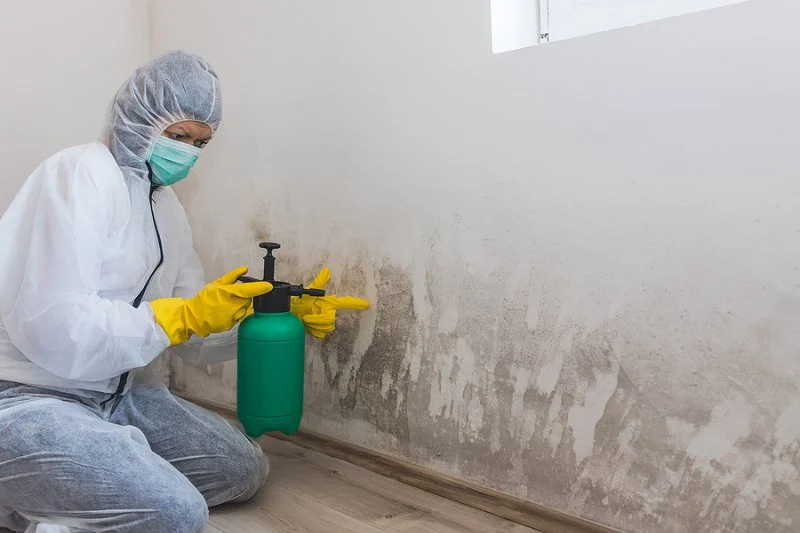
Water damage restoration is the process of returning a property to its pre-damaged state after it has been affected by flooding, leaks, or other water-related disasters. The process involves several steps, each aimed at minimizing further damage and ensuring the property is safe and livable once again.
From the moment water damage occurs, quick and thorough restoration is essential. The damage could be from burst pipes, storms, leaking roofs, or even sewage backups. Regardless of the cause, addressing the water damage promptly can prevent more extensive issues like mold growth, structural damage, and electrical hazards.

Wizard Restorations Inc / puroclean of san fernando
Rancho CucamongaSan Bernardino CountyCalifornia
10245 8th St, Rancho Cucamonga, CA 91730, USA
3. Initial Inspection and Assessment
The first step in water damage restoration is a thorough inspection of the affected area. Restoration professionals will assess the extent of the damage, the type of water involved (clean, gray, or black), and the materials affected. This helps in determining the appropriate steps for cleanup and restoration.
During the inspection, technicians will also check for potential hazards, including electrical risks and areas prone to mold growth. The goal is to create a comprehensive restoration plan based on the severity of the damage and the resources required for recovery.
Drip Restoration / valleywide restoration mesa az
932 S Stapley Dr, Mesa, AZ 85204, USA
4. Water Removal Process
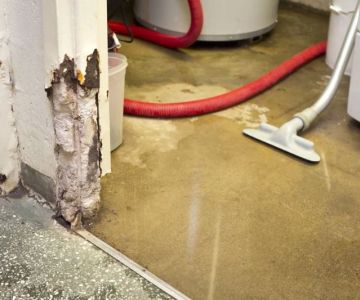
Once the inspection is complete, the next step is removing any standing water. This is a critical phase in the restoration process, as it helps to prevent further damage to the structure and belongings. Water removal is typically done using industrial-grade pumps and vacuums, which are far more effective than household equipment.
The speed at which water is removed can make a significant difference in the overall damage. For instance, if water is left standing for too long, it can seep into walls, flooring, and furniture, causing further issues. Professional restoration services act quickly to prevent long-term complications and minimize the impact on the property.
5. Drying and Dehumidification
Once the water has been removed, the next crucial step is drying and dehumidification. This stage aims to eliminate moisture from the structure and all surfaces, preventing mold growth and additional water-related damage.
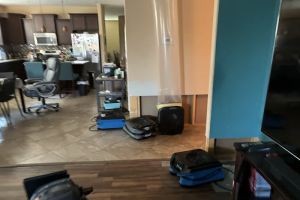
Specialized drying equipment such as air movers, fans, and dehumidifiers is used to dry out the area thoroughly. These tools help circulate air, reducing humidity levels and drying wet materials like carpets, wood floors, and drywall. Restoration professionals will monitor the drying process to ensure it is done effectively and consistently.
6. Repair and Restoration
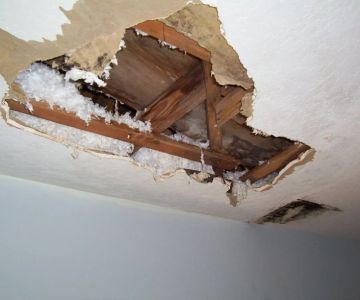
Once the affected areas are dry, the next step involves repairing any damage caused by the water. Depending on the extent of the damage, this might involve replacing drywall, flooring, insulation, and other structural components.
In some cases, water damage may have caused severe structural issues or mold contamination, requiring more extensive restoration work. Professional restoration services will work closely with contractors to ensure any repairs meet safety standards and restore the property to its original condition.
Additionally, the restoration process may involve cleaning and sanitizing affected areas, removing any lingering odors, and ensuring that all surfaces are safe for re-entry.
7. Why Hire Professionals for Water Damage Restoration?
While it may be tempting to handle water damage restoration on your own, hiring professionals is crucial for several reasons:
7.1 Expertise and Experience
Restoration professionals have the experience and training necessary to handle water damage efficiently. They are equipped with the latest tools and technology to ensure that the job is done right and that your property is restored to its pre-damaged state.
7.2 Fast Response Time
Time is of the essence when it comes to water damage. The longer the water sits, the more damage it can cause. Professional restoration companies respond quickly to prevent further damage and restore your property as soon as possible.
7.3 Insurance Handling
Many restoration companies work directly with insurance companies, making the claims process easier for you. They can provide necessary documentation and reports for insurance purposes, helping you get the coverage you're entitled to.
7.4 Prevent Mold Growth
Mold growth is a common problem after water damage. Restoration professionals are skilled at identifying and mitigating mold risks during the drying process, helping to protect your property and health.
8. Explore Services at Reliable Damage Hub
If you're dealing with water damage and need professional restoration services, visit Reliable Damage Hub. We offer expert guidance and connect you with the best restoration professionals in your area. Our services ensure that your property gets the care it needs to recover fully from water damage.
 Gama Services5.0 (13 reviews)
 SERVPRO of North Kenner, Harahan & Lakeview4.0 (56 reviews)
 West Foundation Services5.0 (51 reviews)
 ATI Restoration4.0 (41 reviews)
 SERVPRO of Decatur/Forsyth3.0 (16 reviews)
 Roto-Rooter Plumbing & Water Cleanup4.0 (2705 reviews)
 How to Clean Your Home After Water Damage and Prevent Mold
 Water Damage Repair for Commercial Properties: Key Considerations and Tips
 How to Restore Water-Damaged Flooring After Flooding: A Comprehensive Guide
 Signs You Need Immediate Water Damage Repair
 How to Handle Water Damage From HVAC Systems: Repair and Prevention Guide
 Water Damage Restoration for Schools and Educational Buildings