
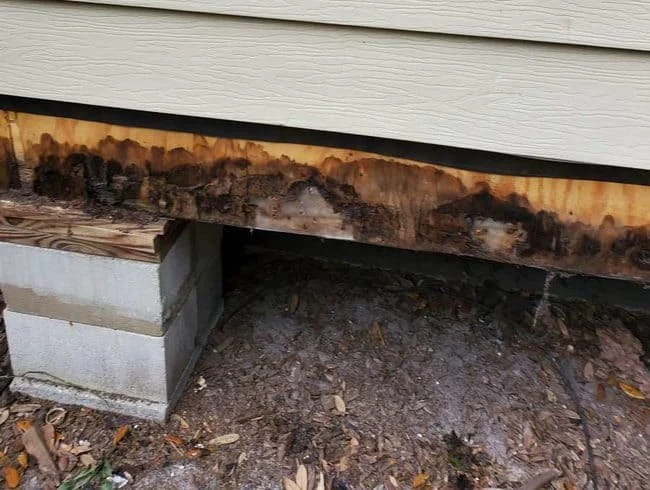
- 1- Identifying Water Damage in Your Mobile Home
- 2- Common Causes of Water Damage in Mobile Homes
- 3- Steps to Repair Water Damage in Your Mobile Home
- 4- Preventing Future Water Damage in Your Mobile Home
- 5- When to Call Professionals for Water Damage
1. Identifying Water Damage in Your Mobile Home
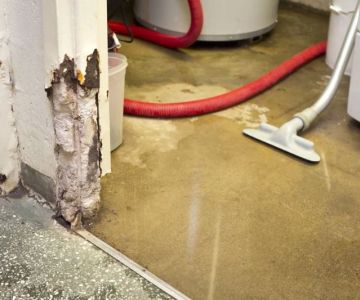
Water damage in a mobile home can be sneaky and hard to spot, especially if it’s hidden behind walls or under floors. Early identification is key to preventing long-term damage. Some common signs of water damage include:
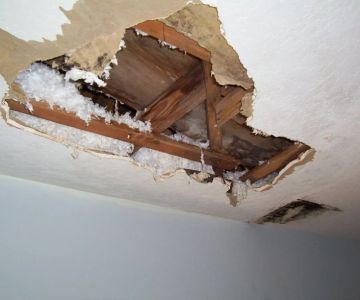
- Discoloration or Stains: Look for yellow or brown water stains on ceilings, walls, or floors. These are often signs that water has been leaking for some time.
- Musty Odors: A musty smell often indicates mold or mildew, which can result from water damage.
- Warping or Bubbling of Walls and Floors: Water damage can cause wood to warp or vinyl flooring to bubble. Check for any irregularities in the flooring or wall surfaces.
- Peeling Paint or Wallpaper: If you notice paint peeling or wallpaper lifting, water might be present behind the surface.
If you notice any of these signs, it’s important to investigate the source of the water and address the issue as soon as possible to avoid further damage.
Giants / dry kings restoration of san francisco
San FranciscoSan Francisco CountyCalifornia
685 Geary Blvd, San Francisco, CA 94102, USA
2. Common Causes of Water Damage in Mobile Homes
Understanding the common causes of water damage can help you prevent it from happening in the future. Some of the most common sources of water damage in mobile homes include:
- Leaking Roofs: A damaged or aging roof can allow rainwater to seep in. Regular roof inspections are crucial to maintaining the integrity of your mobile home.
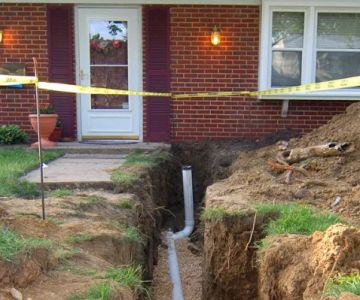
- Pipes and Plumbing Issues: Leaky pipes or faulty plumbing are one of the top causes of water damage in mobile homes. Cracks or loose connections in pipes can result in significant leaks.
- Improper Drainage: If the soil around your mobile home doesn’t drain properly, water can pool around the foundation, causing leaks into the home.
- HVAC Problems: Condensation from air conditioners or heating units can contribute to moisture buildup in walls and ceilings.
By identifying the potential causes, you can take steps to mitigate the risk of water damage from these sources.
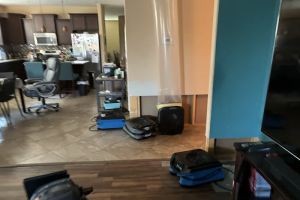
Drip Restoration / valleywide restoration mesa az
932 S Stapley Dr, Mesa, AZ 85204, USA
3. Steps to Repair Water Damage in Your Mobile Home
Once you’ve identified water damage, the next step is to take action and begin repairs. Here’s a step-by-step guide on how to address water damage in your mobile home:
- Step 1: Turn Off the Water Supply: If you suspect the damage is due to plumbing issues, turn off the water supply to prevent further leaks.
- Step 2: Dry the Affected Area: Use fans and dehumidifiers to dry out the wet areas as quickly as possible to prevent mold growth. Ensure all surfaces are dry before proceeding with repairs.
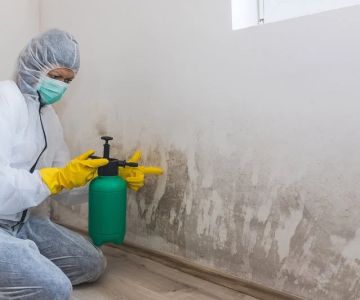
- Step 3: Inspect for Mold: Check for mold or mildew. If mold is found, it should be removed immediately using appropriate cleaning solutions or by calling in a professional mold remediation service.
- Step 4: Repair Damaged Walls or Floors: Depending on the extent of the damage, you may need to replace drywall, flooring, or insulation. If the damage is extensive, it may require professional help to properly fix these areas.
- Step 5: Fix the Source of the Leak: Whether it’s a leaky roof, plumbing issue, or poor drainage, ensure the root cause of the water damage is fixed to prevent future leaks.
By following these steps, you can address water damage quickly and effectively, minimizing further harm to your mobile home.
4. Preventing Future Water Damage in Your Mobile Home
Preventing water damage in the future is crucial to maintaining your mobile home’s structure and safety. Here are some preventive measures you can take:
- Regular Roof Inspections: Check your roof for leaks, cracks, or missing shingles at least twice a year. Ensure that gutters are clear and free of debris to promote proper drainage.
- Maintain Your Plumbing: Inspect your plumbing regularly for leaks, rust, or corrosion. Replace any worn-out pipes or connectors to avoid water damage.
- Improve Drainage Around Your Mobile Home: Ensure the ground around your home slopes away from the foundation to direct water away from your home. This can prevent water from pooling around your mobile home’s base.
- Install a Vapor Barrier: Installing a vapor barrier under your mobile home can help prevent moisture from seeping into the floors and walls.
By being proactive and maintaining regular inspections, you can avoid many common causes of water damage in your mobile home.
5. When to Call Professionals for Water Damage
While minor water damage can often be repaired by homeowners, some situations require professional assistance. Here are some cases when you should call a professional:
- Extensive Mold Growth: If mold is widespread or in hard-to-reach areas, it’s best to call a mold remediation specialist to handle the cleanup.
- Structural Damage: If the water damage has affected the structure of your mobile home, such as weakening the walls, ceiling, or foundation, a professional contractor is needed for repairs.
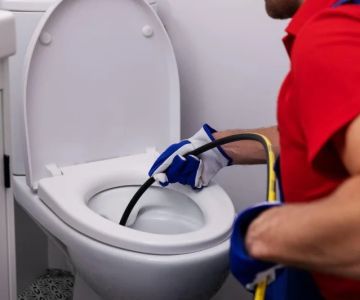
- Complex Plumbing Issues: If you’re dealing with severe plumbing leaks or have difficulty locating the source, it’s best to call a plumber to avoid further water damage.
For all your water damage repair needs, you can rely on the expert services available through Reliable Damage Hub for top-notch products and professional help.
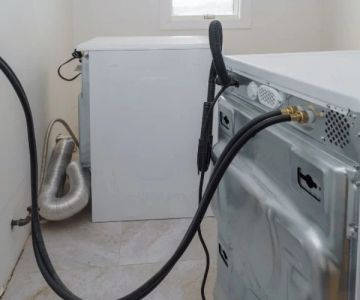
 Excel Water Damage Restoration Anaheim0.0 (0 reviews)
 Berliner Water Damage5.0 (3 reviews)
 J & D Waterproofing & Home Improvements3.0 (113 reviews)
 GRC Contractors LLC4.0 (51 reviews)
 Monroe Mold Removal Team5.0 (3 reviews)
 RNR Construct Co Inc.5.0 (5 reviews)
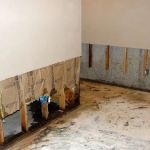 How to Repair Water-Damaged Wall Panels
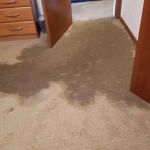 Water Damage Repair for Soggy Carpets: Tips and Tricks
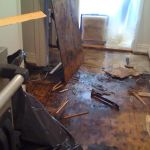 How to Properly Dispose of Water Damaged Materials
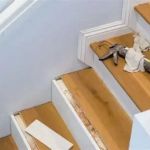 Water Damage Repair for Hardwood Stairs Made Simple
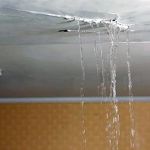 What to Do if Your Roof Is Leaking and Causing Water Damage Inside
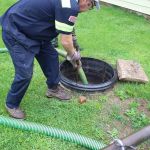 How to Handle Water Damage From Sewer Backups – Steps for Cleanup & Prevention