
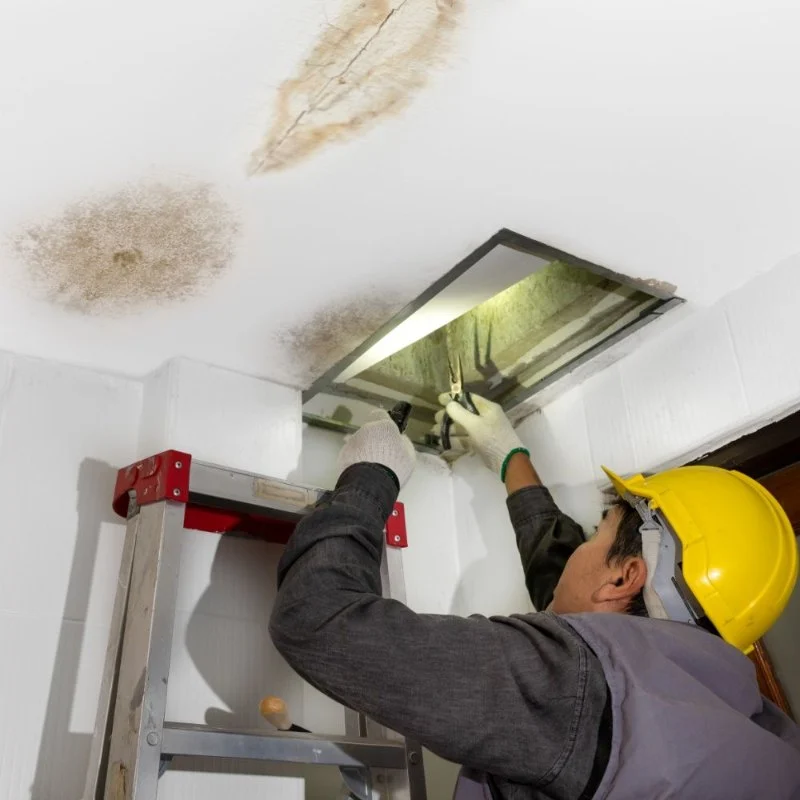
1. Identifying Water Damage from a Leaky Roof
Water damage caused by a leaky roof can be one of the most damaging and costly issues in a home. Identifying the signs of water damage early on is essential for minimizing long-term damage and costly repairs. In this article, we will explore how to spot water damage caused by a leaky roof, the common signs to watch for, and how you can fix the problem yourself or with professional help.

Wizard Restorations Inc / puroclean of san fernando
Rancho CucamongaSan Bernardino CountyCalifornia
10245 8th St, Rancho Cucamonga, CA 91730, USA
2. Common Signs of Water Damage in Your Home
Water damage from a leaky roof can show up in various ways throughout your home. Knowing what to look for can help you catch the problem early before it worsens. Here are some common signs of water damage:

Kustom US Restoration / kustom restoration
1215 W Houston Ave Suite A, Gilbert, AZ 85233, USA
1. Stains on the Ceiling and Walls
One of the most noticeable signs of water damage is stains or discoloration on the ceiling and walls. These stains often start as small patches but can spread over time. If you notice brown, yellow, or dark patches on your ceiling or walls, it’s a clear indication that water has been leaking through the roof.
2. Peeling or Bubbling Paint
If the paint on your walls or ceiling starts to peel or bubble, it could be a sign of water damage. Water seeping into the walls can cause the paint to lose its adhesion, resulting in peeling or blistering.
3. Mold or Mildew Growth
Persistent moisture from a leaky roof can create the perfect environment for mold and mildew to grow. If you notice a musty smell or visible mold spots in your attic or on walls near the roof, it’s time to inspect your roof for leaks.
4. Sagging Ceilings
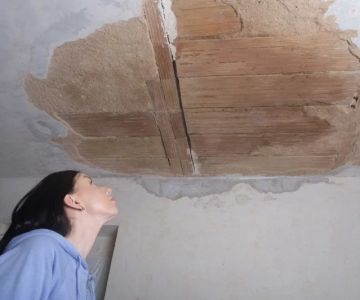
Excessive water damage can cause the ceiling to sag or even collapse. This happens when water collects in the insulation or drywall, weighing it down. If you notice any sagging, you should address the problem immediately to prevent further damage and potential safety hazards.
3. Steps to Fix Water Damage from a Leaky Roof
Once you’ve identified water damage caused by a leaky roof, it’s crucial to take action as soon as possible to prevent further deterioration. Here are the steps you can follow to fix water damage:
1. Identify and Fix the Leak
The first step in addressing water damage is to find and fix the leak. Inspect your roof for any visible signs of damage, such as missing shingles, cracked flashing, or holes. If you're unsure of the source of the leak, it might be best to consult a professional roofer to locate and repair the leak.
2. Remove Damaged Materials
Once the leak is fixed, the next step is to remove any damaged materials, such as wet insulation, drywall, or ceiling tiles. These materials can harbor mold and mildew, so it’s important to dispose of them properly.
3. Dry the Area Thoroughly
Use fans, dehumidifiers, or a blow dryer to dry out the affected area. This step is essential to prevent mold and mildew from forming. Make sure the area is completely dry before moving on to repairs.
4. Repair and Restore
Once the area is dry, you can start repairing the water-damaged parts. For ceiling and wall repairs, you may need to replace damaged drywall, reapply fresh paint, or install new ceiling tiles. If you’re unsure about how to restore the damage properly, consider hiring a professional for assistance.
4. Preventing Future Water Damage
After fixing the current damage, it’s important to take steps to prevent future leaks and water damage. Here are a few preventative measures you can take:
1. Regular Roof Inspections
One of the best ways to prevent water damage from a leaky roof is to conduct regular roof inspections. Check for missing shingles, cracked flashing, or other signs of wear and tear that could lead to leaks. Early detection is key to preventing larger problems down the line.
2. Clean Gutters and Downspouts
Clogged gutters and downspouts can cause water to back up and seep into your roof. Clean them regularly to ensure proper water drainage and prevent potential leaks.
3. Install Roof Underlayment
Consider installing a high-quality underlayment beneath your roofing material. This added layer can help prevent water from seeping through any small cracks or gaps in the roof’s surface.
5. Real-Life Case Study: Fixing Water Damage
Take the case of Jake, a homeowner who discovered a significant water stain on his ceiling after a heavy rainstorm. Jake followed the steps mentioned above, starting by locating the roof leak and patching it up with the help of a professional roofer. He then removed the water-damaged drywall and insulation and allowed the area to dry completely. After restoring the ceiling and repainting, Jake was able to prevent further water damage. By staying on top of regular roof inspections, he avoided any future leaks and maintained the integrity of his home.
6. Get Help from Reliable Damage Hub
If you're dealing with water damage from a leaky roof, be sure to check out Reliable Damage Hub for expert advice, products, and services to help you restore and protect your home. From roofing materials to water damage restoration tools, we offer everything you need to get your home back to normal.
 Bio-One South OC4.0 (19 reviews)
 Full Service Restoration5.0 (1 reviews)
 ABS Restoration Services4.0 (29 reviews)
 Carpet Cleaning Premier Chem-Dry of NW Florida4.0 (81 reviews)
 ServiceMaster Building Maintenance San Carlos4.0 (3 reviews)
 SERVPRO of Natick, Milford5.0 (62 reviews)
 Top 5 Water Damage Restoration Myths Debunked: What You Need to Know
 How Water Damage Affects Your Home's Air Quality and How to Improve It
 How to Identify and Fix Water Damage from Leaky Roofs
 How to Handle Water Damage From Burst Water Heaters: Tips and Solutions
 Water Damage Restoration After Sewer Flooding: What You Need to Know
 The Dangers of Ignoring Water Damage in Your Crawl Space