
- 1. Understanding Water Damage to Carpets
- 2. Steps to Dry a Wet Carpet Fast
- 3. Essential Tools for Drying Your Carpet
- 4. Preventing Mold After Water Damage
- 5. When to Call Professionals for Carpet Drying
1. Understanding Water Damage to Carpets
Water damage to carpets is a serious issue that can lead to mold growth, odors, and potential health risks if not addressed quickly. Whether the damage is caused by flooding, leaks, or spills, it's crucial to act fast to prevent further issues. Wet carpets can absorb water quickly, and the longer they stay damp, the higher the risk of permanent damage. Understanding how water affects carpets and the underlying padding is key to choosing the right drying methods and ensuring a thorough restoration process.
Giants / dry kings restoration of san francisco
San FranciscoSan Francisco CountyCalifornia
685 Geary Blvd, San Francisco, CA 94102, USA
2. Steps to Dry a Wet Carpet Fast
If you’re dealing with wet carpets after water damage, it’s important to take the following steps as soon as possible:
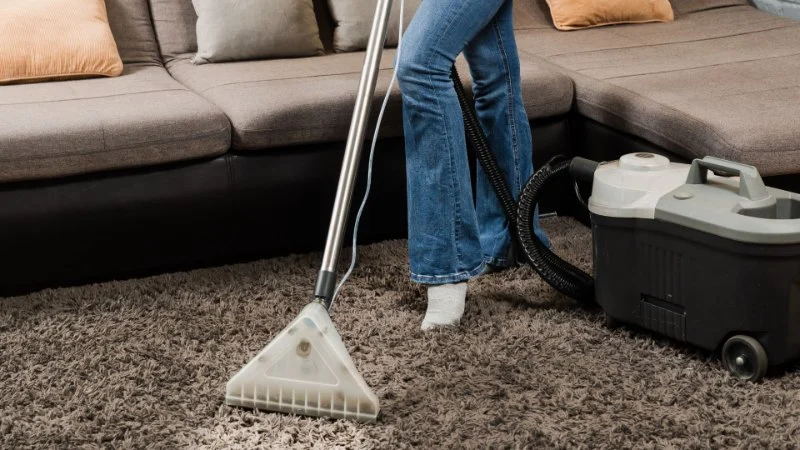
- Remove Excess Water: Start by using a wet vacuum or a carpet extractor to remove as much water as possible. If you don't have a wet vacuum, you can rent one or use towels to blot the water, but this will be much less effective.
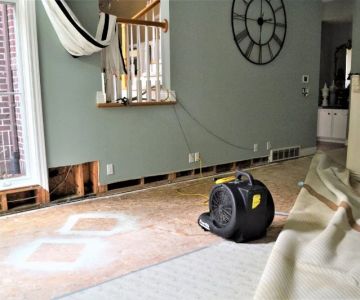
- Increase Air Circulation: Open windows and doors to allow for proper ventilation. If possible, use fans to circulate the air, especially in the affected room. A dehumidifier is also highly recommended to remove moisture from the air and speed up the drying process.
- Lifting the Carpet: If the carpet is still saturated, try lifting it to expose the padding and floor beneath. This will allow air to flow under the carpet, helping the drying process. Be careful not to stretch or damage the carpet while lifting it.
- Dry the Carpet Backing: After removing excess water, focus on drying the carpet backing. This is where moisture can hide and lead to mold growth. You can use fans and a dehumidifier for the best results.
- Check for Dryness: Even after drying, check the carpet and padding for any remaining dampness. Depending on how wet the carpet is, it might take several hours to a few days to fully dry.
3. Essential Tools for Drying Your Carpet
To speed up the drying process and prevent further damage to your carpet, you'll need the right tools. Here are some of the most effective tools for drying a wet carpet:
- Wet/Dry Vacuum: A wet/dry vacuum is the most effective tool for extracting water from a carpet. These vacuums can remove large amounts of water quickly and efficiently, helping to reduce drying time.
- Fans: High-powered fans are essential for increasing air circulation in the room. Set them up to blow air over the carpet and across the floor to help speed up the evaporation process.
- Dehumidifiers: A dehumidifier will draw moisture from the air, which helps to dry the carpet faster and prevent mold growth. These are particularly useful in areas with high humidity.
- Absorbent Towels: For smaller spills or leaks, using absorbent towels to blot the carpet can help remove some of the moisture. This can be a useful first step before bringing in more powerful tools.
4. Preventing Mold After Water Damage
One of the biggest concerns when drying a wet carpet is the potential for mold growth. Mold can start to grow within 24-48 hours in a damp environment, and it can be harmful to both your health and the structure of your home. To prevent mold:
- Act Quickly: The sooner you begin drying your carpet, the less likely it is that mold will form. Aim to start the drying process within a few hours of the water damage occurring.
- Ensure Proper Ventilation: Mold thrives in a stagnant, moist environment. Keep windows open and use fans to increase airflow throughout the affected area.
- Use a Dehumidifier: A dehumidifier will help reduce moisture levels in the air, making it more difficult for mold to thrive.
- Check for Hidden Moisture: Make sure to inspect all areas of the room for hidden water, such as under baseboards or in the carpet padding. Even hidden moisture can encourage mold growth.
5. When to Call Professionals for Carpet Drying
While you can often handle small amounts of water damage on your own, it’s important to know when to call in professionals. If the water damage is extensive or the carpet has been wet for more than 48 hours, professional restoration services may be needed. Professional cleaners and restoration experts have access to industrial-grade equipment, such as large drying machines and moisture sensors, which can thoroughly dry your carpet and prevent mold growth.
If you're unsure about how to proceed or want to ensure the best possible results, consider reaching out to professionals for advice. For more tips and product recommendations, visit Reliable Damage Hub.
 Good Roads Water Damage Experts5.0 (1 reviews)
 R&R Foundation Specialist4.0 (305 reviews)
 MJ White4.0 (102 reviews)
 ATI Restoration3.0 (25 reviews)
 Modernistic4.0 (251 reviews)
 ServiceMaster Cleaning Services4.0 (27 reviews)
 Water Damage Restoration for Retail Spaces – Expert Tips and Real Cases
 How to Prevent and Repair Water Damage in Commercial Properties
 How to Protect Your Home’s Electrical System from Water Damage: Essential Tips
 Flooded Basement? Here’s How to Restore It Safely
 How to Handle Water Damage After a Storm: A Step-by-Step Guide
 How to Handle Water Damage from Burst Pipes: A Step-by-Step Guide