
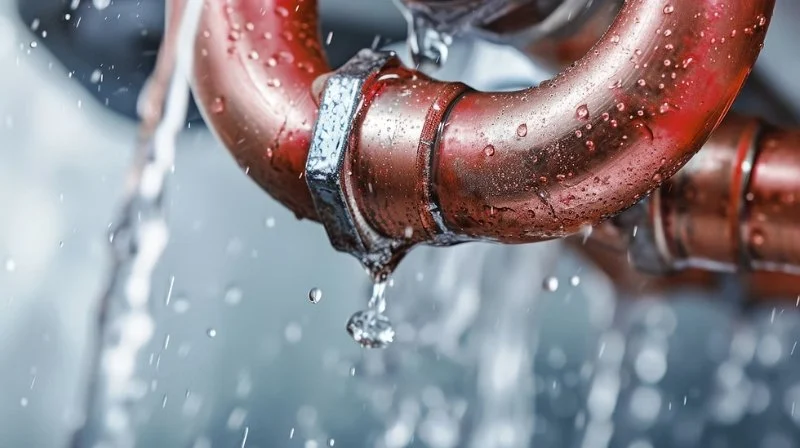
How to Handle Water Damage from Burst Pipes: A Step-by-Step Guide
- 1. Understanding the Causes of Burst Pipes
- 2. Immediate Steps to Take After a Burst Pipe
- 3. How to Assess and Mitigate Water Damage
- 4. Repairing Water Damage and Restoring Your Home
- 5. Tips for Preventing Future Burst Pipes
1. Understanding the Causes of Burst Pipes
Burst pipes are a common and costly issue in homes, especially during the colder months when temperatures drop. The primary cause of a burst pipe is frozen water inside the pipes, which expands and causes the pipe to rupture. Other causes include aging pipes, high water pressure, or physical damage to the pipes. It’s essential to understand why pipes burst in order to address the issue and prevent future occurrences. In areas prone to freezing temperatures, burst pipes are more likely to occur in unheated spaces like basements, attics, or crawl spaces.
Drip Restoration / valleywide restoration mesa az
932 S Stapley Dr, Mesa, AZ 85204, USA
2. Immediate Steps to Take After a Burst Pipe
If you experience a burst pipe, taking immediate action is critical to minimize water damage. Follow these steps to address the situation quickly:
- Shut off the water supply: Find your home's main water valve and turn it off to stop the flow of water.
- Turn off electricity: If water has spread to electrical outlets or appliances, switch off the electricity to prevent electrical hazards.
- Remove valuables: Move furniture, electronics, and valuables away from the water to avoid further damage.
- Call a professional: Reach out to a plumber to fix the burst pipe and start water damage restoration.
Taking quick action can significantly reduce the amount of water damage to your home and belongings.
Giants / dry kings restoration of san francisco
San FranciscoSan Francisco CountyCalifornia
685 Geary Blvd, San Francisco, CA 94102, USA
3. How to Assess and Mitigate Water Damage
Once the water supply is turned off and the immediate dangers have been addressed, it’s time to assess the damage. Start by identifying how far the water has spread and how deep the water has penetrated into the structure of your home. Pay attention to areas like walls, floors, ceilings, and furniture that may have been exposed to water.
To mitigate water damage, follow these steps:
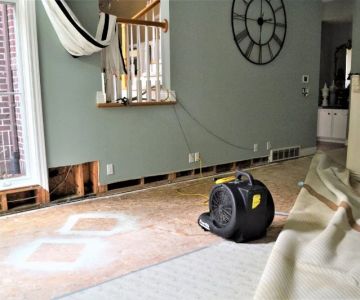
- Dry out the area: Use fans, dehumidifiers, and open windows to help dry out the space. The faster you dry the area, the less damage you'll experience.
- Remove wet materials: Take out carpets, rugs, and soaked furniture to prevent mold growth and further water absorption.
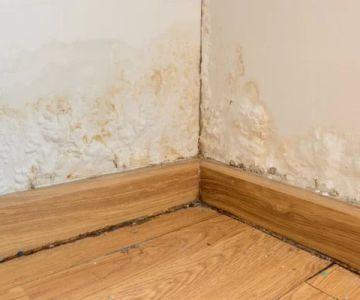
- Inspect for mold: Mold can start growing within 24-48 hours of water exposure. If you notice mold, contact a mold remediation professional immediately.
4. Repairing Water Damage and Restoring Your Home
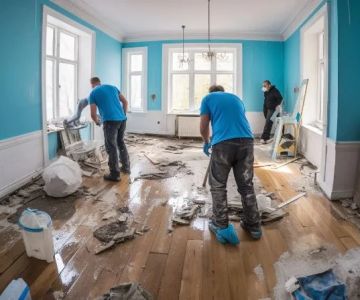
After you have mitigated the damage, it’s time to repair and restore the affected areas. Begin with structural repairs such as replacing damaged drywall, insulation, or flooring. If the water damage is extensive, it may require the help of professional contractors who specialize in water damage restoration. They will use specialized equipment to assess the full extent of the damage and ensure your home is thoroughly dried out before repairing any structural elements.
Additionally, consider hiring a water damage restoration service to help with cleaning and disinfecting the affected areas. Professional restorers will ensure that your home is safe and free of contaminants like bacteria or mold.
5. Tips for Preventing Future Burst Pipes
Preventing burst pipes is crucial to avoiding the headaches and expenses associated with water damage. Here are a few tips to protect your home:
- Insulate exposed pipes: Install pipe insulation, especially in unheated areas like basements or attics, to protect them from freezing temperatures.
- Keep a consistent temperature: During cold weather, ensure that your home remains at a consistent temperature, even when you’re not home.
- Maintain your plumbing: Regularly inspect your plumbing system for signs of wear and tear. Replacing old or corroded pipes can help prevent unexpected issues.
- Install a pipe heater: In especially cold areas, you may want to consider installing heating cables along exposed pipes to keep them warm.
By following these preventative steps, you can significantly reduce the risk of a burst pipe and the costly damage it can cause.
If you’ve experienced water damage from a burst pipe and need professional help, contact Reliable Damage Hub to find the best restoration services near you.
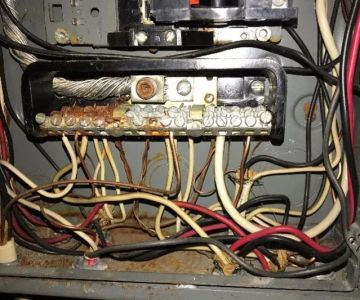
 Good Roads Water Damage Experts5.0 (1 reviews)
 R&R Foundation Specialist4.0 (305 reviews)
 MJ White4.0 (102 reviews)
 ATI Restoration3.0 (25 reviews)
 Modernistic4.0 (251 reviews)
 ServiceMaster Cleaning Services4.0 (27 reviews)
 Water Damage Restoration for Retail Spaces – Expert Tips and Real Cases
 How to Prevent and Repair Water Damage in Commercial Properties
 How to Protect Your Home’s Electrical System from Water Damage: Essential Tips
 Flooded Basement? Here’s How to Restore It Safely
 How to Handle Water Damage After a Storm: A Step-by-Step Guide
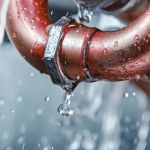 How to Handle Water Damage from Burst Pipes: A Step-by-Step Guide