
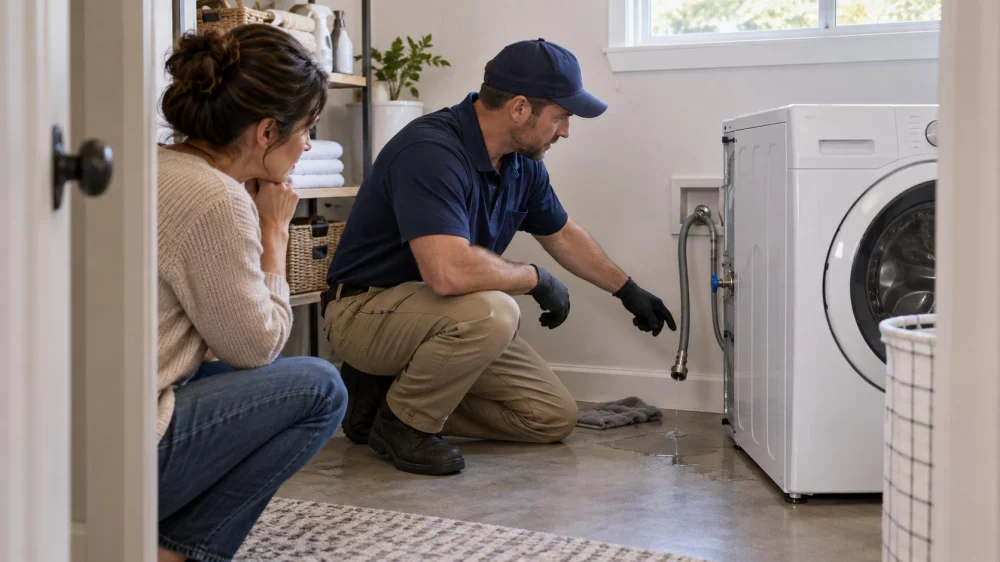
Appliance Supply Hose Leak: Stop Water and Document Damage
On this page
Quick answer
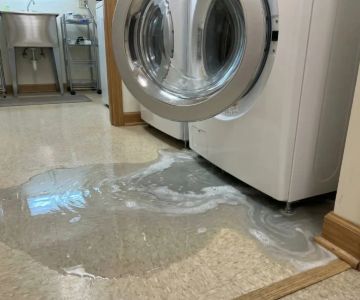
For a washing machine, dishwasher, refrigerator, or other supply-hose leak, stop using the appliance and close its accessible water valve only if the path is dry and safe. Keep away from wet plugs, outlets, and panels. Photograph the hose, connection, water path, flooring, walls, and contents, then call the appropriate plumber, appliance technician, insurer, or restoration professional.

Kustom US Restoration / kustom restoration
1215 W Houston Ave Suite A, Gilbert, AZ 85233, USA
First actions
- Keep children and pets away from the wet area.
- Use the normal appliance control to stop operation if it is safe to reach.
- Close the labelled fixture valve without forcing it; use the main shutoff only if you know how.
- Move dry, lightweight contents away without crossing water near electricity.
- Notify a landlord, property manager, or neighbour below when applicable.
Know the hazard limits
Do not unplug an appliance while standing on a wet floor, reach behind a connected machine, or reset a tripped breaker. A qualified electrician or emergency responder should address wet electrical equipment, sparking, smoke, or burning odour. Sewage, chemical contamination, structural damage, and extensive water require professional controls and protective equipment.

Wizard Restorations Inc / puroclean of san fernando
Rancho CucamongaSan Bernardino CountyCalifornia
10245 8th St, Rancho Cucamonga, CA 91730, USA
Build a useful damage record
Capture wide and close photographs before moving items when safe. Note discovery time, estimated duration, appliance cycle, valve position, hose material and apparent failure point, rooms affected, and people notified. Keep the failed part after the professional removes it if the insurer or manufacturer requests preservation. Save receipts and written instructions.
Dry more than the visible floor
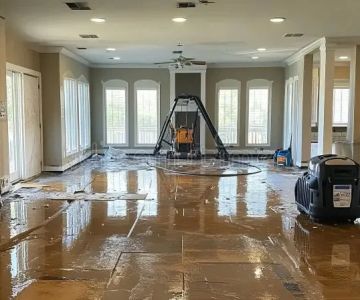
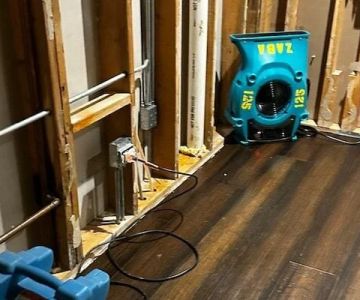
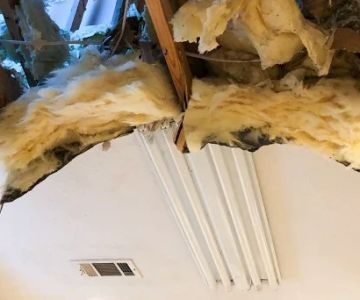
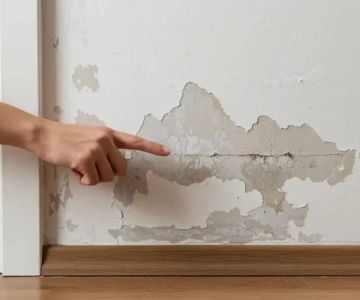
Water may move under cabinets, flooring, baseboards, wallboard, and insulation. CDC advises cleaning and drying or removing wet items within 24–48 hours when possible to reduce mold growth. Ask how the team will inspect hidden layers, measure moisture, protect unaffected areas, and verify completion rather than relying on appearance alone.
Do not aim fans into contaminated water or visible mold. Do not lift flooring, cut walls, or move a heavy appliance without assessing electrical, plumbing, ergonomic, and material hazards.
Repair and future prevention
Have the failed hose, valve, connection, and appliance checked before reuse. Ask for the correct replacement specification, installation method, leak test, and written result. Keep valves accessible, follow the appliance maker's inspection schedule, and consider appropriate leak detection or automatic shutoff options with a qualified professional.
Frequently asked questions
Can I reuse the appliance after the floor dries?
Not until the cause, electrical exposure, connection, and appliance condition are checked and the system passes an appropriate leak test.
Should I throw away the hose?
Preserve it until the insurer, manufacturer, or contractor confirms it is no longer needed as evidence.
Is surface mopping enough?
Not when water may have entered porous or concealed layers. Moisture assessment should match the water path.
When should I call insurance?
Review your policy and report promptly when damage may be covered; document the time, claim number, and instructions.
Sources
The CDC drying guidance emphasizes the 24–48 hour window, while Ready.gov recommends prompt claims, photographs, video, and saved receipts.
Next steps
Stop water only from a safe position, avoid electricity, document the path, notify the responsible parties, and request written repair and drying verification before the appliance returns to service.
 Reliable Basement Finishing5.0 (60 reviews)
 PuroClean of Placentia0.0 (0 reviews)
 Coast Abatement Services4.0 (60 reviews)
 The Renovators4.0 (40 reviews)
 Orange Restoration Labs4.0 (46 reviews)
 CRACK-X of Merrimack Valley4.0 (49 reviews)
 Appliance Supply Hose Leak: Stop Water and Document Damage
 Ceiling Water Stain: Map, Photograph, and Trace Safely
 Water Damage Contractor Credentials: Insurance and Scope
 Restoration Daily Drying Log: Readings, Equipment, and Changes
 Restoration Equipment Power: Plan Safe Connections
 Restoration Crew Access: Protect Keys and Privacy