

Restoration Crew Access: Protect Keys and Privacy
On this page
Quick answer
Before a restoration crew enters, name one authorized contact, document the property's current condition, define which rooms and systems are in scope, secure valuables and sensitive records, and issue only the access method needed. Record every key, code, and person, set arrival and lock-up rules, and change temporary credentials when the work or each worker's access ends.
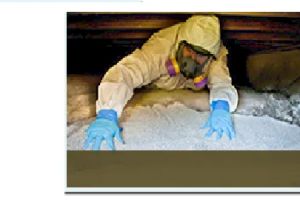
Giants / dry kings restoration of san francisco
San FranciscoSan Francisco CountyCalifornia
685 Geary Blvd, San Francisco, CA 94102, USA
Treat access as part of the restoration scope
Water damage work may require repeated entry for extraction, drying checks, demolition, cleaning, repairs, or equipment pickup. Access control is the documented process for deciding who may enter, where they may go, what they may move, and how the property is secured after every visit.
This guide is for US homeowners, tenants, landlords, and property managers coordinating restoration. Lease terms, insurance duties, emergency entry rules, privacy obligations, and local law vary, so use the applicable contract and qualified advice for disputed access.
SERVPRO of Pompano Beach / servpro fort lauderdale south
Pompano BeachBroward CountyFlorida
2101 NW 33rd St #200a, Pompano Beach, FL 33069, USA
Practical checklist
- Verified company name, supervisor, crew roster, vehicles, and after-hours number.
- Written rooms, tasks, equipment zones, exclusions, and approved work hours.
- Dated photographs of doors, floors, contents, meters, controls, and existing damage.
- Numbered physical key, temporary code, lockbox, or escorted-entry method.
- Private files, medicines, weapons, valuables, pets, alarms, cameras, and occupied rooms.
- Daily arrival, departure, lock-up, equipment, incident, and visitor log.
- Key return, code cancellation, final inspection, and responsibility for remaining equipment.
Step-by-step plan
- Verify the contractor through the insurer or independently confirmed business contact, then identify the onsite supervisor.
- Walk the property when safe and mark authorized routes, contaminated or unstable areas, utilities, bathrooms, storage, and no-entry spaces.
- Remove or securely store valuables and sensitive material without disturbing wet items needed for documentation.
- Issue the least access needed and record the key number, code recipient, date, purpose, and expiration.
- Require the daily contact to report changes, opened areas, moved contents, incidents, equipment status, and lock-up.
- At completion, recover keys, disable codes, inspect doors and windows, and save the signed access log with the project file.
Do not hide pre-existing damage or erase security footage relevant to a loss. Keep before-and-after photographs, access authorizations, crew lists, messages, incident notes, and a contents-movement log. Use secure sharing for personal or insurance records.
Limits and important notes
Never enter standing water, a structurally questionable area, or a space with electrical, sewage, chemical, fire, or mold hazards merely to hand over a key. Let qualified personnel establish safe access and required protective measures.
Call emergency services for immediate fire, electrical, structural, gas, or personal danger. Report missing keys, unauthorized entry, theft, threats, damaged locks, privacy exposure, or unexplained scope changes promptly through the contractor, property, insurer, and law-enforcement routes appropriate to the event.
Frequently asked questions
Should every worker get a permanent code?
No. Prefer individual, temporary, auditable access where the property system supports it, and cancel it when no longer needed.
Can cameras remain on during work?
Discuss notice, privacy, audio-recording law, worker safety, and areas where recording is inappropriate before relying on cameras.
What if the crew must move belongings?
Define authorization and require a labeled contents log with origin, condition, destination, and custody.
May a tenant give access without the landlord?
Lease, emergency, insurer, and local rules differ. Notify the responsible parties and document the authority relied upon.
Who checks the property at night?
Assign lock-up, alarm, temperature, equipment, and emergency-contact responsibilities in writing for every unoccupied period.
Sources and evidence
Evidence note: this checklist applies common contractor-management, key-control, privacy, contents-custody, and water-loss documentation practices. The restoration contract, lease, insurance policy, safety assessment, and local law govern the actual access plan.
Conclusion and next steps
Verify the crew, define the route and scope, preserve condition evidence, and issue controlled access. Review the log daily, respond to exceptions immediately, and close the access loop by collecting keys, canceling codes, checking security, and filing the final record.




 Brian E. Moore enterprises.5.0 (5 reviews)
 Riker Home Services4.0 (186 reviews)
 1-800 Water Damage of NE Dallas and SE Collin4.0 (28 reviews)
 Mr. Restoration5.0 (15 reviews)
 A1 Hydro Hustle5.0 (3 reviews)
 The Grout Experts4.0 (58 reviews)
 What to Expect When You Hire a Water Damage Restoration Company
 The Best Materials for Water Damage Prevention in Your Home
 How to Repair Water Damage Around Windows and Doors
 How to Repair Water Damage Around Complete Indoor Interiors: Step-by-Step Restoration Guide
 Dishwasher Leak: Shut It Down and Limit Water Damage
 How to Manage Water Damage from Mold Growth After Water Leaks