
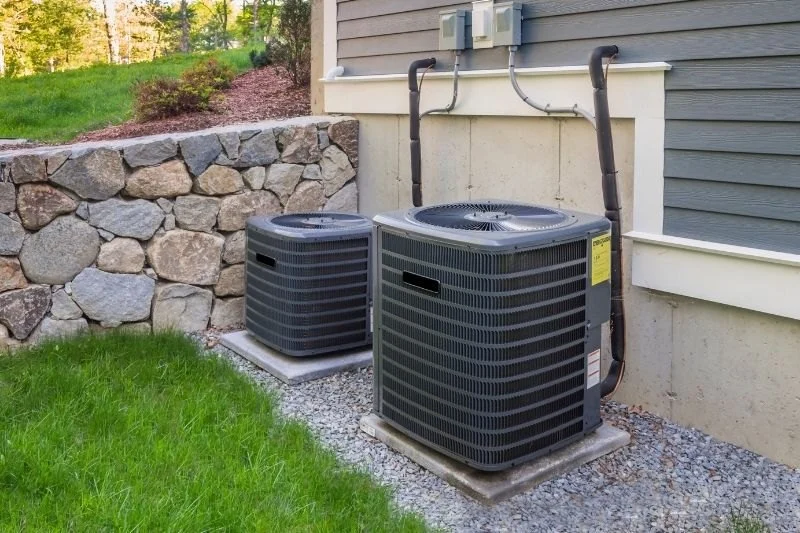
- Common Causes of Water Damage in HVAC Systems
- How Water Damage Affects HVAC System Performance
- Signs Your HVAC System Is at Risk of Water Damage
- Steps to Prevent Water Damage in Your HVAC System
- Real-Life Examples of HVAC Water Damage
- How to Handle Water Damage in Your HVAC System
Common Causes of Water Damage in HVAC Systems
HVAC systems are essential for regulating indoor temperatures, but they can also be vulnerable to water damage. Understanding the common causes of water damage can help homeowners protect their systems. Here are the main culprits:
- Clogged Condensate Drain: The condensate drain removes moisture collected by the air conditioning unit. If it becomes clogged, water can back up and damage the system or surrounding areas.
- Leaking Ductwork: Leaky ducts allow water to accumulate in the system, leading to potential damage. This often happens when ducts are poorly sealed or corroded.
- Improper Installation: If the HVAC system is not installed correctly, it can lead to issues like poor drainage, causing water damage over time.
- High Humidity: In areas with high humidity, the HVAC system works harder to remove moisture from the air. This can cause condensation buildup, which may lead to water damage if not properly managed.
How Water Damage Affects HVAC System Performance
Water damage can have a significant impact on the performance of your HVAC system. Here's how:
- Reduced Efficiency: Water buildup can obstruct airflow, causing the system to work harder to regulate the temperature. This leads to higher energy bills and more wear and tear on the components.
- System Breakdown: Persistent water damage can lead to component failure, including the compressor, condenser, or evaporator coils, which can result in costly repairs or system replacement.
- Indoor Air Quality Issues: If moisture is trapped in the HVAC system, it can lead to mold and mildew growth, which may affect indoor air quality and cause health issues.
Signs Your HVAC System Is at Risk of Water Damage
Being able to identify the early signs of water damage in your HVAC system is crucial. Look out for the following warning signs:
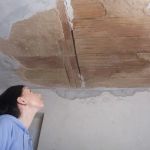
- Water Stains: Noticeable water stains around the HVAC unit or on ceilings and walls indicate potential leaks and water buildup.
- Musty Odors: A musty smell often means mold or mildew is growing in your system due to excess moisture.
- Low Airflow: If the airflow from your HVAC system feels weak, water buildup may be obstructing the ducts or coils.
- Unusual Sounds: Water flowing or dripping sounds coming from the HVAC unit may indicate a clogged condensate drain or another water-related issue.
Steps to Prevent Water Damage in Your HVAC System
Preventing water damage in your HVAC system requires regular maintenance and some simple steps:
- Clear the Condensate Drain: Regularly check and clear the condensate drain to ensure proper water flow. This prevents water from backing up into the system.
- Maintain Proper Drainage: Ensure that all drainage pipes are free of debris and that water is draining away from the HVAC system and foundation.
- Seal Ductwork: Inspect the ductwork for leaks and seal any gaps or cracks to prevent water from accumulating inside the ducts.
- Check for Humidity Issues: Use a dehumidifier if necessary to reduce indoor humidity, especially in areas prone to excessive moisture.
- Schedule Regular HVAC Maintenance: Hire a professional HVAC technician to inspect and maintain your system annually. They can spot potential issues before they become serious problems.
Real-Life Examples of HVAC Water Damage
Water damage in HVAC systems is not just a theoretical problem—it’s something that many homeowners have experienced. Here are a few real-life examples:
- Example 1: A homeowner in Florida noticed water stains on their ceiling and weak airflow from the air conditioner. After a professional inspection, they discovered a clogged condensate drain and mold growth in the ducts. The issue was resolved with cleaning and repair, saving the homeowner from expensive system replacement.
- Example 2: In Texas, a homeowner’s HVAC system started making unusual dripping sounds. It turned out that a small crack in the condensate drain pipe had allowed water to leak into the system. Regular maintenance helped prevent further damage and restore system efficiency.
How to Handle Water Damage in Your HVAC System
If you notice signs of water damage in your HVAC system, it’s important to act quickly:
- Turn Off the System: If you suspect water damage, turn off the HVAC system immediately to prevent further damage to the components.
- Contact a Professional: Contact a licensed HVAC technician to inspect the system. They will assess the damage and recommend the necessary repairs or replacements.
- Dry the Affected Areas: If water has accumulated in or around the unit, use towels or a wet/dry vacuum to remove as much water as possible before the technician arrives.
Water damage can be a serious issue for your HVAC system, but with proper maintenance and quick action, you can protect your system and ensure its longevity. For more information on HVAC protection and maintenance, visit Reliable Damage Hub for expert tips and services.
 SERVPRO of Northeast Ontario/Kaiser1.0 (1 reviews)
 PuroClean of Davenport5.0 (1 reviews)
 First Southern Restoration4.0 (12 reviews)
 Gateway To The West Mold Inspection5.0 (2 reviews)
 Givens4.0 (17 reviews)
 Vital Restoration3.0 (10 reviews)
 How to Identify and Prevent Water Damage in Your Ceiling | Reliable Damage Hub
 How to Handle Water Damage from Sump Pump Failures
 Water Damage Restoration for Schools and Universities: Key Steps and Solutions
 How to Handle Basement Flooding: Step-by-Step Guide
 How to Prevent Water Damage from Affecting Your Furniture
 Common Causes of Water Damage in Homes and How to Prevent Them