
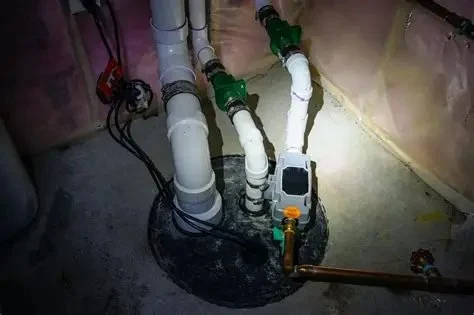
- 1-Understanding Sump Pump Failures
- 2-Common Causes of Sump Pump Failures
- 3-How to Prevent Sump Pump Failures
- 4-Steps to Take If Your Sump Pump Fails
- 5-Water Damage Cleanup and Restoration
1. Understanding Sump Pump Failures
Sump pumps are essential for preventing flooding in basements and crawl spaces by redirecting water away from your home. However, like any appliance, they can fail. A sump pump failure can lead to significant water damage, potentially compromising the structural integrity of your home.
When a sump pump fails, it often happens when you need it the most — during heavy rains or snowmelts. Understanding how to react and what steps to take can minimize damage and expedite the restoration process.
SERVPRO of Pompano Beach / servpro of santa maria
Pompano BeachBroward CountyFlorida
2101 NW 33rd St #200a, Pompano Beach, FL 33069, USA
2. Common Causes of Sump Pump Failures
Sump pump failures can be caused by several factors, some of which are preventable. Knowing the common causes can help you take proactive steps to avoid water damage in the future.

Wizard Restorations Inc / puroclean of san fernando
Rancho CucamongaSan Bernardino CountyCalifornia
10245 8th St, Rancho Cucamonga, CA 91730, USA
1. Power Outages
Power outages are one of the leading causes of sump pump failure, especially during storms. If your sump pump relies on electricity and the power goes out, it will be unable to pump water, leading to potential flooding.
2. Clogged or Frozen Discharge Pipe
If the discharge pipe, which carries the water away from your foundation, becomes clogged with debris or frozen during winter, it can cause the pump to back up. This restricts the pump’s ability to remove water efficiently.
3. Mechanical Failures
Sump pumps, like all mechanical devices, can fail over time. Common issues include a worn-out float switch, a faulty motor, or a damaged impeller. Regular maintenance can help catch these issues early.
4. Improper Installation
Improper installation of a sump pump can lead to malfunctions and failure. Ensure your sump pump is installed correctly with the right type of pump, discharge system, and location.
3. How to Prevent Sump Pump Failures
Preventing sump pump failure is key to avoiding water damage in your home. Here are some essential tips to keep your sump pump working effectively:
1. Regular Maintenance
Perform regular maintenance to keep your sump pump in top condition. Check the pump for clogs, clean the intake screen, and test the motor and float switch periodically to ensure they are working correctly.
2. Install a Backup Pump
Consider installing a battery-powered or water-powered backup sump pump. This ensures that if your primary pump fails or the power goes out, the backup pump will continue working, preventing water damage.
3. Clear the Discharge Pipe
Inspect and clean the discharge pipe regularly to prevent clogs. If you live in a cold climate, ensure that the pipe is insulated to avoid freezing during winter.
4. Check for Proper Installation
If you have a newly installed sump pump, ensure that it was installed according to the manufacturer’s instructions. Improper installation can cause issues that lead to pump failure.
4. Steps to Take If Your Sump Pump Fails
If your sump pump fails and you experience water intrusion, follow these steps to minimize damage and begin the restoration process:
1. Turn Off Power
If the sump pump failure is due to a power issue, turn off all electrical appliances in the affected area to avoid electrical hazards.
2. Remove Standing Water
If there’s standing water, remove it using a wet/dry vacuum, a submersible pump, or by mopping it up. The quicker you act, the less damage it will cause.
3. Call a Professional
If the water damage is extensive or the pump failure is due to mechanical issues, it’s best to contact a professional plumber or water damage restoration expert. They have the tools and expertise to address the issue effectively and safely.
4. Document the Damage
Before starting any cleanup, take photos and videos of the damage. This documentation will be essential for insurance claims and repairs.
5. Water Damage Cleanup and Restoration
Once the initial cleanup is done, it’s time to focus on restoring your home. Water damage can cause mold growth, wood rot, and structural damage, so it’s essential to act quickly.
1. Dry the Area
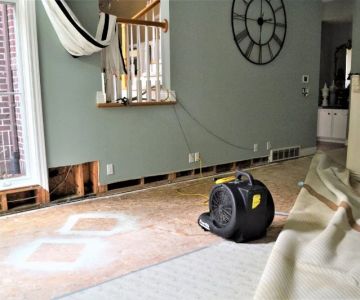
Use industrial fans and dehumidifiers to dry out the affected area. The longer the moisture lingers, the higher the risk of mold and mildew growth.
2. Repair Structural Damage
Once everything is dry, check for any structural damage, such as weakened beams or damaged drywall. Repair these areas promptly to prevent further issues.
3. Prevent Mold Growth
Consider applying antimicrobial treatments to prevent mold growth. If mold has already started to grow, it may be necessary to hire a professional mold remediation service.
Handling water damage from a sump pump failure can be overwhelming, but with the right steps and precautions, you can minimize damage and protect your home. For more tips and professional services, visit Reliable Damage Hub.
 Good Roads Water Damage Experts5.0 (1 reviews)
 R&R Foundation Specialist4.0 (305 reviews)
 MJ White4.0 (102 reviews)
 ATI Restoration3.0 (25 reviews)
 Modernistic4.0 (251 reviews)
 ServiceMaster Cleaning Services4.0 (27 reviews)
 Water Damage Restoration for Retail Spaces – Expert Tips and Real Cases
 How to Prevent and Repair Water Damage in Commercial Properties
 How to Protect Your Home’s Electrical System from Water Damage: Essential Tips
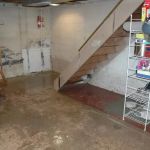 Flooded Basement? Here’s How to Restore It Safely
 How to Handle Water Damage After a Storm: A Step-by-Step Guide
 How to Handle Water Damage from Burst Pipes: A Step-by-Step Guide