
- Why Drying Out Your Home is Crucial
- Initial Steps After Water Damage
- Effective Methods for Drying Out Your Home
- How to Prevent Mold Growth
- When to Call a Professional for Water Damage
Why Drying Out Your Home is Crucial
Water damage can wreak havoc on your home, and one of the most important steps in repairing the damage is properly drying out your living space. If you don’t take immediate action, moisture can seep into walls, floors, and furniture, leading to further damage such as mold growth, warping, and structural issues. Understanding the importance of drying out your home after water damage can prevent costly repairs and health hazards in the future.
When your home is exposed to water damage, whether from a flood, burst pipe, or leaky roof, the clock starts ticking. The longer moisture sits in your home, the more difficult it becomes to remove, and the more likely you are to experience lasting damage. Taking quick and effective action to dry out your space will help you restore your home and avoid long-term consequences like mold and mildew.

Wizard Restorations Inc / puroclean of san fernando
Rancho CucamongaSan Bernardino CountyCalifornia
10245 8th St, Rancho Cucamonga, CA 91730, USA
Initial Steps After Water Damage
Once the water has subsided, it’s time to begin the drying process. Here are the first steps to take:

Kustom US Restoration / kustom restoration
1215 W Houston Ave Suite A, Gilbert, AZ 85233, USA
1. Ensure Safety First
Before you begin cleaning up, ensure your safety. Water damage can create hazards like exposed electrical wires or slippery floors. Turn off the electricity to prevent any accidents and wear waterproof gloves and boots to protect yourself from bacteria and contaminants in the water.
2. Assess the Damage
Take a moment to assess the extent of the water damage. Identify which areas of your home have been affected, including walls, floors, carpets, and furniture. If possible, take photos of the damage for insurance purposes. This will also help you decide which items need immediate drying and which can be salvaged later.
3. Remove Standing Water
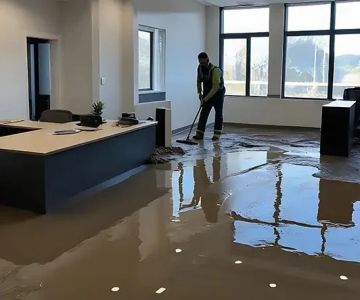
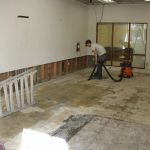
The first step in drying out your home is to remove any standing water. Use a wet/dry vacuum, sump pump, or mop to get rid of excess water. The sooner you remove standing water, the less likely it is to seep into structural materials and create more extensive damage.
Effective Methods for Drying Out Your Home
Once the initial steps are complete, it’s time to start drying out your home. There are several methods you can use to speed up the drying process:
1. Use Fans and Dehumidifiers
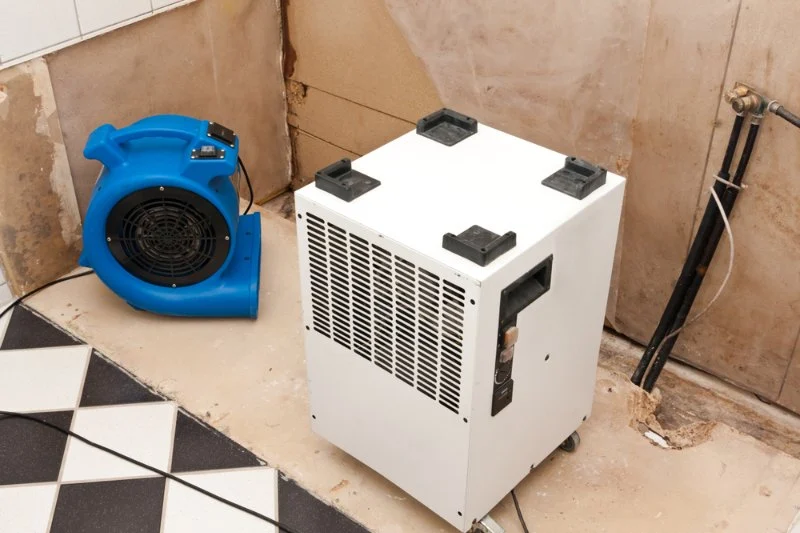
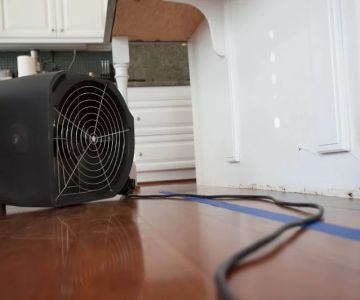
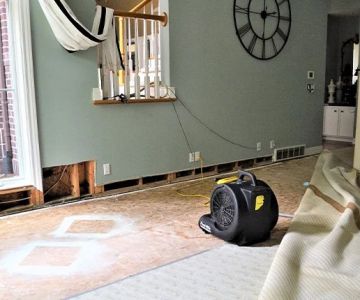
Fans and dehumidifiers are essential tools for drying out your home. Fans help circulate the air, while dehumidifiers remove excess moisture from the air. Position fans near the affected areas and keep them running until the space feels dry. You can also use a dehumidifier to remove moisture from the air, which will help prevent mold growth.
2. Open Windows and Doors
If the weather permits, open windows and doors to create natural airflow throughout your home. This can help moisture escape from walls and floors, speeding up the drying process. However, be mindful of the outside humidity level, as opening windows in a humid environment can sometimes make matters worse.
3. Dry Wet Furniture and Belongings
Remove wet furniture, rugs, and carpets from the affected area. If possible, elevate them to avoid further water absorption from the floor. Use fans and dehumidifiers to help dry out these items, but be prepared for them to take longer to dry completely. In some cases, professional cleaning services may be required for delicate items like upholstery or mattresses.
4. Check and Dry Walls and Floors
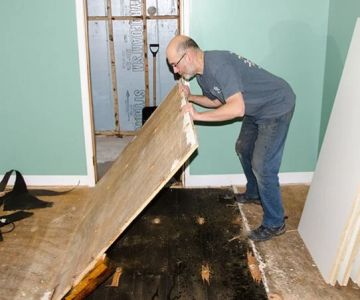
Moisture can quickly seep into drywall and wood flooring, which can lead to warping, staining, or mold growth. Use a moisture meter to check the levels of moisture in your walls and floors. If the walls are wet, drill small holes at the base to allow air circulation behind them. Wooden floors may need to be lifted to allow air to circulate underneath.
How to Prevent Mold Growth
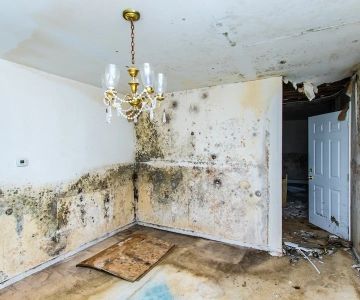
One of the biggest concerns after water damage is mold. Mold thrives in moist environments and can spread quickly if not dealt with properly. Here’s how you can prevent mold growth in your home:
1. Dry Out the Area Quickly
The faster you dry out your home, the less likely mold is to develop. Mold typically begins to grow 24 to 48 hours after water exposure. So, it’s important to begin the drying process as soon as possible after the water has been removed.
2. Use Mold-Resistant Products
When repairing and replacing materials like drywall or flooring, consider using mold-resistant products. These materials are specially designed to inhibit mold growth and can be particularly useful in areas prone to moisture, such as basements and bathrooms.
3. Monitor Humidity Levels
Use a hygrometer to monitor the humidity levels in your home. Ideally, indoor humidity should be between 30-50%. If the humidity level rises above this range, it can promote mold growth. Continue using dehumidifiers in the affected areas until the humidity levels return to normal.
When to Call a Professional
While some water damage issues can be handled DIY, there are times when it’s best to call a professional. Here are situations where professional help is necessary:
1. Extensive Water Damage
If your home has sustained significant water damage, such as from flooding or burst pipes, it may be more than what you can handle on your own. A professional water damage restoration company has the equipment and expertise to handle large-scale water damage and ensure your home is thoroughly dried and restored.
2. Persistent Mold Growth
If you notice mold growth despite your efforts to dry out the area, it’s time to call in a professional. Mold removal often requires specialized equipment and techniques to ensure it’s completely eliminated, preventing health risks associated with mold exposure.
3. Structural Concerns
If the water damage is severe enough to affect the structural integrity of your home, such as warped floors, weakened beams, or compromised foundations, it’s important to consult a contractor or structural engineer. They can assess the damage and make recommendations for necessary repairs to prevent future issues.
If you’re facing water damage in your home, visit Reliable Damage Hub for the best products and services to help with water damage restoration. Whether you need dehumidifiers, fans, or professional assistance, we can help you restore your home efficiently and safely.
 True Day Water Damage Restoration5.0 (21 reviews)
 NY Water Removal & Restoration5.0 (8 reviews)
 Peak Fire and Flood4.0 (23 reviews)
 ServiceMaster Water & Fire Restoration by J & S4.0 (12 reviews)
 Water Done Rite5.0 (6 reviews)
 PüR-AyR LLC (Indoor Air Restoration)5.0 (7 reviews)
 What Are the Key Signs of Water Damage in Your Home?
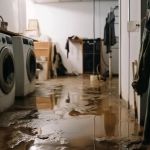 How to Protect Your Property From Water Damage While on Vacation
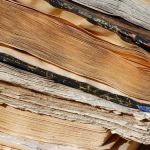 How to Restore Water-Damaged Books and Papers: Expert Tips
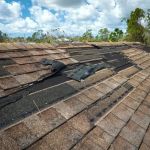 How to Handle Water Damage From Roof Flashing Failures
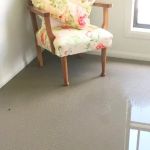 DIY Water Damage Repair: When to Tackle It Yourself and When to Call Professionals
 Water Damage Restoration Tips for Homeowners