
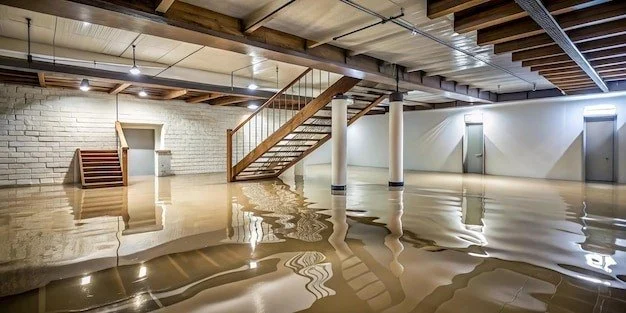
What to Do if Your Basement Floods: A Complete Guide
- 1. Assess the Situation
- 2. Stop the Water Source
- 3. Remove Water and Moisture
- 4. Check for Structural Damage
- 5. Prevent Future Flooding
1. Assess the Situation
The first thing you need to do is assess the severity of the flood. Take note of how much water is in the basement, whether it's rising, and how far it has spread. This will help you understand the extent of the damage and plan the next steps accordingly. Stay calm and avoid panicking, as this will allow you to think clearly.
2. Stop the Water Source
If possible, identify the source of the flooding. Is it caused by a broken pipe, heavy rainfall, or a sump pump failure? Turn off the water supply or any other systems contributing to the flooding. This is important to prevent the situation from worsening while you work on cleaning up the mess.
3. Remove Water and Moisture
Once you’ve stopped the water source, begin removing the water from the basement. You can use a wet/dry vacuum or a sump pump if you have one. It’s crucial to remove all standing water as quickly as possible to prevent long-term water damage to your flooring, walls, and any stored items. After the visible water is removed, ensure the area is well-ventilated to dry the remaining moisture.
4. Check for Structural Damage
After clearing the water, inspect your basement for structural damage. Look for cracks in the foundation, warped flooring, and damaged walls. If the water damage is significant, it’s important to consult a professional to evaluate the structural integrity of your home. Leaving these issues unchecked can lead to bigger problems down the line.
5. Prevent Future Flooding
To avoid a repeat of the flooding, take preventive measures. Consider installing a sump pump, adding proper drainage systems, and sealing any cracks or gaps in the foundation. Additionally, ensure that your gutters are clean and functional, as clogged gutters can direct water towards your foundation. Taking these steps can help protect your basement from future water damage.
Dealing with a flooded basement can be overwhelming, but by acting quickly and taking the right steps, you can minimize the damage and prevent it from happening again. If you need assistance with cleanup or repairs, don’t hesitate to contact a professional from Reliable Damage Hub for expert advice and services.

 Good Roads Water Damage Experts5.0 (1 reviews)
 R&R Foundation Specialist4.0 (305 reviews)
 MJ White4.0 (102 reviews)
 ATI Restoration3.0 (25 reviews)
 Modernistic4.0 (251 reviews)
 ServiceMaster Cleaning Services4.0 (27 reviews)
 Water Damage Restoration for Retail Spaces – Expert Tips and Real Cases
 How to Prevent and Repair Water Damage in Commercial Properties
 How to Protect Your Home’s Electrical System from Water Damage: Essential Tips
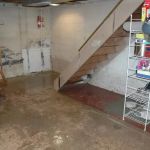 Flooded Basement? Here’s How to Restore It Safely
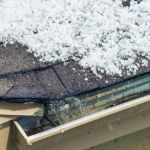 How to Handle Water Damage After a Storm: A Step-by-Step Guide
 How to Handle Water Damage from Burst Pipes: A Step-by-Step Guide