
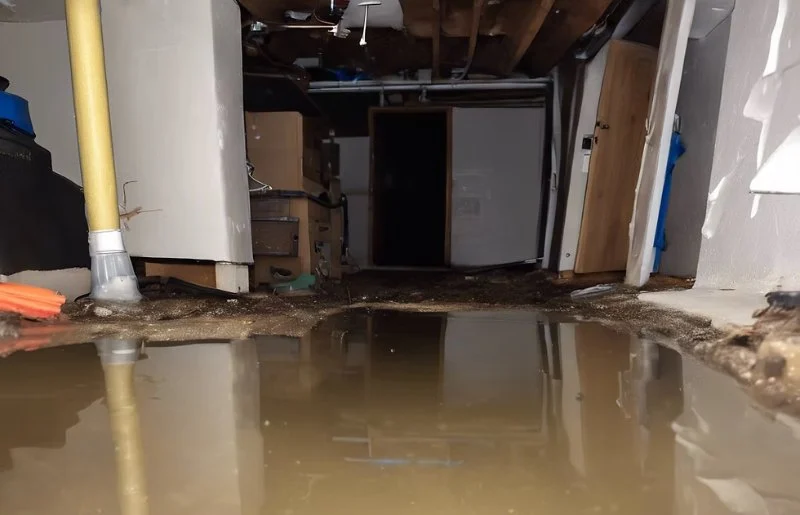
- Why Understanding Water Damage Is Crucial
- Common Causes of Water Damage in Homes
- How to Prevent Water Damage in Your Home
- When to Seek Professional Help
- Why Choose Reliable Damage Hub for Repair
Why Understanding Water Damage Is Crucial
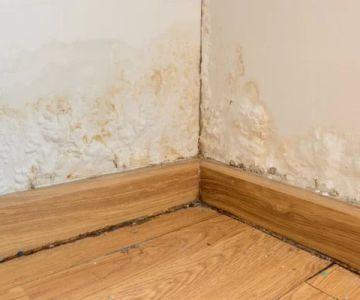
Water damage is one of the most common and costly issues homeowners face. Whether it’s caused by a burst pipe, a leaky roof, or an overflowing sink, water can quickly destroy your home’s structure, belongings, and overall integrity. Without proper prevention and care, water damage can lead to mold, mildew, and even the weakening of your home’s foundation, leading to expensive repairs and health concerns.
Understanding the common causes of water damage and knowing how to prevent them is essential for homeowners. By staying vigilant and taking the right precautions, you can minimize the risk and avoid major water damage problems. In this article, we will explore the main causes of water damage and provide practical tips on how to prevent it in your home.
SERVPRO of Pompano Beach / servpro fort lauderdale south
Pompano BeachBroward CountyFlorida
2101 NW 33rd St #200a, Pompano Beach, FL 33069, USA
Common Causes of Water Damage in Homes
Water damage can occur in various ways, often originating from both internal and external sources. Below are some of the most common causes of water damage in homes:

Kustom US Restoration / kustom restoration
1215 W Houston Ave Suite A, Gilbert, AZ 85233, USA
1. Leaking Roofs
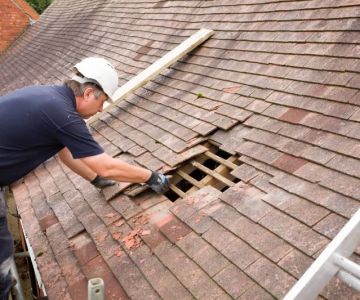
Your roof is the first line of defense against the elements, and even the smallest roof leak can result in significant water damage. Roof leaks often go unnoticed for a long time, especially if the leak is minor or confined to an isolated area. Water can seep into the attic, walls, and ceilings, leading to stains, wood rot, and mold growth.
To prevent roof leaks, make sure to regularly inspect your roof for damaged or missing shingles and keep your gutters clean to allow for proper water flow. After heavy storms, it’s a good idea to inspect the roof for any visible signs of damage.
2. Burst Pipes
Frozen or old pipes can burst, especially during cold weather, causing water to flood the area. This is a particularly common cause of water damage in basements and crawl spaces. Burst pipes can lead to serious flooding in the home, damaging floors, walls, and belongings.
To prevent burst pipes, ensure that your home is properly insulated, especially in colder regions. Pipes in attics, basements, and crawl spaces should be wrapped in insulation to protect them from freezing. Additionally, leaving faucets dripping slightly during extremely cold weather can help prevent pipes from freezing.
3. Clogged Gutters
Gutters are designed to channel rainwater away from your home, but when they become clogged with leaves, twigs, or debris, water can overflow. This can lead to water damage around your foundation, as the excess water may pool and seep into your basement or crawl space. Over time, clogged gutters can also cause rot and deterioration of your roof and siding.
Prevent clogged gutters by regularly cleaning them, especially during the fall when leaves are more likely to accumulate. Installing gutter guards can also help keep debris out and ensure proper water flow.
4. Faulty Appliances
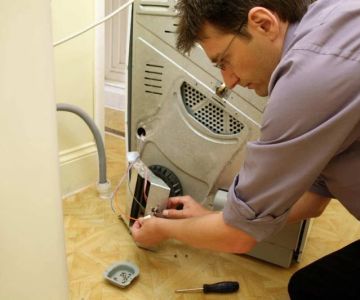
Appliances such as dishwashers, washing machines, and refrigerators with water dispensers or ice makers are often a source of water damage. Leaking hoses or malfunctioning parts in these appliances can cause water to leak onto the floor, damaging your floors and surrounding areas.
To prevent water damage from appliances, regularly inspect the hoses for cracks or leaks, and replace them as needed. Make sure your appliances are properly installed and serviced by a professional when necessary.
5. Poor Drainage
Improper drainage around your home can lead to water pooling around the foundation, which can eventually seep into the basement or crawl spaces. This can cause significant structural damage over time, as water erodes the foundation and causes cracks. Heavy rain or snowmelt is often to blame for poor drainage issues.
To prevent poor drainage, make sure that the ground slopes away from your home’s foundation. Ensure that downspouts are clear and direct water at least three to four feet away from your home. Installing a sump pump in your basement or crawl space can also help keep water levels in check.
6. High Humidity
Excess moisture in the air can lead to mold growth and water damage, especially in areas like bathrooms, kitchens, and basements. High humidity can cause condensation on windows, pipes, and walls, leading to water stains, mold, and mildew.
To control humidity levels, use dehumidifiers in damp areas and ensure that your home is properly ventilated. Regularly check for signs of mold, and address any moisture buildup immediately to prevent long-term damage.
How to Prevent Water Damage in Your Home
Preventing water damage is always more affordable and less stressful than dealing with the aftermath of a leak or flood. Here are some practical tips for preventing water damage in your home:
1. Perform Regular Inspections
Conduct regular inspections of your home’s roof, plumbing, gutters, and appliances to catch any signs of water damage early. Look for leaks, cracks, or wear and tear in materials that could lead to water infiltration. Regular checks will allow you to address minor issues before they escalate into bigger problems.
2. Maintain Your Home’s Exterior
Keep your gutters clean, ensure your foundation is sealed, and check for any cracks or damage to your home’s exterior. Regular maintenance of the exterior will help prevent water from entering your home and causing damage.
3. Install Water Detection Devices
Consider installing water leak detectors in high-risk areas, such as basements, bathrooms, or near appliances. These devices will alert you to any leaks or excessive moisture, allowing you to take action quickly before the damage spreads.
4. Invest in Proper Insulation
Insulating your home properly can prevent pipes from freezing in the winter and reduce the chances of moisture buildup in areas like the attic and basement. Proper insulation also helps regulate your home’s temperature and energy efficiency.
When to Seek Professional Help
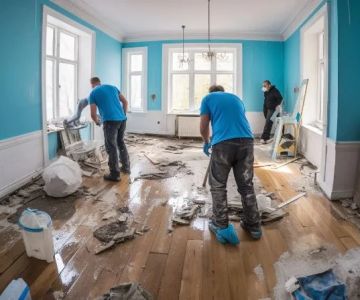
If you notice signs of significant water damage, it’s crucial to seek professional help immediately. A professional water damage restoration company can assess the extent of the damage, identify the source of the water intrusion, and implement effective solutions to prevent further issues. Early intervention can help prevent mold growth and extensive damage to your home’s structure.
Why Choose Reliable Damage Hub for Repair
If you’re dealing with water damage or need assistance in preventing future damage, Reliable Damage Hub is here to help. Our team of experts specializes in water damage restoration and prevention. From roof inspections to basement waterproofing, we provide comprehensive solutions to keep your home safe and dry.
Contact Reliable Damage Hub today for a consultation and let us help you protect your home from water damage with the best products and services available.
 Good Roads Water Damage Experts5.0 (1 reviews)
 R&R Foundation Specialist4.0 (305 reviews)
 MJ White4.0 (102 reviews)
 ATI Restoration3.0 (25 reviews)
 Modernistic4.0 (251 reviews)
 ServiceMaster Cleaning Services4.0 (27 reviews)
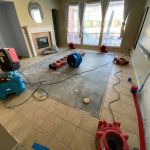 Water Damage Restoration for Retail Spaces – Expert Tips and Real Cases
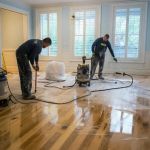 How to Prevent and Repair Water Damage in Commercial Properties
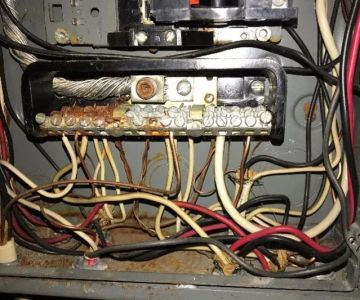
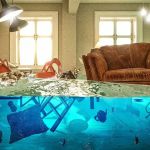 How to Protect Your Home’s Electrical System from Water Damage: Essential Tips
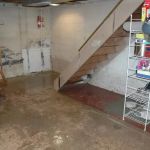 Flooded Basement? Here’s How to Restore It Safely
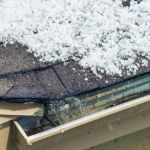 How to Handle Water Damage After a Storm: A Step-by-Step Guide
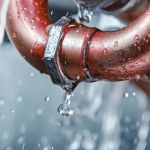 How to Handle Water Damage from Burst Pipes: A Step-by-Step Guide