
How to Prevent Water Damage from Affecting Your Furniture
- Understanding Water Damage
- Which Types of Furniture Are Most at Risk?
- Preventive Measures to Protect Your Furniture
- Real-Life Examples and Insights
Understanding Water Damage
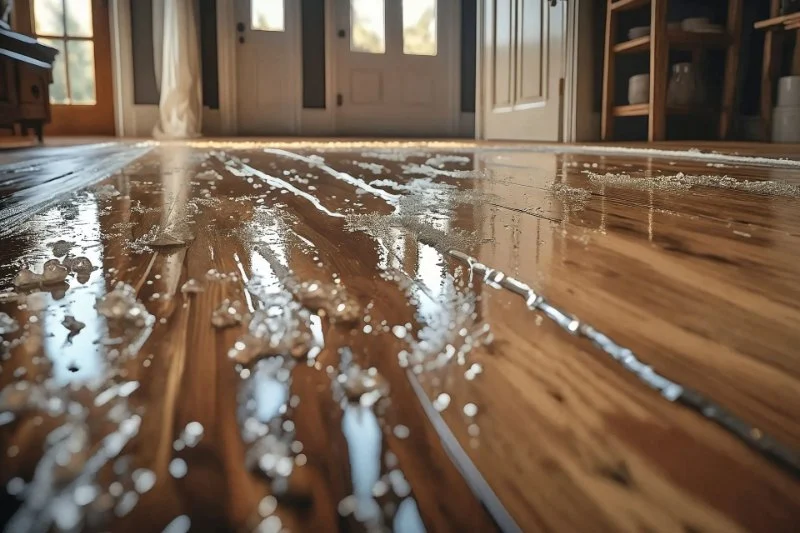
Water damage can be devastating to furniture, causing everything from swelling and warping to permanent staining. It often occurs during heavy rains, flooding, or plumbing failures. The damage varies depending on the type of water involved (clean, grey, or black water) and how long the furniture is exposed to moisture. It’s important to understand how water interacts with different materials in your home, as this will help in taking the right preventive steps to protect your valuable possessions.
SERVPRO of Pompano Beach / servpro fort lauderdale south
Pompano BeachBroward CountyFlorida
2101 NW 33rd St #200a, Pompano Beach, FL 33069, USA
Which Types of Furniture Are Most at Risk?
Not all furniture is equally vulnerable to water damage. Some materials are more resilient than others, while others absorb moisture quickly, causing significant damage. Here’s a breakdown of common furniture materials and how they’re affected by water:

Wizard Restorations Inc / puroclean of san fernando
Rancho CucamongaSan Bernardino CountyCalifornia
10245 8th St, Rancho Cucamonga, CA 91730, USA
1. Wooden Furniture
Wood is one of the most common materials used for furniture, but it’s also highly susceptible to water damage. Prolonged exposure to water can cause wood to swell, warp, or even crack. In extreme cases, wood can rot if the moisture remains for too long. Whether it’s a wooden dining table or a wardrobe, it’s essential to act fast if water comes into contact with these pieces.
2. Upholstered Furniture
Upholstered furniture, including sofas, chairs, and ottomans, can absorb water into the fabric and padding. If left untreated, this can lead to mold growth, mildew, and unpleasant odors. Furthermore, certain fabrics, like silk or velvet, are particularly vulnerable to water stains that can be difficult to remove.
3. Leather Furniture
Leather is durable but also sensitive to water. Prolonged exposure to moisture can cause leather to crack, stain, or lose its shine. It’s crucial to dry leather furniture quickly to prevent permanent damage and preserve its appearance.
4. Metal Furniture
Metal furniture is less prone to absorbing water, but it can still suffer from rusting or corrosion over time, especially if left exposed to moisture. This is particularly true for cheaper metals or furniture with poor protective coatings.
Preventive Measures to Protect Your Furniture
Taking proactive steps can help prevent water damage from affecting your furniture. Here are some key measures to protect your home and belongings:
1. Install Sump Pumps and Drainage Systems
If you live in an area prone to flooding or heavy rainfall, consider installing a sump pump and ensuring that your home has proper drainage systems. These systems help prevent water from entering your home in the first place, which can minimize the risk of water damage to furniture and other belongings.
2. Use Furniture Covers
Protect your furniture by using waterproof covers, especially for outdoor furniture. These covers can help shield your furniture from rain, snow, and humidity, extending its lifespan and reducing the likelihood of water damage.
3. Elevate Furniture During Flooding Risks
If you live in a flood-prone area, elevate furniture off the ground to protect it from rising waters. You can use furniture risers or place smaller pieces on blocks or pallets to keep them above the water level.
4. Regularly Inspect Pipes and Plumbing
One of the most common causes of water damage inside the home is plumbing issues. Regularly inspect your pipes, faucets, and appliances to ensure there are no leaks or potential risks. Early detection of plumbing issues can save you from dealing with costly water damage to your furniture.
5. Maintain Proper Ventilation and Humidity Levels
High humidity levels can lead to mold and mildew growth on furniture. Use dehumidifiers in areas that are prone to moisture build-up, such as basements or bathrooms. Keeping the indoor air dry will not only protect your furniture but also improve the overall air quality in your home.
6. Clean Up Water Immediately
If water spills or leaks inside your home, clean it up immediately. The quicker you can remove the water, the less time it has to cause damage. Use absorbent towels or a wet/dry vacuum to quickly mop up the water, and ensure the affected area is thoroughly dried using fans and dehumidifiers.
Real-Life Examples and Insights
Let’s take a look at some real-life cases where water damage to furniture was successfully prevented or mitigated:
Case Study 1: The Flooded Basement
In a suburban home, a basement flooded after a heavy rainstorm. The homeowners had already elevated their wooden furniture and placed their fabric couches on raised platforms. Despite the water infiltration, their furniture remained unharmed. The key was timely action—quickly raising furniture off the ground and sealing all entry points with waterproof barriers prevented major damage to their valuable pieces.
Case Study 2: The Leaky Pipe
Another homeowner faced water damage when a pipe burst under their kitchen sink. However, they had already installed a sump pump and kept their wooden dining table protected with a waterproof cover. Thanks to these preventive measures, their furniture was spared from the water damage that could have spread throughout the house.
By taking the right steps to protect your furniture from water damage, you can save yourself a lot of time, money, and stress. For more information on protecting your home and furniture, visit Reliable Damage Hub for expert products, services, and advice.
 Good Roads Water Damage Experts5.0 (1 reviews)
 R&R Foundation Specialist4.0 (305 reviews)
 MJ White4.0 (102 reviews)
 ATI Restoration3.0 (25 reviews)
 Modernistic4.0 (251 reviews)
 ServiceMaster Cleaning Services4.0 (27 reviews)
 Water Damage Restoration for Retail Spaces – Expert Tips and Real Cases
 How to Prevent and Repair Water Damage in Commercial Properties
 How to Protect Your Home’s Electrical System from Water Damage: Essential Tips
 Flooded Basement? Here’s How to Restore It Safely
 How to Handle Water Damage After a Storm: A Step-by-Step Guide
 How to Handle Water Damage from Burst Pipes: A Step-by-Step Guide