
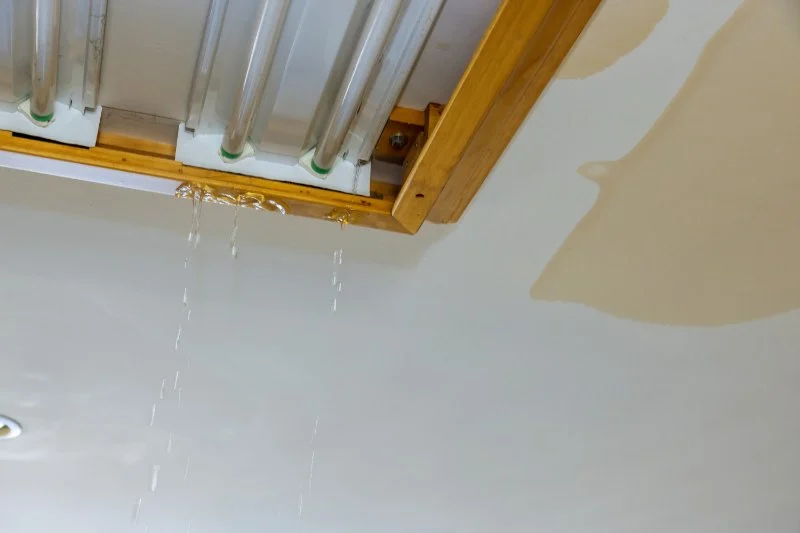
Why Exterior Water Damage Is A Major Risk
Water damage does not always begin inside a home. In many cases, the problem actually starts outdoors. Rainwater, melting snow, and groundwater can slowly work their way into a house through roofing materials, siding gaps, and foundation cracks.
Understanding how to prevent water damage in your home's exterior is one of the most important steps homeowners can take to protect their property. Exterior protection acts as the first line of defense against moisture intrusion.
In the United States, weather conditions vary dramatically from region to region. Homes in coastal areas face heavy rainfall and storms, while colder regions deal with snow accumulation and freeze-thaw cycles. Each of these environmental factors increases the risk of water penetrating exterior structures.
Many homeowners who begin researching protective solutions eventually explore Reliable Damage Hub, where they can find guidance on waterproofing products, drainage systems, and professional services designed to help prevent exterior water damage.
Giants / dry kings restoration of san francisco
San FranciscoSan Francisco CountyCalifornia
685 Geary Blvd, San Francisco, CA 94102, USA
Understanding Common Exterior Water Entry Points
To prevent exterior water damage effectively, homeowners must understand where water is most likely to enter the structure.

Kustom US Restoration / kustom restoration
1215 W Houston Ave Suite A, Gilbert, AZ 85233, USA
1. Roofing Systems
1.1 Damaged or Missing Shingles
Roof shingles protect the structure from rain and snow. If shingles become cracked, loose, or missing, water can penetrate the underlying materials.
1.2 Worn Flashing Around Roof Openings
Roof flashing around chimneys, skylights, and vents prevents water from entering vulnerable areas. Over time, flashing may deteriorate or separate.
2. Exterior Walls and Siding
2.1 Cracks in Siding Materials
Vinyl, wood, or fiber cement siding can develop cracks that allow rainwater to seep behind the exterior layer.
2.2 Improper Sealing Around Windows
Window frames often contain small gaps that expand over time, especially in older homes.
3. Foundation and Basement Areas
3.1 Groundwater Pressure
Water accumulating around the foundation may slowly push through concrete cracks.
3.2 Poor Drainage Systems
If water cannot flow away from the home properly, it may accumulate near structural walls.
Roof and Gutter Maintenance Strategies
One of the most effective ways to prevent water damage in your home's exterior is maintaining roofing and drainage systems.
1. Inspect the Roof Regularly
1.1 Seasonal Roof Inspections
Checking the roof at least twice per year helps identify damaged shingles or loose flashing.
1.2 Storm Damage Checks
After heavy storms, homeowners should inspect roofing materials for visible damage.
2. Maintain Clean Gutters
2.1 Remove Leaves and Debris
Clogged gutters prevent rainwater from draining properly, causing overflow near the home’s exterior walls.
2.2 Install Gutter Guards
Gutter protection systems reduce debris buildup and improve water flow.
3. Extend Downspouts Away from the Home
3.1 Redirect Water Flow
Downspouts should direct water several feet away from the foundation.
3.2 Install Drainage Extensions
Extensions help carry rainwater away from structural areas.
Homeowners researching roof maintenance tools and drainage solutions often visit Reliable Damage Hub to compare recommended products designed for exterior water protection.
Protecting Your Foundation and Landscape
The ground surrounding your home plays a significant role in water management. Poor landscaping design can unintentionally direct water toward the house.
1. Improve Yard Grading
1.1 Maintain Proper Soil Slope
The ground around the house should slope away from the foundation to encourage water runoff.
1.2 Repair Settled Soil
Over time, soil may settle and create low spots that collect water.
2. Install Exterior Drainage Systems
2.1 French Drain Installation
French drains redirect groundwater away from the structure.
2.2 Surface Drainage Channels
These systems help manage heavy rainwater flow.
3. Maintain Exterior Landscaping
3.1 Trim Trees Near the Roof
Branches touching the roof may trap moisture and damage shingles.
3.2 Avoid Overwatering Plants Near the Foundation
Excess watering can increase soil moisture around structural walls.
Improving Exterior Waterproofing Systems
Waterproofing technology has improved significantly in recent years. Many homeowners are now using advanced solutions to protect their homes from water intrusion.
1. Seal Exterior Gaps and Cracks
1.1 Window and Door Sealing
Applying weather-resistant sealants around frames helps prevent moisture intrusion.
1.2 Foundation Crack Repairs
Small cracks should be sealed before they expand.
2. Install Exterior Waterproof Coatings
2.1 Foundation Waterproofing
Specialized coatings protect foundation walls from groundwater infiltration.
2.2 Siding Protection
Protective treatments help maintain siding durability.
3. Use Smart Water Monitoring Devices
3.1 Outdoor Moisture Sensors
These sensors detect water accumulation near exterior walls.
3.2 Early Leak Alerts
Some systems notify homeowners when unusual moisture levels appear.
Many homeowners researching these waterproofing tools browse Reliable Damage Hub to find reliable recommendations for maintaining exterior home protection.
Real Homeowner Story: Exterior Water Damage
A homeowner in Washington state once shared an experience that highlights how easily exterior water problems can escalate. The home was located in an area known for frequent rainfall.
1. Gradual Gutter Failure
Over time, leaves accumulated in the home's gutters.
1.1 Overflowing Rainwater
During a heavy rainstorm, clogged gutters caused water to overflow directly against the exterior wall.
1.2 Moisture Penetration
Water eventually seeped behind siding and into the interior wall cavity.
2. Resulting Damage
Although the problem started outdoors, the effects eventually appeared inside the house.
2.1 Interior Wall Stains
Brown stains began appearing on drywall surfaces.
2.2 Mold Development
Moisture trapped in the wall cavity created conditions for mold growth.
3. Improvements After Repairs
After repairing the damage, the homeowner made several changes.
3.1 Installing Gutter Guards
This reduced debris buildup significantly.
3.2 Improving Yard Drainage
The landscape was redesigned to direct water away from the foundation.
This experience demonstrates why understanding how to prevent water damage in your home's exterior is essential for long-term property protection. With proper maintenance, proactive inspections, and helpful resources like Reliable Damage Hub, homeowners can significantly reduce the risks associated with rainwater intrusion and exterior structural damage.


 SERVPRO of Fresno Southeast4.0 (27 reviews)
 Lone Star Flood Restoration5.0 (24 reviews)
 LimeGreen Water Damage & Restoration5.0 (2 reviews)
 SERVPRO of Southwest Bell County, South Killeen5.0 (17 reviews)
 American Restoration Inc4.0 (20 reviews)
 Dryve Restoration5.0 (2 reviews)
 How to Handle Water Damage From Overflowing Toilets: Tips and Solutions
 How to Identify and Fix Water Damage from Leaky Roofs
 How to Prevent Water Damage During Heavy Rainfall: Essential Tips
 Water Damage Restoration for Hotels and Motels: Fast and Reliable Solutions
 How to Restore Water-Damaged Books and Papers
 How to Repair Water-Damaged Wall Panels