
- 1-Common Causes of HVAC Water Damage
- 2-Signs That Your HVAC System Has Water Damage
- 3-Step-by-Step Guide to Fixing HVAC Water Damage
- 4-Preventive Measures and Maintenance Tips
- 5-Real-Life Examples and Professional Insights
1. Common Causes of HVAC Water Damage
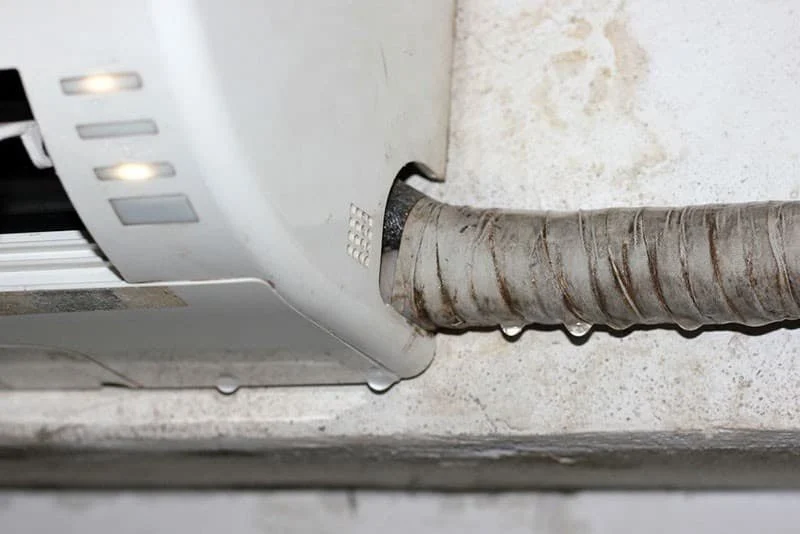
Water damage in HVAC systems is a prevalent issue in many homes. Understanding the root causes can help homeowners prevent costly repairs. One of the most common causes is a clogged condensate drain line. As moisture accumulates in the drain pan, it may overflow, seeping into surrounding areas.
Another frequent culprit is a dirty air filter. Restricted airflow forces the evaporator coil to freeze and then thaw, causing excess water to drip into the system. Leaky ductwork and poorly sealed connections can also allow condensation to form inside the ducts, leading to mold growth and structural damage over time.
At Reliable Damage Hub, experts often highlight that improper installation or aged components, such as cracked drain pans or corroded pipes, significantly increase the risk of water intrusion in HVAC units.
Drip Restoration / valleywide restoration mesa az
932 S Stapley Dr, Mesa, AZ 85204, USA
2. Signs That Your HVAC System Has Water Damage
Early detection is critical. Homeowners should watch for several warning signs:
1. Visible Water Leaks: Puddles or moisture near the HVAC unit are an immediate indicator of a problem.
2. Musty Odors: Persistent damp or moldy smells may indicate hidden water accumulation in ducts or insulation.
3. Reduced Efficiency: If your HVAC system struggles to maintain temperature, water damage may be affecting airflow or the mechanical components.
4. Corrosion and Rust: Check metal parts, including coils and drain pans, for rust. Corrosion can indicate prolonged exposure to water and moisture.
Spotting these signs early allows for timely repairs, minimizing damage to your HVAC system and home interior.

Wizard Restorations Inc / puroclean of san fernando
Rancho CucamongaSan Bernardino CountyCalifornia
10245 8th St, Rancho Cucamonga, CA 91730, USA
3. Step-by-Step Guide to Fixing HVAC Water Damage
Addressing water damage requires both care and precision. Follow these steps for effective repairs:
1. Turn Off the System: Safety first. Shut down your HVAC unit to prevent electrical hazards.
2. Inspect the Drain Pan and Line: Remove blockages in the condensate drain line. Clean or replace the drain pan if it is cracked or corroded.
3. Check and Replace Air Filters: A clean filter ensures proper airflow, reducing the risk of future coil freezing.
4. Dry Damp Areas Thoroughly: Use fans, dehumidifiers, or absorbent towels to remove residual moisture. Ensuring all components are dry prevents mold growth.
5. Repair or Seal Ducts: Inspect ducts for leaks and seal any gaps with HVAC-approved tape or mastic. This prevents condensation from forming within the ductwork.
6. Test the System: Once repairs are complete, turn the system back on and monitor for any signs of recurring leaks or inefficiency. Performing a thorough test ensures long-term reliability.
Reliable Damage Hub provides step-by-step guidance and recommended tools to help homeowners complete these repairs safely and effectively.
4. Preventive Measures and Maintenance Tips
Preventing water damage is always better than fixing it. Key tips include:
1. Regular Filter Replacement: Replace or clean air filters every 1–3 months depending on usage.
2. Routine Drain Line Maintenance: Flush condensate lines with a mild bleach solution to prevent clogs and bacterial buildup.
3. Scheduled HVAC Inspections: Annual professional inspections can detect potential leaks, worn-out parts, and early signs of water damage.
4. Proper Humidity Control: Use a dehumidifier if your home has high humidity. Excess moisture increases the risk of HVAC-related water damage.
Implementing these preventive measures extends the life of your HVAC system and reduces repair costs.
5. Real-Life Examples and Professional Insights
1. Case Study – Suburban Home: A homeowner in Atlanta noticed water pooling near their furnace. Inspection revealed a clogged condensate line and minor mold growth in the ductwork. After cleaning the drain line, replacing the filter, and sealing ducts, the system operated efficiently again, preventing more extensive structural damage.
2. Expert Advice: HVAC technicians at Reliable Damage Hub emphasize addressing even minor leaks immediately. Ignoring small water issues often leads to corrosion, mold growth, and expensive repairs.
3. User Tip: Homeowners should maintain a log of HVAC maintenance activities, including filter changes and drain cleanings. This record helps track potential problem areas and provides insights for professional technicians during inspections.
For detailed guides, tools, and professional recommendations, Reliable Damage Hub is a trusted resource for protecting your home from HVAC water damage.
 Restoration Builders4.0 (61 reviews)
 Mission Top Restoration4.0 (17 reviews)
 Kramer Restoration4.0 (30 reviews)
 A.S.A.P. Restoration Corp.4.0 (93 reviews)
 All Dry Services of Orlando5.0 (39 reviews)
 Invictus Remediation5.0 (9 reviews)
 How to Deal With Water Damage From Roof Ice Dams: Prevention and Repair Tips
 How to Dry Out Water-Damaged Rugs Quickly: Expert Guide
 Best Practices for Preventing Water Damage in Your Home: Tips for Homeowners
 Water Damage Repair for Ceiling Tiles | How to Fix Water-Damaged Ceiling Tiles
 The Link Between Water Damage and Long-Term Structural Issues
 How to Dry Out Water-Damaged Wooden Floors | Step-by-Step Guide