
- - Importance of Electrical System Safety During Water Damage Repairs
- - Steps to Take Before Attempting Electrical Repairs
- - Tools and Equipment Needed for Safe Electrical Repairs
- - Detailed Process for Repairing Water-Damaged Electrical Systems
- - Safety Tips and Common Mistakes to Avoid
- - Conclusion and Recommendations
1. Importance of Electrical System Safety During Water Damage Repairs
Water damage is a common issue faced by homeowners, particularly after severe storms or floods. When water infiltrates electrical systems, it poses a significant risk of short circuits, electrical fires, and personal injury. As a result, addressing water-damaged electrical systems safely is crucial. Repairing electrical systems without taking proper precautions can cause further damage or worse, lead to injury.
This guide will walk you through the necessary steps to safely repair water-damaged electrical systems. Whether you’re a seasoned DIYer or a homeowner looking to prevent dangerous electrical malfunctions, these tips will help you handle the situation with care and precision.

Kustom US Restoration / kustom restoration
1215 W Houston Ave Suite A, Gilbert, AZ 85233, USA
2. Steps to Take Before Attempting Electrical Repairs
Before diving into the repair process, it's essential to take certain precautions to ensure the safety of everyone involved. Here’s what you need to do before starting the repair work:
Giants / dry kings restoration of san francisco
San FranciscoSan Francisco CountyCalifornia
685 Geary Blvd, San Francisco, CA 94102, USA
2.1 Turn Off the Power Supply
The first and most important step is to shut off the power supply to the affected area. Water and electricity do not mix, so turning off the power will prevent any risk of electric shock while you work. Locate the main electrical panel and turn off the circuit breaker for the affected area. If you are unsure, turn off the main power supply to the entire house to be safe.
2.2 Assess the Damage
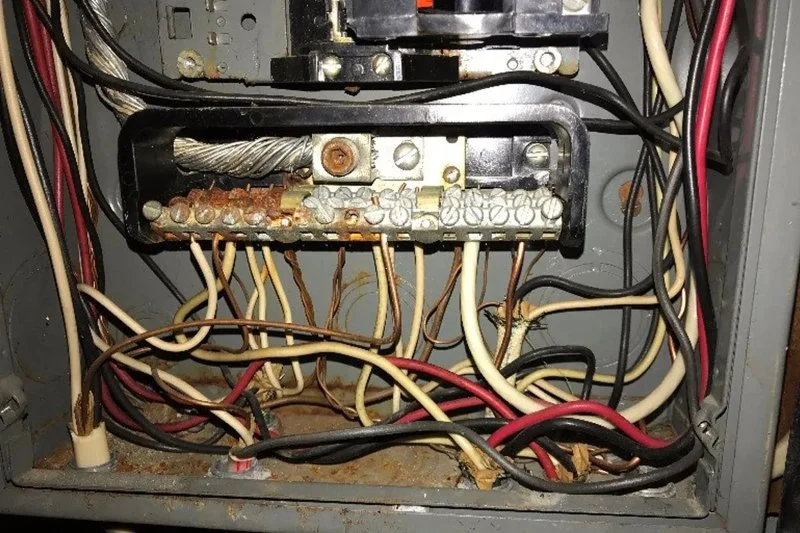
Before attempting any repairs, inspect the damage carefully. Look for visible signs of corrosion, exposed wires, or water intrusion in outlets, switches, and electrical panels. If the electrical system has been significantly damaged, it may be better to call a professional electrician for help rather than attempting repairs yourself.
2.3 Dry the Area
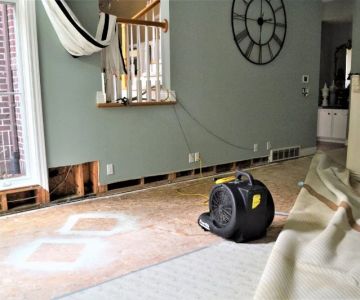
Ensure the area is completely dry before proceeding with any electrical work. Moisture can cause shorts even if the power is off. Use fans or dehumidifiers to help dry out the space, and give it time to air out before beginning the repair process.
3. Tools and Equipment Needed for Safe Electrical Repairs
Having the proper tools for the job ensures that the repair process is carried out safely and efficiently. Here are the essential tools and equipment you’ll need:
3.1 Insulated Hand Tools
When working with electrical systems, it’s important to use tools with insulated handles to reduce the risk of electric shock. These tools are specifically designed to protect you from live wires, even if the power is off.
3.2 Voltage Tester
A voltage tester is a crucial tool for confirming that electrical circuits are not live before beginning any repairs. Even if the power is turned off at the circuit breaker, a voltage tester can help verify that no electricity is flowing through the damaged areas.
3.3 Electrical Tape and Connectors
For securing wires and making safe connections, you'll need high-quality electrical tape and wire connectors. These help ensure that wires are properly insulated and that there are no exposed conductors that could pose a safety hazard.
4. Detailed Process for Repairing Water-Damaged Electrical Systems
Once you've completed the safety preparations and gathered your tools, you can begin the repair process. Here’s a step-by-step breakdown of the repair process:
4.1 Inspect and Replace Damaged Components
If water has damaged any electrical components, such as outlets, light switches, or junction boxes, they will need to be replaced. Start by removing any damaged parts and replacing them with new, water-resistant versions. Be sure to follow proper installation instructions for each component to ensure they are securely fitted.
4.2 Check Wiring for Corrosion
Examine the wiring in the affected areas for signs of corrosion or wear. If the wiring is severely corroded or brittle, it must be replaced. You may need to cut and strip the damaged wire ends and replace them with new wire, making sure to secure the connections with appropriate connectors.
4.3 Restore the Power Supply
Once you’ve replaced any damaged components and repaired the wiring, it’s time to restore the power supply. Start by turning the circuit breaker back on and testing the repaired electrical system. Use a voltage tester to ensure that all connections are functioning properly and that there are no issues with the new components.
5. Safety Tips and Common Mistakes to Avoid
While repairing water-damaged electrical systems, it’s crucial to stay vigilant and follow safety protocols. Here are some tips to keep in mind:
5.1 Never Work with Wet Hands
Working with electricity while your hands are wet can increase the risk of electrical shock. Always ensure your hands are dry and that you are wearing rubber-soled shoes when working around electrical systems.
5.2 Avoid Using Water-Damaged Tools
If any of your electrical tools were exposed to water during the incident, do not use them until they’ve been thoroughly checked and dried. Using water-damaged tools can compromise your safety.
5.3 Consult a Professional When Necessary
If at any point the damage seems too extensive or you are unsure about your ability to safely complete the repairs, do not hesitate to call a professional electrician. Electrical work can be dangerous, and hiring a professional can help ensure the job is done right and safely.
6. Conclusion and Recommendations
Repairing water-damaged electrical systems is a critical task that requires attention to detail and adherence to safety protocols. By following the steps outlined in this guide, you can effectively restore your electrical system without putting yourself or your home at risk. Remember, if the damage is extensive, don’t hesitate to reach out to a professional for help.
For more information and expert advice on home repairs and safety, visit Reliable Damage Hub today!
 Good Roads Water Damage Experts5.0 (1 reviews)
 R&R Foundation Specialist4.0 (305 reviews)
 MJ White4.0 (102 reviews)
 ATI Restoration3.0 (25 reviews)
 Modernistic4.0 (251 reviews)
 ServiceMaster Cleaning Services4.0 (27 reviews)
 Water Damage Restoration for Retail Spaces – Expert Tips and Real Cases
 How to Prevent and Repair Water Damage in Commercial Properties
 How to Protect Your Home’s Electrical System from Water Damage: Essential Tips
 Flooded Basement? Here’s How to Restore It Safely
 How to Handle Water Damage After a Storm: A Step-by-Step Guide
 How to Handle Water Damage from Burst Pipes: A Step-by-Step Guide